How to make wild camping safe, responsible, and most importantly, enjoyable!
Wild camping is an experience like no other, ranging from ecstatic joy to abject misery. Here I share my top tips on how to make wild camping as enjoyable and comfortable as possible, based on my own experiences, which contain their fair share of both joy and misery! Oddly enough, it’s often the miserable experiences that stick out in your memory and teach you the most – and make the best moments worth it.
Wild camping refers to camping in a remote area, away from a campsite or any modern facilities like showers, toilets or shops. In Scotland, the Land Reform Act of 2003 allows the public the ‘right to roam’ on most unenclosed land, which means that you can camp more or less anywhere you like, as long as you behave responsibly and don’t pitch up in someone’s back garden. In England and Wales, the rules are more restrictive, and wild camping is technically illegal apart from in Dartmoor National Park, unless you seek permission from the landowner in advance. However, many people still camp in remote areas without causing any problems, which is usually fine provided you follow the wild camping code of conduct (see this useful post for advice on responsible camping).
Below I’ve put together a list of twelve essential items for wild camping in Britain, along with my recommendations for particular brands, with the requirements of a multi-day backpacking expedition in mind. I’ve also considered the weather conditions unique to our damp but beautiful island, which provide particular challenges when it comes to keeping dry. Of course I am by no means an expert, and the tips below are my personal opinions rather than solid fact – but I hope you find them useful, whether you’re new to wild camping or a seasoned veteran. I’d love to hear your own thoughts and opinions, so please share them in the comments section!
The illustrating photos were mostly taken by my wonderful sister and depict our not-so-wild garden as opposed to a genuine wild camp. We may be in lockdown and unable to actually go wild camping right now, but what better way to spend a sunny Easter weekend than to go pretend-camping in the garden?
1. Tent
Of course, this goes without saying as an essential bit of kit. Tents vary enormously in size, shape, and price, so it’s worth doing your research thoroughly before buying one. I have always used my Dad’s old Terra Nova 2-man tent, which is about 30 years old and not quite as waterproof as it used to be, but has served me well through many adventures. Terra Nova still makes an almost identical tent; the design has changed very little, but the new materials are much lighter.
A compact 2-man tent, the Terra Nova Trisar 2 has just enough space for two people and their gear to fit inside quite snugly, which also makes it very cosy as it doesn’t take long for body heat to warm up the interior. It has a porch at one end, which is spacious enough to store boots, food, and cooking equipment. Easily accessible interior pockets at each side enable storage of important items like headtorch, map and toothbrush, while a third pocket at the back is handy for stowing the empty covers for tent, sleeping bag and mat. The only minor issue with this tent is that the inner is erected first – although this means it is very quick to put up, it can also be problematic if you’re setting up camp in the rain, as it’s difficult to keep the inner dry before putting the waterproof outer layer on. This problem can be mitigated by making sure that both people know the tent well in advance, and work together to pitch efficiently.
2. Sleeping bag
Again, an obvious one – although having a decent sleeping bag that is appropriate to the conditions you’re in can make or break an expedition. A bad experience with a too-thin sleeping bag can put some people off for life!
Keeping the weight down for backpacking expeditions is important, but what is even more important is warmth. It’s worth checking the comfort rating of your sleeping bag, and erring on the safe side. My lightweight summer bag is comfort-rated down to 4 degrees Celsius, but even in summer this can be a bit on the nippy side, particularly when camping at higher altitudes – I once spent an uncomfortably cold night in August just below the summit of Scafell Pike. Therefore, it’s worth having a decent 3-season sleeping bag that will do the job for most of the year. However, for serious winter camping, a proper winter sleeping bag is a must. In cold conditions, I opt for another piece of my Dad’s old gear – a voluminous down sleeping bag which was designed to keep him warm in -40 degrees Celsius conditions in Antarctica. Probably a bit overkill for the Scottish Highlands, but it is unbelievably cosy.
My sister keeping cosy in a summer Vango sleeping bag
As well as a good sleeping bag, keeping warm at night is made vastly easier by eating a decent hot meal in the evening. My Dad passed me this pearl of wisdom after spending 2 years working in Antarctica: a full belly means a warm night, as it fuels your body to keep producing heat through the night. Scrimp on food, and you’ll spend the night shivering. Wearing more layers, particularly a hat, also helps.
A note on sleeping bag materials: down sleeping bags are gorgeously warm and incredibly lightweight, but tend to lose their insulating capacity as soon as they get wet. They’re great for cold, dry Alpine conditions – but in the UK, keeping your bag bone-dry is often impossible. Although slightly heavier for the same level of warmth, synthetic sleeping bags stay warm even when wet, with the added bonus of being significantly cheaper, which is worth bearing in mind when choosing a new sleeping bag.
3. Sleeping mat
The main point of a sleeping mat is not to provide a comfy mattress, but to act as an insulating layer between you and the cold ground – although having a mat that is also comfortable makes a massive difference! From my experience, the best of both worlds is provided by an inflatable mat, such as Sea to Summit’s ultralight range. In contrast to the classic foam rolls or self-inflating mats, which are heavy, bulky and far from comfortable, these little mats roll up into a tube the size of a 1 litre water bottle and weigh next to nothing, which makes a huge difference on multi-day trips when you’re carrying a heavy load.
Despite its tiny size when rolled up, after a few seconds of puffing you suddenly have a beautifully springy, air-filled mattress that is both warm and comfortable. Although they are on the pricey side, this is something I would highly recommend investing in, as it will provide you with countless comfortable nights in wild places for years to come. My mat was one of the first bits of outdoor gear I saved up for and bought myself, and I have never looked back.
4. Camp shoes
So Crocs may not be the trendiest footwear. Whenever I wear them around the kitchen at university, it seems to cause my stylish housemate intense physical pain. However, they are the perfect shoes for wearing in camp. A trusty pair of Crocs feels like a blessed relief when you take off your boots after a long day of walking, and they’re easy to slip on and off for mooching around camp in the evening, or popping out of the tent for the loo in the middle of the night. They have the added advantage of being lightweight, waterproof, and more or less indestructible. These properties mean that they are invaluable for crossing boggy ground to reach a loo-spot far away from the tents, as you can get them soaked without doing any harm and they will dry off immediately.
They can also be extremely useful for river crossings, particularly in remote parts of the Scottish Highlands where wading across burns during an expedition can be inevitable. Popping on a sturdy pair of waterproof footwear for the crossing will protect your boots from getting drenched and your feet from being pulverised. They can even be tied onto the outside of your rucksack for easy access, by hooking a carabiner or even just a piece of string through the holes.
It doesn’t have to be Crocs – a pair of sliders or even flipflops will do the same job. My last pair of camp shoes was a £0.99 pair of flipflops from Primark, which finally packed up during a trip to Norway last summer after three years of hard wear. I’ve been devoted to my Crocs ever since – fashion crime or not.
5. Stove and fuel
Opinions differ on what type of stove to go for. People tend to fall into one of three camps: the traditional Trangia, the simple Jetboil, or the classic gas burner. I personally prefer the latter, due to its versatility, reliability and ease of use.
My stove and set of pans, purchased under expenses for a Geography field trip, are from the budget yet high-quality brand Alpkit, and are some of my most beloved bits of kit. The efficient gas burner heats up water extraordinarily fast, while the set of pans stack neatly inside each other with handles that fold away to fit the sides of the pan and create a compact set. The entire apparatus is quick to set up and compact enough to use inside the tent porch (with great care, of course) – a big bonus during foul or midgy weather, or if you just fancy a cuppa before getting out of bed.
To light the stove, I use a firesteel rather than matches. This nifty bit of kit will last much longer than a box of matches, as well as being more compact, and unlike matches it doesn’t matter if it gets damp (which is quite likely to happen, at any time of year). Most importantly though, the feeling of striking the flint and instantly setting the gas burner ablaze feels very satisfying, unleashing a bit of inner Bear Grylls.
6. Bowl, cup and spork
A camping staple that can be purchased very cheaply from most outdoor shops, a shallow plastic bowl can be stacked neatly with your stove and is perfect for serving anything from porridge to pasta. A simple tin mug is also great for hot drinks to keep away the chill during cold nights in the outdoors. I enjoy making Cup a Soup in my mug as a starter while waiting for the main course to cook, and of course cups of tea at every opportunity. A penknife is always a useful tool, for chopping ingredients and opening cans.
Finally, the brilliant invention of the spork covers every culinary need, including stirring, chopping, serving and eating. Plastic sporks are great and come in a wide range of bright colours so you’re less likely to lose it by dropping it in the grass. However, I’ve found they easily snap while digging peanut butter out of a jar – peanut butter becomes surprisingly solid at low temperatures, and I have sadly lost two sporks that way. I now have an indestructible titanium spork, which is a bit fancier but is also peanut-butter-proof.
7. Trowel and loo roll
Perhaps not the most glamorous bit of gear, but a dynamic duo that is absolutely essential for any wild camper – especially if you plan to be out for a few days. Lightweight plastic trowels are fairly cheap to get hold of and can be easily slipped into a side pocket of your rucksack – mine was kindly given to me by a friend on my Mountain Leader Training course. Loo roll can be flattened and transported inside a waterproof plastic bag, near the top of your rucksack for easy access.
In general, it is best to avoid leaving bodily waste behind if at all possible, particularly the solid type. However, when out camping in remote areas, it is often inevitable that at some point you will need to empty your bowels. The best way to go about this is to pick a spot at least 100 metres away from any body of water and from where you have pitched your tent. Ideally, this should be downstream of where you are collecting water at your campsite. Once you’ve found the perfect spot, you should use the trowel to dig as deep a hole as you can. Once you’ve done your business in the hole, bury it thoroughly. Used toilet paper should NOT be buried, but placed in a bin bag and carried out with you to be disposed of when you’re back in civilisation. Which brings me to the next item on the list …
8. Plastic bin liners
The humble plastic bag is a crucial bit of kit for any expedition. They are incredibly versatile and come in use for the most surprising purposes. Of course they are important for storing all your rubbish until you can get rid of it in a bin, but they are also perfect for:
Stuffing a wet tent into after a rainy night, to stop it from soaking the rest of your gear
Protecting your boots from getting damp in the porch overnight
Separating clean clothes from filthy ones that need a wash
Keeping food organised and in one place – I often separate my food into two bags: one for dinner or breakfast food that needs cooking, and one for snacks and lunches to be eaten during the day
Protecting your gear if (heaven forbid) your tent leaks. This happened to my friend’s tent once while camping on Skye – we came back to the tent after a long day on the hill to find our mats swimming in puddles of water. It was an unpleasant night, but it would have been a lot more unpleasant if we hadn’t protected our sleeping bags inside bin liners beforehand.
9. Drybags
A more sophistocated step-up from the plastic bag, drybags are great for keeping dry anything that absolutely cannot get wet. For example, a down sleeping bag should be kept in a drybag when not in use, as should any electrical equipment like your phone, GPS unit, and charging wire. I usually store my spare clothes in a medium-sized drybag (shown here in blue), which helps to keep them neatly compacted and also forms a great pillow in the tent. Having a few drybags in different sizes is therefore very useful, although if the worst comes to the worst a plastic bag will do the same job.
10. Travel towel and soap
This is probably my Desert Island luxury item – while not strictly speaking essential, washing can make a huge difference to your enjoyment of a long multi-day trek, and your companions’ noses will probably thank you for it. Taking a dip in a stream or lake near your campsite is perhaps one of the most exhilarating aspects of wild camping. The feeling of emerging, clean and fresh, from crystal cold mountain water is indescribable.
Travel towels are compact, lightweight, and quick-drying, – and will help you to dry off quickly after a dip, to avoid getting chilled. A bar of soap, kept in a light plastic container, is a very useful item to have with you even if you’re not planning to bathe. It can be used for cleaning cooking and eating utensils (it’s worth bringing a small scourer for this purpose too) and even washing clothes if you’re lucky enough to have a dry evening to hang them up afterwards. Wet clothes can be draped from the tent guy lines, or alternatively tied to the outside of your rucksack the next day to dry off while you’re walking.
A word of caution: as wonderful as wild swimming can be, take care not to stay in for too long. Particularly if you don’t have much body fat, it is easy to get mild hypothermia without realising. I learned my lesson the hard way after swimming and washing my hair in Glen Affric in March, when the river was full of snow-melt. I ended up spending the next hour huddled shivering in my sleeping bag, while my boyfriend poured hot tea down me and fed me bread and honey until my face was no longer blue. He himself had once got hypothermia after sitting in a river in Ennerdale for half an hour on a hot August afternoon – so watch out! Once your skin stops burning and starts to feel numb, it’s probably time to get out.
11. Head torch
Winter nights in Britain can be long and dark, but even in the summer it’s important to have a good headtorch. It will help you to find things in the tent when light levels are low, and is particularly useful when fumbling for the tent zip in the dark if you need the loo during the night. When confined to your tent during the dark hours, a headtorch can also help to alleviate boredom by enabling reading or card games. Remember to bring plenty of spare batteries.
12. Reading book
Perhaps this counts as a second luxury item … but I couldn’t imagine going camping without bringing something to read. Depending on how long and ambitious your days of walking are, there can often be lots of time spent relaxing in camp in the evenings.
Whether snuggled up in your sleeping bag or sprawled in sunlit heather outside, there is nothing quite like the feeling of settling down with a good book, with nothing but the whistle of wind and the burble of water to disturb you.
So that’s my top twelve wild camping items. Of course there are many other bits and pieces that are important to have with you on a backpacking expedition, but most of those fall into the category of general hillwalking gear rather than camping-specific items. Over the years, with many pitfalls along the way, I’ve built up my kit list to the point where I have a camping system that works for me – although this by no means will be the right way for everyone. Each person has their own preferences and ways of doing things, and the only way to figure out what works for you is to go out and have experiences yourself (hopefully joyful rather than miserable!)
No matter how you go about it, there is nothing quite like the magic of waking up and unzipping the tent to the view of a mountain sunrise glinting on tumbling water. Hopefully these tips have given you some ideas for your next wild camping expedition, wherever or whenever that may be. It could even be tomorrow, in your back garden!
We stood looking out at the North Atlantic, with nothing but waves and rushing air between us and the North Pole. The ground dropped precipitously away from our feet, plunging several hundred feet into surging water that drifted in and out of view between wreaths of mist. There was no sound but the soft roar of the ocean and the eerie calls of seabirds that swooped and dived like small dragons around the mighty cliffs.
We had reached the end of the Cape Wrath Trail. 230 miles and 3 weeks of hard labour lay behind us, and now we had run out of land, right at the north-western edge of the British mainland. I hadn’t been sure what I would feel upon reaching the end of this daunting trek – relief? Exhaustion? Instead, I felt overcome with awe, and to my surprise, a sense of real sadness that the journey was over.
It certainly wasn’t always this way. The Trail had proved to be an emotional rollercoaster for both Chris and I, as well as an extreme physical challenge. We had traversed endless miles of pathless terrain, mountain passes and midge-ridden bogs, carrying up to 20kg on our backs and walking an average of 19km per day. There had been moments where we were close to giving up. Standing at last on the Cape, I felt immensely thankful that we hadn’t.
The following is the story of how Chris and I got ourselves from Fort William to Cape Wrath, and how the journey changed us both along the way.
Stage 1
Fort William to Shiel Bridge
Our journey began on a drizzly Saturday afternoon in Fort William. After a frantic sprint along the harbour front to catch the last ferry, we clambered on board a rusted red boat which chugged out across the loch towards our starting point on the far side. This was the point of no return: a large body of choppy water now lay between us and our car. With no alternative but to start walking, we took our first steps on the Trail.
The first few days were, in a word, brutal. Unused to the weight on our shoulders and hips and the strain it placed on bones and joints, we quickly discovered that a large part of the challenge was learning to put up with almost constant pain. To make matters worse, on our very first night we were ambushed by swarms of midges which blizzarded into the tent through a small rip in the door we hadn’t previously known about. For those who have never encountered the Scottish midge, I can only describe them as a form of torture that I would not wish on my worst enemy.
Making up for these physical discomforts, however, was the stunning scenery that surrounded us from day one. Our route curved gradually northwards through the lush green folds of Glen Cona, climbing up and over a pass before dropping into Glenfinnan – home to the famous viaduct that features in the Harry Potter films. It was here, at the end of a gruelling 27km day, that we arrived at our first bothy – the only bothy in Scotland that has electricity, its tweed-clad caretaker proudly informed us.
Glen ConaThe Glenfinnan viaductCorryhully, the ‘electric bothy’
The July heatwave hit on our second day as we climbed another pass out of Glen Finnan and dropped into neighbouring Glen Dessary. Although the weather was beautiful, the heat made progress extremely hard-going. Before long we were each getting through 4 litres of water per day. The sunshine also brought hordes of ‘clegs’ – aggressive biting horseflies which leave furiously itchy welts the size of satsumas.
We quickly settled into a routine: start each day by slathering our skin with a disgusting mixture of suncream and insect repellent; walk for an hour; rest, eat and drink; repeat. By the end of each day we were so sticky and overheated that our first priority was to jump into the nearest body of water, be it loch, river or sea, to cool off. Our bottle of biodegradable ‘Wilderness Wash’ came into its own for scrubbing the sweat and grease from our skin, and washing the day’s socks and underwear so that it could dry off hanging from our packs the next day. After that, all remaining energy was devoted to cooking and devouring dinner, washing up in the nearest stream, and relaxing for a while before going to bed.
Bothies soon became our best friend. These simple stone shelters, once remote farmsteads or gamekeepers’ cottages, are scattered across Scotland’s hills and islands. Many are now maintained by the Mountain Bothy Association and are freely accessible to all, as long as visitors use them respectfully. Not only were the bothies cooler and more spacious than our tent, which turned into a mini greenhouse in the hot sun, but they provided a sacred refuge from the teeming hordes of midges that appeared each evening as soon as the sun dipped below the horizon.
Luckily, the first stage of the Trail allowed us to stay in a bothy nearly every night. After Glenfinnan, we reached A’Chuil– a beautiful bothy overlooking Glen Dessary, where we encounted five shirtless Scots from Aberdeen and their dog, Hector, who took an extreme dislike to Chris despite the Aberdonians’ assurances that ‘he’s very friendly, really!’ Hector’s vicious snarls suggested otherwise.
The following evening brought us to Sourlies bothy, magnificently located at the head of Loch Nevis, a long sealoch framed by towering mountains. Here we met a pair of young men from London who were also attempting the Cape Wrath Trail, albeit covering twice as much distance and consuming less than half as many calories as us each day. Unsurprisingly, they seemed even more knackered than we were. There was also an older couple from Lochaber who were old hands at bothying; after producing a seafood feast complete with glasses of red wine, they lit a roaring fire of dried seaweed around which all six of us gathered, talking long into the night and enjoying the chance connection with other humans in this wild and lonely place.
Evening campfire, Sourlies bothy
The next day dawned even hotter than the last. Leaving Sourlies and Loch Nevis behind, we headed inland, into what is aptly named ‘the Rough Bounds of Knoydart’. It soon became apparent why this is the case. Up until this point our route had been blessed with some form of path. However, heading into the depths of the Knoydart peninsula, we soon found ourselves stumbling through tussock, bog and boulder, while the sun beat down relentlessly overhead. It was in this rough wilderness that we first brought out the first aid kit, after Chris slashed his knee on a sharp tree stump. A little further on, the end of Chris’s walking pole became detached and vanished inexplicably into a bog. After spending twenty minutes digging up the bog with our toilet trowel, we were forced to admit defeat and soldier on.
Resting in a rare spot of shadeThe Rough Bounds of KnoydartThe moment Chris’s walking pole gave up
It was something of a relief, after a long and sweaty ascent, to climb over a pass and drop down into the next fjord-like glen as evening descended. Isolated from roads, the small settlement at Barisdale lies at the edge of another winding sea loch, Loch Hourn, and is serviced only by boat. After dropping our bags at the ‘bothy’, which miraculously had a real flush toilet, we set off for a cooling dip in the sea. The tide was low, leaving a vast expanse of seaweed and saltmarsh to cross before reaching the water’s edge. It was a perfect Highland summer evening: the air was still and the sea like a mirror as the sun sank into the horizon, flooding the bay with golden light. We waded towards the sunset through silken water that never reached higher than our knees; every shell on the seabed was crystal clear, as if looking through glass. Finally we stopped, and stood bathed in light, until dusk crept over the land.
In that moment, every moment of pain and toil felt as if it had been worth it.
Sunset at Barisdale
After a midgy night, we continued our journey, heading inland along the banks of Loch Hourn, which extends its long arm all the way to a small settlement at Kinloch Hourn – the first contact with a road in several days. En route, we met a kindly gentleman who provided us with some much-needed sustenance in the form of wine gums, and offered for us to leave our bag of rubbish under his car for him to take away when he returned. Upon reaching Kinloch Hourn, we identified his car (an unmistakeable champagne-coloured Jaguar) and deposited our rubbish, before rounding the end of the loch at last and ascending into the hills on the northern side. Feeling strong, we pushed on until we reached a tiny stalker’s hut on the banks of a shallow river high up in the Glen Shiel hills. As we had originally planned to camp at Kinloch Hourn, we were feeling smug, congratulating ourselves on biting off a chunk of tomorrow’s work despite the intense heat. So smug, in fact, that we cheerily decided that we could manage a detour from the main route in order to bag a Munro summit* tomorrow.
That night, however, we barely slept. The midges were vicious, somehow infiltrating our refuge in the the stalker’s hut. The tent was the only escape, thanks to a coil of incense burning at the entrance, but it was so hot inside that we poured with sweat even while lying still. To make matters worse, we had unwittingly pitched it on a slope, so that most of the night was spent dragging ourselves upright against the force of gravity. Tired and groggy, we set off up the Munro the next morning on what must have been the hottest day yet. By the time we reached the summit of Sgurr na Sgine at midday, we had already used up most of our water and energy for the day. After a back-breaking descent down a near-vertical boulder field, we reached a high pass between two mountains and wearily ate lunch. Watching an energetic young couple skip up the peak we’d just descended, agile as gazelles with only light daypacks on their backs, I couldn’t help but question why we were doing this to ourselves.
* Munro summit – a peak in Scotland that is higher than 3,000 ft above sea level.
Summit of Sgurr na SgineThe Stalker’s Hut above Kinloch Hourn
Onwards, however, was the only option. After what seemed like an endless march, we finally reached civilisation at the Glen Shiel caravan site at 7pm, where happy holidaymakers were enjoying an evening dip in the river and drinking wine. Filthy, exhausted, and footsore, we decided to set aside our pride and order a taxi to the Air BnB we’d booked for the night. None were available, however, leaving us with no choice but to make the 4.5-mile trek along the road. By the time we finally arrived 1.5 hours later, I was nearly delirious from heat and exhaustion. Due to the lack of facilities in Glen Shiel, we’d posted a package to the BnB containing all our food for the next five days, but to our dismay, it hadn’t arrived. Having eventually determined that it had in fact been delivered to the BnB next door, we cooked up a batch of pasta on our camping stove on the bedroom floor. After enjoying possibly the most blissful shower I’ve ever had in my life and brief calls to our families to inform them we were still alive, we collapsed in bed, utterly spent.
Stage 2
Shiel Bridge to Ullapool
The next morning we awoke refreshed after a glorious night’s sleep, able to appreciate for the first time that we were already one third of the way through the trek. We devoured a delicious cooked breakfast prepared by our host, Adrian, who generously gave us a lift back along the road to the starting point of the next stage. The day’s route took us through searing heat to the Falls of Glomach (one of several waterfalls we encountered along the way which claimed to be the highest in Scotland) and up onto a high, boggy plateau that I can only describe as midge hell. Due to a relatively late start and long day, with 27km of distance and 900m of ascent, we didn’t reach the sanctuary of Maol Buidhe bothy until 9pm, by which point we were in a frenzy to escape the clouds of midges. The lone hillwalker who was already there tucked up in bed must have got quite a fright when we piled through the door with the desperation of those escaping from a burning building.
In the light of morning, however, with the midges gone to wherever they disappear to during the day, Maol Buidhe was a different world. Once home to a succession of gamekeeper families, and complete with its own ‘ceilidh hall’, it nestled peacefully amongst rippling emerald grasses, disturbed only by the cry of the curlew. As it was such a beautiful day, and the planned route relatively gentle, we decided to take some time out to clean up and refresh ourselves. A succession of late night arrivals had left us drained and short of clean clothes, due to a lack of time and energy to keep up with the laundry. After a taxing scramble through pathless bog, we reached a deserted loch where we spent a happy couple of hours washing ourselves and our clothes with gleeful abandon.
Descending from the Falls of GlomachRelaxing at Maol BuidheThe loch where we did our laundry
No sooner had we finished washing than a voice interrupted our peaceful sunbathing. Much to our surprise, a young woman appeared over the horizon, carrying a pack just as big and heavy as ours. It turned out that she had lost her phone in the bog, which unfortunately contained her debit card, her train tickets, and her GPS route. Did she have a map, we enquired? Yes, but she’d cut half of it off in order to save weight, and did not have the section covering the area we were in. (Chris and I were somewhat puzzled by her weight-saving priorities, as she’d chosen to carry a bag of carrots, brocolli, and aubergines as her main source of nutrition). Given that she had no means of communication and a mere £12.53 in cash, we decided to take her with us to Strathcarron, our destination for the day, which happened to have a hotel and a train station.
Our new friend seemed unperturbed by the situation she’d found herself in and cheerfully joined us for the rest of the day’s walk, telling us all about her passion as a yoga teacher and reiki healer. Chris and I were bemused, though deeply impressed, by her unfalteringly positive attitude, even when we were all getting exhausted and midge-bitten towards the end of the day. We were also baffled by her ability to keep going on nothing more than carrots and seeds, whilst we needed to shovel in vast quantities of peanut butter and flapjack just to keep ourselves upright. Finally descending into Strathcarron on a golden evening, the three of us managed to get last orders from Strathcarron Hotel and enjoyed a delicious meal while chatting to the assorted clientele. After paying for her meal, camping fee, and train tickets back to Inverness the next morning, we swapped contact details with our yoga friend and agreed to keep in touch. By the time we woke up in the campsite next morning, she’d gone, leaving a packet of oats, dried blueberries, and a feather outside our tent as a parting gift.
By this point, the unrelenting physical strain of the Trail was starting to take its toll. Chris had developed a muscular pain in his left shin, while I was concerned that I was developing stress fractures in my feet given the level of pain they were in. After seeking reassurance from Chris’s mother, a GP, we ploughed onwards, leaving Strathcarron and civilisation behind. Thankfully, a break in the weather was on its way at last, and the intense heat seemed to relent a little as we made our way up a glen towards the hallowed peaks of Torridon. I had heard so much about Beinn Eighe, Beinn Alligin, and Liathach that the famous summits had taken on an almost mythical status in my mind. However, nothing prepared me for the soaring drama of the vista that greeted us at the top of the pass. Gazing out towards the sweeping escarpments and jagged ridgelines of Torridon, I almost laughed out loud with joy.
Walking towards the Torridon hills
That night we stayed in the Ling Hut, a well-equipped bunkhouse that seemed palatial compared to the cramped quarters of our tent. By the following morning, the weather had definitely broken; the blue skies we’d become accustomed to were hidden in swirling grey cloud and the air was much cooler. It was a blessed relief to walk without being caked in suncream and insect repellent, as the cloudier weather had caused the clegs to disappear. Not only that, but the cooler climate had lent us a fresh burst of energy. Liberated from heatstroke and dehydration, we practically bounded up the foothills of Beinn Eighe, making a quicker pace than we’d managed on the entire Trail so far. By lunchtime we’d reached Lochan Coire Mhic Fhearchair, a beautiful lochan nestled in the bowl of the mountain, where I went for a spontaneous dip in its icy silver waters.
Wild swimming in Lochan Coire Mhic Fhearchair
Having learned from our past mistakes, we resisted the temptation to finish climbing the magnificent mountain, and instead contoured around its flanks as recommended by the Cape Wrath Trail guidebook. However, this turned out to be extremely slow, tough work, scrambling over peat hags, boulders and huge glacial drumlins while using our poles to balance. Six miles of back-breaking work lay between us and the footpath that would take us down to the village of Kinlochewe, and to make matters worse, the building heat over the past ten days had finally collapsed – into a thunderstorm. With frightening suddenness, the weather closed in around us. As we struggled desperately towards the pass beyond which we knew Kinlochewe lay, a wall of mist began to roll up the glen behind us, accompanied by ominous rolls of thunder that grew louder by the minute. For four hours, we barely stopped to rest, but pushed relentlessly onwards, driven by primordial fear.
The pass leading to KinlocheweNavigating the pathless bogCrossing the pathless bog
By the time we rounded the final spur of Beinn Eighe and reached easier ground in the form of a footpath, we were both frazzled and exhausted. The thunder had thankfully abated, but it was soon replaced by a torrential downpour. Tired and soggy, we trudged down to Kinlochewe, which soon turned out to be the unfriendliest village in Scotland. The hotel greeted us with a sign telling us that due to coronavirus restrictions, those without reservations must call reception. Standing in the pouring rain, we duly phoned reception, whilst the receptionist watched us suspiciously through the window and promptly told us that the hotel was full. The local bunkhouse was the same, leaving the campsite as our only option. It turned out to be more of a caravan park, with one tiny patch of grass reserved for tents. As only one person was allowed in reception at a time, I waited outside while Chris negotiated with the irritable man at the desk, who tried to tell us that the campsite was full until his wife corrected him. Grudgingly, he allowed us to stay, while snapping at his wife not to bother showing us around. She, however, seemed to take pity on us, and showed us where we could pitch our tent as well as the shower block and drying room. As the rain had not abated and the midges were coming out in their billions, we spent the evening taking refuge in the drying room with the site’s only other tent occupants, a couple from Cheshire who were cycling the North Coast 500.
Chris’s shin pain, forgotten about in our haste to escape the thunderstorm, had developed to the point where he was unsure if he would be able to continue on the Trail. However, after a recommendation from the female cyclist to apply ice (in the absence of ice, we applied a hydration bladder full of cold water), the pain miraculously cleared up. Unfortunately, the same could not be said of the rain, which continued all night and well into the following morning. Luckily the drying room had been our saviour, and all of our gear apart from the tent was beautifully crisp and dry. Just as the rain eased off mid-morning, we headed out into a landscape that was almost unrecognisable, altered drastically by 18 hours of continuous rain. Gone were the cracked bogs, sun-baked trails and dried-out riverbeds. Instead, we were surrounded by dripping vegetation and roaring water, with all the burns in full spate.
Flooded river near KinlochewePausing for a rest, Fisherfield Wilderness
At least dehydration was no longer a concern, although we did finally start to encounter some of the challenging river crossings for which the Trail is notorious. It wasn’t long before both of us had soggy feet as we left the well-paved stalker’s paths near Kinlochewe and ascended into the legendary Fisherfield Wilderness, home to Scotland’s remotest Munros. Plenty of now-familiar pathless bog welcomed us into the vast landscape as we roamed over pass and glen, alone except for a vast Hercules aircraft that roared up the Strath na Sealga, its wingtips almost touching the steep sides of the glen.
Weariness weighed heavily on us as we marched the final few miles to the famous Shenavall bothy, nestled at the foot of the mighty An Teallach, where my father first fell in love with Scottish hillwalking at the age of 16. The mountains themselves were hidden in wreaths of mist, but their looming presence was almost tangible as we pushed through dripping bracken to refill water in the surging burn near the bothy. As darkness fell, two headtorches appeared through the gloom and we were joined by a pair of hillwalkers who chatted to us while we devoured our freeze-dried dinners. They were planning to tackle the Fisherfield Horseshoe the next day, using Shenavall as a base in order to access the remote peaks. Bidding them goodnight, we hung up our soggy gear on the various nails and hooks dotted around the bothy before curling up to sleep.
The next day dawned just as damp and misty as the last; our hillwalking friends had long since departed into the mountains on their quest to conquer the Fisherfield Munros. It seemed to take us a long time to pack up and get ready, but eventually we set off into the rain once more, in boots that were still saturated from the day before. It had been nearly a week since our last civilisation break at Shiel Bridge, and we’d been walking continuously for nearly 11 days. Fatigue was starting to set in as we skirted the flanks of An Teallach and pushed wearily on towards Ullapool and the end of Stage 2.
Chris’s face sums up the general mood as we neared Ullapool, the two-thirds mark on the Trail
Finally, after crossing a seemingly endless boggy plateau, we found ourselves at the top of a steep slope, looking down at Loch Broom as it carved its way inland. Out west towards the open ocean, the town of Ullapool nestled on the sea loch’s northern shore, while directly below us, the loch petered out into salt marsh and lush, fertile farmland, around which were clustered the hamlets of Inverlael and Letters. Somewhere down there, we knew, was shelter, warmth, and food. Gazing out across the achingly familiar landscape, a place I’d returned to again and again as a child, and the place we’d set off from to begin the Cape Wrath Trail, it felt almost like a homecoming; as if we’d already come full circle.
After a joint-shuddering descent, we finally staggered to the front door of Clachan Farmhouse BnB, where we were warmly greeted by Marie, our host for the night. It turned out that due to her home’s location right on the Trail, she was quite used to dealing with exhausted, wet walkers. Much to our embarrassment and eternal gratitude, she offered us newspaper to stuff inside our filthy, bog-saturated boots, put all of our stinking clothes straight into the washing machine, and whipped up a hearty meal of fish and chips. Gloriously clean after our showers and digesting the delicious meal in Marie’s cosy sitting room, we gazed out at the rain beyond the window and wondered if perhaps the time had come to call it a day.
We’d given it our best shot, and to have made it as far as Ullapool felt like an achievement in itself. We’d already covered at least 150 miles, most of it during a heatwave, and Ullapool was a natural break in the Trail, with good public transport links to Inverness and home. But if we pushed on into the remote country beyond Ullapool, there would be limited opportunities to bail out. We were uncomfortably aware that the heavy rain over the last few days would allow the midges, held back by the uncharacteristic dry spell, to come out in full flush. Another 9 days of walking lay between us and the Cape, including some of the remotest terrain on the Trail, and with bothies few and far between, we’d have little respite from the midges and the weather. Not to mention the fact that I was often in crippling pain, with both my feet and my shoulder causing near-constant discomfort. Surely, we thought, it would be better to recognise when enough was enough, and come back to finish what we’d started another time, rather than driving on regardless into more misery.
Nearing our wit’s end: the final descent to Inverlael at the end of Stage 2
Refreshed and clad in freshly laundered clothes, we were picked up from Marie’s BnB the following morning by my parents’ old friends Johnny and Bex, who had retired to Letters a few years ago. Our decision to plan a rest day in Letters proved extremely fortuitous, as we soaked up endless cups of tea in Johnny and Bex’s kitchen and roared with laughter over our various exploits thus far. Johnny took us across Loch Broom to Ullapool in his boat, which proved a bumpy but highly enjoyable trip, allowing us to stock up on essential supplies such as more Wilderness Wash, anti-midge incense coils, and water purification tablets (just in case we changed our minds). Somehow, despite our sensible musings the night before, we knew deep down that it wasn’t over yet.
The rest of the day was spent researching ways to make the rest of the trip more manageable, including booking another hotel towards the end of the Trail, and ringing up numerous confused employees at the Ministry of Defence to check whether we could cross the military training range at Cape Wrath without getting blown up. We also split in two the vast 9-day food parcel we’d posted to Marie’s house, with Johnny kindly offering to drive half of it to a hotel located halfway through the final stage. This meant that the weight we’d be carrying for the next few days would be massively reduced.
By the evening, Chris and I were fully resolved: we were going to carry on. We had come so far already; so much time, effort, and money had gone into planning the trip, and it meant a great deal to both of us, in different ways. For me, it had been a life goal for years, and to give up now would mean admitting defeat, confirming the creeping self-doubts that had niggled in my mind during the dark days of the pandemic. I wanted to believe that I could do this; to prove that I was still capable of adventure, of physical challenge, of making plans and seeing them through to the end. We’d come too far to turn back now.
Stage 3
Ullapool to Cape Wrath
The rest day with Johnny and Bex proved to be the saving grace of the whole expedition. The brief respite from the Trail had given us the chance to rest, reflect, and renew our motivations for taking on the challenge. Emerging bright-eyed and bushy-tailed after a good night’s sleep and a hearty breakfast with our friends, we set off from where Johnny dropped us off in Ullapool with renewed determination to make it all the way to the Cape.
Compared to the endless steep ascents and descents of Stages 1 and 2, the first few days of Stage 3 were a walk in the park, crossing gently undulating moorland to Oykel Bridge before following the lush green banks of the River Oykel all the way to its source. Cooler temperatures, easier terrain and shorter planned days meant that we made rapid progress, with plenty of time to relax and revive in the evenings, while cool, breezy weather meant that the midges were mercifully absent (most of the time). On the first day, I realised that tying my boots less tightly meant that my feet were able to expand over the course of the day, drastically reducing the pain they were in. Why I didn’t think of this two weeks earlier, no one will ever know.
The first evening brought us to Knockdamph bothy, where we enjoyed a bracing dip in the nearby loch and spent the evening reading several years’ worth of mildewed Mountain Bothy Association newsletters. This was to distract us from the herd of cows that had surrounded the bothy and appeared to be attempting to knock it down, judging by the loud thuds and scraping sounds that surrounded us on all sides. Luckily they’d dispersed by the morning, allowing us to carry on to Oykel Bridge in peace.
An unexpected visitor at Knockdamph Bothy
The route to Oykel Bridge involved the first (and last) river crossing that necessitated swapping walking boots for our trusty Crocs in order to wade across. Pressing on past the small hamlet of Oykel Bridge, we camped in a meadow on the banks of the River Oykel, which is known as one of the best salmon fishing rivers in Scotland. Sure enough, we saw several salmon leaping out of the peat-dark water mere feet away while we washed up in the shallows. The next morning, we spoke to a well-to-do elderly couple who were out for a spot of fishing and informed us that Prince Charles had been staying at the lodge across the river just yesterday.
Boots away, Crocs outReady for the river crossingCamping beside the River Oykel
Sure enough, as we made our way further up the beautiful river, we encountered many more well-off country folk, all driving pristine Land Rovers along the rough 4×4 track and clad from head to toe in tweed. However, the further up we went the quieter our route became, taking us through peaceful plantation forest and opening out into Loch Ailsh, its banks swathed in clouds of purple willowherb. Skirting the loch, we continued into the upper reaches of the River Oykel, ascending once more towards the intimidating bulk of two Munros we’d climbed earlier that summer: Ben More Assynt and Conival. As we made our way into the remote glen, the clouds lifted to reveal a glorious summer evening. Pitching our tent in a sunny meadow in this high haven, it felt as if we’d briefly arrived in heaven.
Upper Glen Oykel, with Ben More Assynt and Conival visible in the distance
Unfortunately, the idyllic scene was spoiled somewhat by the rapid intrusion of some particularly ravenous midges. The only escape was up to our necks in the river, where we remained until cold drove us out onto the bank, flapping and squealing like frenzied beasts to avoid the hordes of insects. Retreating to the tent, I prepared and ate dinner (tuna and couscous, which we’d eaten every other night for the past two weeks) while Chris, unable to stomach this concoction any longer, snacked on nuts instead. As the sun set, however, a cool breeze rippled around the tent, blowing the midges away and allowing us to emerge into a shadowy dusk, clasped between sun-tipped ridges on all sides.
The joy of wild camping
Waking to a grey, humid morning, we continued under the walls of Ben More Assynt to the head of the glen, ascending through intermittent rain showers over the shoulder of its neighbour Conival. As we topped the pass, a dramatic vista opened out below. The rugged moorland of Assynt stretched as far as the eye could see, rumpled with outcrops of Lewisian gneiss and threaded with bright flashes of lochan, while Loch Assynt carved its way through the landscape under the towering walls of Quinag.
Descending towards Inchnadamph, we found ourselves walking alongside another couple, who chatted with us all the way down to the village. They seemed somewhat concerned for our welfare, offering to give us a lift to Lochinver to pick up supplies, but we knew that the package Johnny had dropped off for us was waiting just a few miles away. Sure enough, it was safely tucked away in a cow shed adjoining the hotel at Inchnadamph. We made the most of the nearby picnic benches to cook an early dinner and dispose of our rubbish, before setting off again into the hills north of Inchnadamph. The steep ascent felt particularly gruelling after a long day, with full bellies and new weight in our packs, but it was worth it to reach a high wild camp overlooking the rocky wilderness of Sutherland. Facing west, we watched the light slowly sink over the familiar outlines of Suilven and Canisp, two of our most beloved hills.
Wild camping in the wilderness of Sutherland, north of Inchnadamph
The next day proved to be one of the most taxing yet stunning days of the whole trip. We packed up camp in rain that soon eased, revealing a fresh, blustery day with sudden bursts of sunlight. Climbing into yet another high pass, we found ourselves facing an extraordinary view of steep rocky outcrops and cliffs rolling away into the distance, pierced by the Y-shaped arms of Loch a’ Chàirn Bhàin. Each fork penetrated deep inland and was tipped with a remote bothy. The most northerly of these, Glendhu, was our destination for the day.
Our route wound through this uninhabited landscape, skirting lochans and scrambling along near-vertical slopes, surrounded by rushing water and lush vegetation. Dropping into a steep glen, we passed Eas a’ Chual Aluinn Waterfall (which is actually the highest waterfall not only in Scotland, but in all of Britain) and thrashed through thick vegetation to reach Glencoul Bothy at the head of the southerly fork in the loch. Already tired out after our efforts so far, we spent a happy couple of hours at the bothy, brewing tea on the stove and resting in soft sunshine. The bothy was in fact a cottage tacked onto the gable end of a magnificent derelict house, which stood facing up the loch in the shade of a softly rustling birch tree. It had clearly once been a grand place, with electricity and running water, despite being isolated from roads and accessible only by boat. Reading accounts in the bothy of the families who had lived here as recently as the 1950s, it was hard not to be touched by the peaceful atmosphere of the place, and the sense that people had been happy here in times gone by.
Walking towards GlencoulGlencoul, with Eas a’ Chual Aluinn Waterfall in the background
Dragging ourselves away from the peace of Glencoul, we followed a rough track ascending over the ridgeline that jutted out into the loch like the prow of a ship, separating the southern and northern forks. Quinag loomed ominously above sparkling waters on the far side of the loch. Out to the west, the Atlantic was illuminated by dazzling evening light, even as silver veils of rain showers passed over the face of the mountains. As we topped the ridge and dropped down its far side towards the northern fork of the loch, the track became increasingly rough until we were clawing our way through thigh-deep heather and scrambling over slippery boulders. Finally reaching the shore, which was strewn with giant boulders as big as houses that had crashed from the cliffs above, we staggered the final mile to Glendhu bothy.
Light over QuinagLight to the west over GlendhuHeading along the shore to Glendhu bothy
After several nights of wild camping and a long, tiring day, it was something of a relief to reach the relative comfort of the bothy. Following a midge-frenzied wash in the nearby stream, we hung our sodden tent from the rafters to dry off, and fell asleep almost immediately under the sloped wooden ceiling.
The next morning took us along the northern shore of the loch before ascending once more into rugged hills to the north. Halfway up a well-built 4×4 track, we encountered a solitary digger, occupied by a man who was fast asleep. Startled by our approach, he quickly sprang into action, with the sheepish look of a man who had been caught napping at work. Not wanting to embarrass him any further, we carried on until we reached the high point for the day: a ruined sheiling overlooking the vast landscape of northern Sutherland, where the skyline is dominated by the summits of Foinaven, Arkle, and Ben Stack. Dropping down to the hamlet of Achfary, we crossed the main road and picked up a narrow single track road lined with knarled birch trees that curved around the shores of Loch Stack. It was a warm, sleepy afternoon, with the birches rustling in a soft breeze that stirred the surface of the loch and caused the lush grasses surrounding it to ripple like an emerald ocean.
Birch trees beside Loch StackHeading towards Foinaven
As we rounded the far eastern shores of Loch Stack beneath the steep flanks of Foinaven, the sky turned grey and menacing, and we found ourselves in the middle of a vast bog. Feeling rather like Samwise and Frodo being led across the Dead Marshes by Gollum (replaced, in this case, by the sadistic author of our guidebook), we leaped from island to island of firm ground amidst the expanse of swamp. This wavering path resulted in our pace dropping to less than 1 mile per hour, especially as the marshes were eventually replaced by swathes of waist-deep heather. After two hours of bushwhacking, we finally emerged to a stalker’s path, where we decided to pitch camp for the night.
All night long, the tent flapped in strong winds which created a blissfully midge-free environment. They did, however, make packing up the next morning rather challenging. Never one to give in easily, Chris rose to the challenge with an innovative solution to keep the tent from blowing away: stuffing it up our shirts.
Antics over, we continued the journey along a narrow deer path which followed a chain of lochans north-west towards the settlement of Rhiconich. Foinaven and Arkle brooded under banks of dark cloud and the wind whipped the lochs into white waves, but nothing dampened our joy at being out in this wild environment, not even a challenging river crossing which nearly sent Chris and his gear into the ice-cold water. Soon, however, signs of civilisation began to appear in the form of a fishing hut complete with jetty and rowboat, and a rapidly improving path. In no time at all we had reached Rhiconich, which consists entirely of a hotel and a public toilet, located right on the famous North Coast 500 driving route.
Traversing the loch shoreA challenging river crossingA fishing boat near Rhiconich
The last leg of the day was a 5-mile trudge along the road to Kinlochbervie, the most northwesterly harbour in Scotland. It felt distinctly sub-Arctic with its concrete fish-processing plant and low buildings scattered at random across the rugged landscape. We checked into the hotel, which felt like a time capsule from the 1970s with its interior décor reminiscent of Fawlty Towers. After devouring the biscuits in our hotel room, I crashed out for a 3-hour nap while heavy rain lashed the windows. Although it was cosy to be warm and dry and sheltered from the weather, we both felt a little wistful; we had become so used to living freely outdoors that the hotel seemed like almost excessive luxury.
The next morning we ate as much as we could manage of a vast Scottish cooked breakfast, complete with haggis and black pudding, and continued up the single-track road towards its terminus at the hamlet of Shegra. The end was now in sight; we were less than 20 miles from Cape Wrath, and all of a sudden the completion of our quest was in reach, lending new energy to our steps. In no time at all, we had turned off the road at Oldshoremore and were marching along the path to Sandwood Bay. This remote beach, owned and managed by the John Muir Trust, lies 5 miles from the road and is framed at its southern end by an iconic sea stack, Am Buachaille (a Gaelic name meaning ‘the shepherd’). After 5 miles of bleak, rolling moorland, the dramatic sweep of the bay with its glorious sand dunes came into view, and we caught our first tantalising glimpse of Cape Wrath, wreathed in cloud on the far horizon.
Eagerly we hurried down to the sand, where iron-grey waves crashed in from the Atlantic, and made our way up the mile-long bay towards the Cape beckoning us inexorably onwards. My parents had told us about a perfect wild camping spot on the banks of the Amhainn Srath Chailleach river, a mile or so north of Sandwood Bay, so we scrambled up a rocky bank at the northern end of the bay and made our way along the clifftops. After rambling around for a while, we found the spot: a sheltered grassy dell above the cliffs, overlooking a sandy cove, where the pure waters of the Amhainn Srath Chailleach crashed over red-gold boulders and dropped in a waterfall onto the sand below. We pitched the tent and scrambled down to the beach, where we proceeded to sprint around like children, splashing in and out of the shallows and barely able to contain our glee. We were young and free, and we had this beautiful wild place all to ourselves.
Sandy cove north of Sandwood Bay, with Am Buachaille in the distance
The final day of the Cape Wrath Trail dawned bright and clear. We unzipped our tent to a flawlessly blue sky and early morning sunlight illuminating the cliffs in gold. Whilst eating breakfast outside, we watched the white darts of gannets plunging into a deep blue sea. Unable to tear ourselves away from this beautiful place just yet, we headed down to the beach to stroll along the water’s edge, soaking up the light flashing off the breaking waves. Hand-in-hand with Chris, I felt almost overcome with joy to be in this place, right now, at this moment.
There were only about 6 miles to go to reach Cape Wrath. Most of it is pathless bog, traversing uninhabited tundra sometimes used by the Ministry of Defence as a live firing range. Thinking we were alone in this desolate landscape, it was therefore quite a surprise to be confronted with a cross-country runner as we set off from our campsite. He looked pretty done-in, giving us a weary wave before tramping onwards. To our astonishment, he was succeeded by not one, not two, but dozens of others, all marching purposefully through the bog, running poles flailing and knees strapped up with duct tape. Some of them looked like they were in a pretty bad way, but pushed on with an expression of dogged determination on their faces.
We soon worked out, thanks to a couple of them who had enough energy to stop and chat, that this was the final day of the Cape Wrath Trail Ultramarathon. Rather to our horror, we learned that they’d completed the grueling journey (which had taken us three weeks) in eight days. However, we were quickly assured that they had run each day with nothing more than a light daypack, thanks to a large support team that shipped everything from one camp to the next and provided them with full food and board every night. The runners we spoke to seemed astonished that we’d carried all our own gear and done it virtually unsupported, and even seemed to envy us. As one man put it, “you’ve spent three weeks enjoying the views, while I’ve spent eight days staring at my toes”.
The runners continued to overtake us as we made our way over the rolling tussock, peat and heather towards our goal. Drunk on dazzling sunlight, we relished every step, and to our surprise found ourselves wishing that the journey wasn’t coming to an end. At one point, we spotted another pair of walkers in the distance, and hurried over to talk to them, our interest piqued by the telltale enormous rucksacks. Sure enough, they were also doing the Cape Wrath Trail, but in the opposite direction, having just started their first day. How I envied them in that moment, with all those majestic landscapes ahead of them, waiting to be discovered! Half-wishing that we could go with them and do it all again, we wished them well on their journey, and went our separate ways.
Chris crossing the MoD firing range near Cape WrathDramatic sea cliffs south of Cape Wrath
As we neared the Cape, the blue skies were covered by swirling fog. Our reluctance at ending the journey was replaced by excitement at reaching the legendary lighthouse that marks the most northwesterly point on the British mainland. And so we marched the final mile, hearts pounding with anticipation. All of a sudden, the outline of two gateposts loomed out of the mist, and as we strode up the drive towards the lighthouse, we were greeted by a wild clapping and cheering. The ultramarathon reception committee, glimpsing our figures through the fog, thought that we were another pair of runners coming in. The cheering faltered when they spotted our big rucksacks and realised their mistake, but they still cheered us in charitably as we passed underneath the finish line.
Feeling rather dazed that it was over, Chris and I spent a while chatting to the friendly support team, and some of the runners who were more with it; the official photographer even kindly took our picture. However, we needed a quiet space to savour this moment together. Leaving our bags at the Ozone Cafe where the runners were necking cold beers, we made our way past the iconic mist-wreathed lighthouse and a giant foghorn to the very edge of the cliffs, where the Atlantic crashed against rock and seabirds wheeled in great circles. At that moment, the mist lifted, revealing the vast expanse of ocean that stretched uninterrupted to the North Pole.
The Victorian foghorn, no longer in useThe end of the land: view from Cape Wrath
The name Cape Wrath comes from the Viking word hvarf, meaning “turning point”, as the headland is the point at which the Norsemen would turn their ships for home. As we sat on the cliff-edge, gazing out to sea, it was easy to imagine the Viking ships that had once navigated these waters; I could almost see them in the tossing waves. Their name for the place felt oddly fitting, all these centuries later. Casting my mind back to Sandwood Bay, through Sutherland and Assynt, down into Fisherfield and Torridon and Knoydart, all the way back to the carpark in Fort William where it all began, I realised that the Cape Wrath Trail had indeed been a turning point of sorts. It had been a greater challenge, both physically and mentally, than either of us had anticipated, but in many ways that was what had made it into such a special journey. It felt as if the lockdown-induced brain fog that had plagued me for months had finally lifted, allowing me to see clearly again. I knew that the places we’d travelled through and the people we’d met along the way would stay with me forever.
Unable to stop grinning, we turned from Cape Wrath and walked back to the lighthouse. It was time to begin the long journey home.
On 17th July 2021, two young hillwalkers will leave their car in a Fort William carpark, don two heavily-laden rucksacks, and take their first steps on a 230-mile trek through the wildest, remotest terrain the Northwest Highlands has to offer.
It has been a long time since my boyfriend, Chris, and I took on a serious expedition in remote mountain country – a time which has been filled largely with working at a laptop in a bedroom in Cheshire through the grim winter of lockdown. Neither of us are as fit as we once were, and the endless isolation and monotony of the past 18 months have taken their toll, leaving a persistent fatigue and strange apathy towards things that once brought joy.
But life has begun to open up. Spring has bloomed, restrictions have eased, and excitement at the possibilities life holds have begun to stir once again. In an attempt to shake off the lockdown cobwebs, Chris and I made the perhaps questionable decision to take on the UK’s toughest long-distance trek – the Cape Wrath Trail.
The Cape Wrath Trail runs from Fort William on the western coast of Scotland, crossing the wild lands of Knoydart, Torridon, Assynt and Sutherland before reaching the storm-wracked shores of the northern coast at Cape Wrath. There are few outposts of civilization along the route for resupply, requiring walkers to wild camp and carry several days’ worth of food at a time. Due to the rough terrain and heavy loads, the entire route takes 2-3 weeks depending on how fast you walk (we have opted for 3 weeks to avoid destroying ourselves too thoroughly).
So why the Cape Wrath Trail? It is a huge challenge, both physically and mentally, and represents an incredibly special opportunity:
To push yourself and find out what you’re capable of;
To immerse yourself in some of the most beautiful wild landscapes in the country;
To live simply, without the pervasive distractions of normal life;
To be self-sufficient and live outdoors in the elements, close to nature, for a sustained period of time.
In the aftermath of the pandemic, all of these reasons have taken on a heightened importance. For us, taking on this challenge means the chance to rebuild fitness, rediscover our love of wild places, and reconnect with the natural world after far too long spent indoors staring at a screen.
This goes to show that lockdown has shown many of us just how important it is to have access to the natural world, particularly during times of difficulty. Now more than ever, protecting natural places and facilitating sustainable engagement with them is crucially important – one of the great challenges of our times.
For this reason, we want this journey to benefit others as well as ourselves. We’ve decided to use our journey to raise funds and awareness for the John Muir Trust – a fantastic charity ‘dedicated to the experience, protection and repair of wild places.’ The Trust carries out amazing work helping people of all ages to connect with the natural world, as well as protecting and restoring wild places for the benefit of future generations. Its ‘Journey for Wildness‘ campaign is encouraging people this year to get out into nature on a journey, however big or small, to help support the Trust’s work.
As part of our Journey for Wildness, I will be writing and taking photographs every day to capture the essence of the special places we’ll be passing through, hoping to share these experiences and inspire others to discover wild places for themselves.
We’re also looking for donations to the John Muir Trust to help support their important work. If you’d like to sponsor our Journey for Wildness, please go to our fundraising page. Any donations, no matter how big or small, will be greatly appreciated and will make a real difference to protecting the natural world. In the meantime, if you’d like to embark on a Journey for Wildness of your own, go to the campaign page for more information about how to take part.
ChrisBronwenThank you so much for any donations to support our Journey for Wildness!
In the lead-up to the expedition and during the journey itself, I’ll be posting photos and perhaps the occasional blog post with updates on our progress. Expect to see evidence of many anti-midge precautions arriving from Amazon, vast quantities of flapjack being prepared, and an excited but nervous duo preparing for our biggest adventure yet. Stay tuned here and on Instagram for updates!
The dramatic resurgence of nature in a Scottish glen
Descending into the glen is like stepping from a barren desert into an oasis of life. Sweaty, midge-bitten and footsore, at the end of a multi-day expedition through the Cairngorm Mountains, we take in our surroundings in a daze. Lush wildflower meadows and thickets of verdant young birch and Scots pine are watched over by ancient knarled grandmother pines, while butterflies dance in clouds of abundance.
Through the trees, a stone bothy appears; washing is drifting from a line in the hot August breeze, and an old man pauses trimming the grass around the building to approach us. “Come in for a cup of tea!”
We were scarcely able to believe it. We had, it seemed, strolled into Narnia.
Glen Feshie is a 45,000-acre estate in the western Cairngorms. Bought by Danish billionaire Anders Povlsen in 2006 and managed by local organisation WildLand Limited, the glen is now Scotland’s largest and most spectacular rewilding area. In just 14 years it has been transformed from the deer-ravaged desert of heather and tussock which characterises much of the Scottish Highlands, to a regenerating landscape exploding with life. The richness of its ecology, in stark contrast to the surrounding hills and glens, is tangible.
This dramatic transformation has been achieved primarily through intensive deer culling, maintaining a population density of 2 per square kilometre within the glen (compared to an average of 10.5 per square kilometre across the Highlands, and 20 per square kilometre in some deer stalking estates). The only large herbivores currently living in Glen Feshie are a couple of female roe deer and three semi-feral white horses. Unlike the expensive and unsightly deer fences often used to encourage forest regeneration in Scotland, this strategy maintains some natural grazing at a sustainable level, mimicking the effect of extinct predators such as bears and wolves, and giving the ancient pines a chance to regenerate.
The extraordinary process at work in Glen Feshie is part of a larger project called Cairngorms Connect, whose 200-year vision for habitat restoration is unparalleled in scope and ambition within the UK. By the year 2261, it is hoped that the region will be the best example of oceanic boreal woodland in Europe. Although 2261 may seem a long way off, the changes that have already taken place in 14 years are mind-blowing. With its dramatic braided river system and lush forest, the glen feels more like somewhere in North America than the UK.
What makes Glen Feshie so special, however, is its accessibility. There are no fences, no parking fees, and no visitor gates – the only barrier to entry is the 6km walk-in from from the nearest tarmac road. In addition to accommodation at Glenfeshie Lodge, the freely-accessible bothy is a haven for anyone who wanders into the glen. Refurbished by Povlsen to an impeccable standard, and carefully maintained by its caretaker, Lindsay, this humble dwelling which once hosted a party for Queen Victoria feels like a loved and welcoming home. Boasting several un-bothy-like luxuries such as two wood-burning stoves and even a toilet block, it was so comfortable that we spent two nights there – partly to escape the ferocious midges. Regardless of the fact that bothies are officially ‘closed’ due to coronavirus, Lindsay was clearly delighted to welcome us in, and made us feel immediately at home. Before long we found ourselves sharing a bottle of prosecco and a dish of strawberries with him and another walker, feeling as if we had walked straight into an Enid Blyton novel.
Lindsay explained to us that he had spent his 30 years of retirement looking after the bothy and repairing the path network in the glen, in the hope that visitors would remember it and return. His love for the place was evident in the way he spoke, and after wandering the meadows by the banks of the River Feshie, I could see why.
Glen Feshie bothy. Although lacking electricity and running water like most bothies, its frequent description as ‘palatial’ is well-deserved. The interior is cosy and immaculately-kept, while two squat toilets in a separate block ensure that the nearby river remains unpolluted.
Rewilding is a controversial topic, often associated with elite land capture at the expense of local people and their livelihoods. Despite being owned by a foreign billionaire, Glen Feshie feels very different. Anyone is free to walk in and put up a tent, while local people are employed to maintain paths, control the deer population, and monitor the extraordinary ecological changes taking place. In the Pine Marten Bar a few miles up the road, a local man told us that Povlsen is generally perceived as a ‘good guy’, whose consideration and inclusiveness seem to have won him the respect of local residents. Given that Povlsen is the largest land-owner in Scotland, with 13 estates to his name, this local positivity is a good sign.
On our final day in the Cairngorms, we set out from the bothy to climb Creag na Caillich, a 712m peak overlooking Glen Feshie. Resting on the summit in thick, soup-like summer heat, we gazed out across miles of open hillside and denuded glens. The creep of green up the flanks of Glen Feshie below us stood in stark contrast to the surrounding estates, where deer numbers have been maintained at artificially high levels to support the lucrative stalking industry.
According to Lindsay, part of this area to the south and west of Glen Feshie has also been bought by Povlsen, and is part of the wider Cairngorms Connect project. One day, this land, too, will see a reawakening of life, stabilising the soil above Glen Feshie and softening the river’s dramatic changes in course which have destroyed sections of footpath and come close to flooding the bothy. This process will also enable restoration of badly-eroded peat bogs, sequestering carbon rather than losing it to the atmosphere.
Looking out across Glen Feshie from Creag na Caillich, the spread of forest regeneration up the sides of the glen is striking.
From Creag na Caillich, it is clear that the march of trees is already underway – but they still have a long way to go. After centuries of overgrazing, recovery will take further centuries. Those of us alive today will never see this part of Scotland restored to its full ecological potential.
But already Glen Feshie offers a unique insight into a different world, or perhaps the beginnings of one. It shows us that even in a few short years, nature can spring back – if we give it the chance.
On the Northumbrian fells, skylarks are still singing
The song of the skylark is the voice of spring itself. Once common across much of the British countryside, the joyful exuberance of skylark song pouring into the sky is one of the most uplifting sounds I know. Although the skylark has been in steep decline since the 1970s, it clings on in pockets here and there – and I am lucky enough to live on a fell that is one such pocket. Every spring, from around Valentine’s Day onwards, the fells come alive with the deafening sound of these small brown birds, singing as if their lives depend on it.
Not for nothing did the skylark inspire Vaughan William to compose ‘The Lark Ascending‘, now Britain’s favourite piece of classical music. Composed on the eve of the First World War, this famous piece captures the cascading notes of skylark song that can be heard anywhere from salt marshes to farmland. The song is in fact a territorial display by male birds, who sing non-stop as they rise from ground level to altitudes of up to 300m, wings flapping frantically – a display of extraordinary strength and stamina designed to both attract females and ward off rivals. When out walking on the fell, the sudden take-off of a skylark nearby is usually enough to make me stop in my tracks and watch as this tiny, nondescript creature propels itself higher and higher into the sky. It keeps going until it is no more than a speck invisible against the sun, pouring its voice over the land in a silver wash of notes. After several minutes of singing, the skylark will abruptly cease its display and plummet to the ground in silence, dropping invisibly into the grasses as if it had never been.
Sometimes, on a bright March day when billowing clouds cast huge shadows over the open spaces of Northumberland, many skylarks will be singing all at once, each guarding his own small patch of moorland. At times like this, it is like walking through an auditorium of sound – you’re surrounded by song on all sides, and it’s impossible not to be filled with joy just as the skylarks fill the air with music.
Yesterday, a still evening in early May, I set off onto the fell in search of skylark song. After weeks of strangely dry, sunny weather, the muddy track was baked to the consistency of cracked concrete, but on this particular evening the hills glowered under heavy grey rainclouds in the distance. There was a hint of thunder in the air. To the west, pale sunlight burst through the gloom in dramatic spotlights, illuminating the rim of Scotland far off on the horizon. Heading up the familiar track, I passed my neighbour herding sheep on his quadbike. With one arm round his small son and a loudly protesting lamb tucked firmly under the other, he looped around the field, gathering the sheep and channeling them through the gate, directing his dog with calls of “come by, Ben, come by”.
Passing onwards to the high point of the fell, the low groans of sheep and answering bleats of their lambs faded into the distance. Up here, there was no other sound but the faintest whisper of a breeze through the rough grasses, and the orchestra of bird song all around. There were no engines to be heard: no roar of aircraft heading towards the Atlantic from Newcastle Airport, no motorbikes blazing up and down the lanes of the North Tyne Valley far below, no distant cars. Even here, in one of the most sparsely populated parts of England, this total motor silence is unprecedented.
Instead, the tumbling song of the skylark rang out clearer and louder than ever. Surrounded by the cascading notes, punctuated every now and then by the peep-peep of a meadow pipit, the low drumming of snipe, or the burbling call of a curlew, I stood and drank it in.
Big Northumbrian skies on an evening of skylarks
As the coronavirus lockdown progresses, journalists have pointed out the silver linings of the worst global crisis since World War Two – for instance, skies clearing in the world’s most polluted cities and air quality soaring across the globe. In Punjab, India, residents are able to see the Himalayan Mountains for the first time in three decades. But in this remote corner of Northumberland, the silence of engines seems to me another small silver lining: the din of the world subsiding to allow the sounds of nature to ring out once more.
Perhaps the untainted song I heard that May evening is closer to what Vaughan Williams heard when he made his brilliant composition over a century ago – in another age, another crisis. Of course, the horrors of the First World War are a far cry from the very different crisis we are living through right now. But it is perhaps a small comfort to remember that no matter what storms humanity weathers, the skylark will keep on singing.
The wild is a strange idea. To the Western mind, it tends to conjure all sorts of images – from the medieval image of a dark forest haunted by death itself, to (more recently) an Eden-like paradise to which we might escape from our stifling urban lives. Originating from the Old English words wild and deor, meaning a place of wild beasts beyond the control of man, the ‘wild’ or its grander cousin ‘wilderness’ have become synonymous with places untouched by humanity. As the Anthropocene advances and such places become fewer and further between – arguably ceasing to exist altogether, due to our profound influence on the global atmosphere – the notion of ‘wild’ and what it means in the modern age has come under close scrutiny.
For many people in Britain today, wild places are simply those that exist beyond the usual realm of daily life: dramatic, unpeopled landscapes, such as storm-wrecked beaches on the Outer Hebrides, perhaps, or the soaring glens and peaks of the Scottish Highlands. They may not be free from human influence – far from it – but to those of us who know no different, they as close to wild as you can possibly get on this crowded island (see my post on rewilding for a more detailed discussion).
The fact that such places still exist, enshrined as National Parks or Areas of Outstanding Natural Beauty, is a godsend to countless burnt-out city dwellers. As John Muir, the grandfather of the modern environmental movement, wrote knowingly more than a century ago: “‘thousands of tired, nerve-shaken, over-civilized people are beginning to find out that going to the mountains is going home; that wildness is a necessity”. In today’s fast-paced world of endless screens, Muir’s timely observation rings truer than ever. Whether it’s nipping up to the Highlands for a weekend from London Euston on the Caledonian Sleeper train, or driving up to the Peak District from Manchester or Birmingham for a glimpse of far horizons and the clean rush of upland air, access to the wild is a source of peace and solace for thousands.
Sheer joy at the start of a weekend in the Cheviot Hills, Northumberland, with the Cambridge University Hillwalking Club
I myself have found that escaping the frenzied activity of Cambridge term-time for a weekend in the Lake District or Snowdonia with the University’s hillwalking club leaves me feeling calmer, steadier – more alive. Hitting the busy A1 on a Friday evening and following the signs to ‘THE NORTH’ is a feeling like no other, setting me quivering with almost uncontainable excitement.
And yet in the glorious spring of 2020, going to the mountains is impossible. Millions of people are quarantined amidst concrete, brick and glass, some without even a garden to provide some solace. Although lockdown is essential and public health is rightly the priority, losing access to wild places has still come as a major blow to those of us for whom going to the mountains is going home. The British Mountaineering Council advised to put hillwalking and climbing on hold weeks ago, and now travelling even short distances to access green spaces is impossible. As I wrote shortly after lockdown began, these special places will always be there, and will still be there to welcome us home when this is all over. But as no-one knows when that time will come, how can we keep connected to the natural world – particularly those of us who are stranded in cities – at a time when we need the peace of wild places more than ever?
While pondering this question, I realised that the potential answer lay in an idea, sparked by a book I’d read long ago, which had remained lodged in my mind like a determined seed ever since. It seems that now, years later, prompted by the extraordinary times we’re living through, that seed has germinated.
I first read The Wild Places by Robert Macfarlane in 2016 during a very dark time in my life; a time when I too was unable to go to the mountains due to illness. Macfarlane’s exquisite depiction of wild landscapes helped me hold on to the light, and has remained with me ever since. Part memoir, part meditation on the meaning of wildness, Macfarlane’s journey through some of Britain’s most beautiful landscapes ultimately leads the reader to form a very different idea of what constitutes a wild place. It all begins as Macfarlane crosses The Burren, a limestone pavement in County Clare, Ireland:
“Near the centre of the pavement, we reached a large gryke running north to south. We lay belly-down on the limestone and peered over its edge. And found ourselves looking into a jungle. Tiny groves of ferns, mosses and flowers were there in the crevasse – hundreds of plants, just in the few yards we could see, thriving in the shelter of the gryke: cranesbills, plantains, avens, ferns, many more I could not identify, growing opportunistically on wind-blown soil. The plants thronged every available niche, embracing one another into indistinguishability. Even on this winter day, the sense of life was immense. What the gryke would look like in the blossom month of May, I could not imagine.
This, Roger suddenly said as we lay there looking down into it, is a wild place. It is as beautiful and complex, perhaps more so, than any glen or bay or peak. Miniature, yes, but fabulously wild.”
Robert Macfarlane, The Wild Places (Granta Books, 2007, p.168)
Bloody cranesbill growing in a limestone pavement, The Burren, County Clare, Ireland. (Photo credits: Simon Fraser – https://www.simonfraserphoto.com/)
Perceiving this miniature jungle tucked into a crack in a limestone pavement as a ‘wild place’ contradicts our traditional understanding of wilderness. Although far from John Muir’s enduring vision of vast, pristine mountains that has proved so influential in how we perceive wild places, small pockets of life like Macfarlane’s gryke are far more accessible in this day and age – and equally as wild. Wherever we are, life can always be found close by: creeping through tarmac, sprouting from cracks in stone walls, bursting exuberantly from the clasped buds of trees as spring takes the land by storm. Unable to forget his friend’s comment about the gryke, Macfarlane goes on to develop a new idea of what wildness can be, far from the bleak drama of the Highlands:
“My own understanding of wildness had been altered – or its range had been enlarged. My early vision of a wild place as somewhere remote, historyless, unmarked, now seemed improperly partial.
It was not that places such as Hope and Rannoch, the last fastnesses, were worthless. No, in their stripped-back austerity, their fierce elementality, these landscapes remained invaluable in their power to awe. But I had learned to see another type of wildness, to which I had once been blind: the wildness of natural life, the sheer force of ongoing organic existence, vigorous and chaotic. This wildness was not about asperity, but about luxuriance, vitality, fun. The weed thrusting through a crack in a pavement, the tree root impudently cracking a carapace of tarmac: these were wild signs, as much as the storm wave and the snowflake.
There was as much to be learned in an acre of woodland on a city’s fringe as on the shattered summit of Ben Hope: this was what Roger had taught me.”
Robert Macfarlane, The Wild Places (Granta Books, 2007, p.316)
This is a vision of wildness that we can all connect with, no matter who we are or where we are. We do not have to go to the mountains to find the wild, because the wild is with us everywhere we go. Now, more than ever, it is important to remember this.
We may be in lockdown, but we are lucky to be allowed to go outside; that we still have the chance to find wild places in our streets or our back gardens. Even if the mountains are out of reach for now, there is so much to be discovered close to home. All that is wild can be encapsulated in a single flower.
“I spent increasing amounts of time exploring the farmland and the copses within a mile or two of my home. The hedgerows, the fields and the little woods that I had once been so avid to leave behind for the far west and north, had come slowly to seem different to me – filled with a wildness I had not previously perceived or understood.”
Robert Macfarlane, The Wild Places (Granta Books, 2007, p.317)
Rewilding is a controversial term these days. Like ‘sustainability’ in the 1990s and ‘biodiversity’ in the 2000s, rewilding has become the conservation buzzword of the decade, championed by environmentalists the world over as a solution to the havoc humanity has wreaked on the natural world. However, the term itself, once you start to unpick it, is rife with inconsistencies.
For a start, in order to re-wild, we need to decide what a ‘wild’ environment looks like – and in Western culture, which conceptualises humanity and nature as fundamentally separate, this is often taken to mean total exclusion of human interference. But humans have been influencing the global biosphere for millennia: the last time that the natural world was in an untouched state, Earth was in the grip of an ice age. We do not actually know exactly what a ‘natural’ environment would look like in today’s climate. Therefore, it is we humans who must decide what a ‘wild’ ecosystem constitutes today, and do the work to make it a reality. And herein lies the problem: if a wild landscape is one that is free from human interference, surely a rewilded landscape is not wild at all?
This major conceptual flaw does not stand up to closer inspection, and has created misunderstandings that lead to controversy when implementing rewilding schemes. Rewilding is often associated with the reintroduction of large, charismatic mammals such as wolves and lynx, which creates political uproar due to their reputation as dangerous predators. Although there is evidence that reintroducing apex predators can have a ‘cascade’ effect through ecosystems, exemplified by the astonishing results of wolf reintroduction in Yellowstone National Park, USA, there is often a secondary agenda of bringing back such species simply for their charisma and for maximum publicity. Calls to reintroduce the wolf to Scotland, where it was hunted to extinction in the eighteenth century, are strongly opposed by those who fear the impact it could have on traditional livelihoods such as sheep farming. Besides, from an ecological perspective, the wolf alone is not enough: putting back one piece of the jigsaw is pointless if the rest of the pieces are still missing.
Nowhere is this more evident than the UK, one of the most ecologically impoverished countries in the world. Not only have we lost the wolf, the bear, and the beaver, but the abundance of insects and birds has plummeted (see this recent report for some depressing statistics) and we have destroyed 99% of Scotland’s native pine forests. Although I have known for years that Britain is a biological desert – even those parts of Scotland that we cherish and enshrine in law as ‘wild land’ – it hit home hard when I visited the Alps for the first time in summer 2018. Although far from pristine, Triglav National Park, Slovenia, retains far more of its native flora and fauna than the UK. And it showed. Hiking through a high alpine rock garden, surrounded by marmots letting out shrill alarm calls and with miles of forest spread out beneath my feet, I was nearly brought to tears to think just how much we have lost in the UK.
High altitude forests and meadow flowers in the Julian Alps, Triglav National Park, Slovenia (August 2018)
A week later, I was back in the Scottish Highlands – a landscape that I have loved for my entire life – and was surprised to find that my Alpine experience had not altered my joy at being in the bare Scottish mountains at all. To me, they have always seemed wild and beautiful, despite the ancient pine stumps emerging from open bog that was once lush forest. I am fully aware that I myself am a victim of what Daniel Pauly calls ‘Shifting Baseline Syndrome’: a gradual lowering of standards, with each new generation growing to accept increasingly poor environmental conditions as normal or ‘natural’, so that our expectations of the natural ecological state shift lower and lower. For example, those who grew up in post-war Britain remember driving on summer evenings through moth ‘snowstorms’ so thick that the abundance of insect life had to be sponged off the windscreen the following morning. Such a phenomenon is unheard of and unknown by the millennial generation – what we do not know, we do not miss.
This perhaps explains why Britain, arguably the world’s most nature-loving country, is also one of the most nature-depleted, ranking 189th out of 218 countries according to the 2016 State of Nature report. We British cherish our countryside, our hedgehogs and songbirds, largely unaware that more than half of our wildlife species have declined drastically over the past 50 years, or that 20% are in danger of extinction within the next decade.
A remnant native birch tree (betula pendula) in heavily grazed peat bog near Cul Mor, Assynt, northwest Scotland (April 2018)
The tragic state of the British countryside is why rewilding has gained such traction amongst many conservationists. Countless projects are already underway, including the extraordinary Knepp project in Sussex, and Scotland’s flagship Cairngorms Connect project in Glen Feshie. Scotland’s rewilding movement is coordinated by Scotland: The Big Picture, a coalition of environmental organisations whose vision is for ‘a vast network of rewilded land and water across Scotland, where wildlife and people flourish’. As this goal indicates, it is important to acknowledge that the rewilding process itself inevitably requires significant human involvement, quelling the popular notion that rewilding aims to restore some kind of ‘natural’ (ie. human-free) state.
In the Scottish Highlands, a key problem that rewilders seek to overcome is the artificially high red deer population which, lacking natural predation from wolves and fed by shooting estates through the harsh winter months, has spiralled out of control. Overgrazing maintains the treeless slopes, initially created by deforestation from centuries of human pressure, that are so typical of Highland landscapes. Human control, through targeted culling and erection of deer fences, is therefore essential to remove grazing pressure and allow regeneration of native woodland. Deer fences themselves create new problems: not only do they look unnatural, but they are expensive to build and maintain, and can kill rare birds like the capercaillie which fail to see the fences before they fly into them. They also create isolated pockets of woodland, leaving the remainder to the mercy of the deer.
In many places, the ecosystem is so degraded that fencing alone is not enough, and recovery can only be achieved through actively planting trees. Again, this process is enacted by humans, usually in the form of spade-wielding volunteers. The necessity of such interventions proves the argument that rewilding cannot be separated from human actions. In truth, it is a fundamentally man-made process, in which humans make choices to designate separate areas of ‘wild’ and ‘non-wild’ land. Yes, rewilding aims to kickstart natural processes to allow ecosystems to flourish under their own steam once more. But we must not make the mistake of leaving people out of the process. As well as being factually incorrect, this would constitute a grave error that could be the undoing of the rewilding movement.
Athnamulloch Bothy, Glen Affric, Scotland
“The Scottish Highlands are not a wilderness … but a very much lived-in landscape”
Volunteer planting native aspen saplings in Glen Affric, Scotland, during a Trees for Life conservation week (September 2016)
If rewilding projects are to be successful, they must include people in their vision of ecological restoration. In Scotland, a country still deeply scarred by the atrocities of the Highland Clearances, in which thousands of subsistence farmers were forcibly removed from their ancestral lands, the perception of separating people from the land to make way for rewilding can arouse strong negative emotions. Therefore, rewilders face the challenge of avoiding falling into the trap of ‘fortress conservation‘, which has historically resulted in the forced eviction of indigenous and local peoples in pursuit of a false vision of pristine, human-free nature. Unfortunately, there remains a widespread misconception that rewilding involves fencing people out, which partly explains why the idea is strongly opposed by many local stakeholders from sheep farmers to recreational users. These concerns are highly valid, and there is a fine line to be trod between allowing ecological processes to flourish and allowing local people to flourish. The Scottish Highlands are not a wilderness, as some would like to imagine, but a very much lived-in landscape. Therefore, it is essential that local people are part of the process, and able to genuinely benefit from rewilding. Any project that naively attempts to create some sort of idealised wilderness, free of human influence, is ultimately doomed to fail.
And finally, there is the question of our relationship with the land. Perhaps because of Shifting Baseline Syndrome, there are many people, myself among them, who love the Highlands the way they are – barren, treeless, and what some would call bleak – but beautiful nonetheless. For most of the British population, Scotland is already wild, and without witnessing the vibrant biodiversity that still remains in places like the Slovenian Alps, how could we be expected to think otherwise?
Perhaps the answer lies in the precious fragments of surviving Caledonian pine forest that cling on in certain places, such as the fringes of the Cairngorms and the slopes of Glen Affric. Or the emerald underworld of steep-sided glens, carved out by raging mountain burns, where the slopes are too steep for deer and sheep to reach, and twisted mossy birch trees survive in secret. The soft roar of the wind in the pines, the scent of wet undergrowth rising from a dense understory of bilberry and rowan, speaks of a different age when red squirrels could cross Scotland from Lockerbie to Lochinver without touching the ground. To those accustomed to the UK’s windswept open heights, it feels like stepping into a different country. All over the Highlands, eroding peat hags, lacking forest roots to bind the soil together, creep back to reveal the fossilised stumps of ancient pines jutting towards the sky, telling us just how far those forests used to spread.
It is here that one may catch a glimpse of what Scotland once was – and what it might be again.
Regeneration of native aspen trees alongside the remains of ancient Scots Pine trees in a peat bog, Glen Affric, Scotland (September 2016)
I’ve always loved daffodils. Their powerful fragrance is Spring in a nutshell: breathing it in makes me think instantly of blue skies and the electric green of new leaves and grass bursting into life.
They were out in full bloom in the garden today in all shades of cream, butter-yellow and deep gold, back-lit by the dazzling sunlight of early spring. The sight reminded me of a passage from The Eagle of the Ninth, one of my favourite books of all time (which should definitely be on your quarantine to-read list if it isn’t already):
“It was a wild day of blustering wind and thin, shining rain, and the little native daffodils in the rampart curve tossed and streamed before the gusts like points of wind-blown flame, with the shrill sunshine slanting through their petals …
…Behind them, in the bare swaying branches of the wild pear-tree, a blackbird with a crocus-coloured bill burst into song, and the wind caught and tossed the shining notes down to them in a shower. They turned together to look up at the singer, swaying against the cold blown blue of the sky. Marcus narrowed his eyes into the thin dazzle of sunlight and whistled back, and the blackbird, bowing and swaying on the wind-blown branch, its throat swelling with an ecstasy of song, seemed to be answering him.”
Rosemary Sutcliffe, The Eagle of the Ninth (1954)
The Eagle of the Ninth tells the tale of a young Roman soldier who, with his British former slave, makes a dangerous quest beyond the Wall to find out what happened to his father’s missing legion. The plot is cracking, but what I love most about the book is Sutcliffe’s exquisite descriptions of light in a 2000-year-old borders landscape that seems achingly familiar, brought dazzlingly to life by the prose. To me, this extract captures the windswept freshness of April showers; the icy chill of winter mingling with irrepressible signs of spring erupting on all sides. The combination of wind, rain and sunlight lighting up the daffodils was clearly just as exhilerating for Sutcliffe over 60 years ago as it is to me today.
Right on the cusp of wild fell, all that separates my garden from the rough heathland grasses beyond is a rickety old fence. A cold upland breeze often sweeps through the garden, rattling the branches of the magnolia tree and sending dead oak leaves from last autumn scattering in all directions. But the hardy daffodils pop up again every year in a profusion of light, yellow heads bobbing under the silky buds of the magnolia. So here are some daffodils to brighten the day – there are plenty more still in bud, so they’ll be here to enjoy for a while yet.
Keeping perspective when the world’s turned upside down
There is something reassuring about the timelessness of mountains. Of course they, like everything, experience change. Shaped by wind, water, tectonic forces and invisible chemicals, they grow and wither over timescales that we humans can’t fully comprehend, But from a human perspective, they remain more or less the same, no matter what might happen in our own lives. When everything else is changing and out of our control, it is important to remember this.
I have returned to the same mountain again and again over the 22 years of my own life, having been up it for the first time as a baby in a Macpac. While I changed from wellie-clad toddler to hormonal teenager to the overly-enthusiastic hillwalker I am now – while the world around me changed too – Ben Mor Coigach in northwest Scotland has remained exactly the same as ever. Yes, it has its own moods, caused by shifting patterns of weather and light that move fleetingly across its surface, swept on by ferocious Atlantic winds. It shifts from emerald green to winter’s brown with the turn of the seasons. But even these changes are familiar. And the landscape itself, from the glacier-carved ridges to the grains in the Torridonian sandstone, remains unchanged with each return visit. Whenever I was having a hard time at high school, my mother used to tell me that Ben Mor Coigach was inside me. Conjuring a mental image of the mountain, visualising each and every stone and tuft of grass, reminded me that it was still there, and always would be. Ben Mor Coigach strength was a part of me, as steady and constant as the stars.
View from Sgurr an Fhidhleir (The Fiddler), a subsidary peak of Ben Mor Coigach
Right now, most of us can’t get to the mountains. This is just one of many restrictions that have been placed on our lives right now – and rightly so. I was lucky enough to happen to be in the Cairngorms during the week that the restrictions started to come in, having got there before the Prime Minister banned non-essential travel, and before people started flocking to the hills to escape the cities. We got back just in time, a few days before the country locked down completely. Those last few days of freedom roaming the emptiness of the Cairngorms were some of the most surreal I have ever experienced. In the space of a few days, I had been told that I would not be returning to University for my final term; that the conservation training scheme I was applying for had been cancelled; and that I would not be able to see my friends or boyfriend again for an unknown period of time. But in the vastness of the mountains, it was hard to believe that anything had changed. Pausing in a sun-touched valley at the end of a perfect day, I realised that this place hadn’t changed at all in response to the coronavirus outbreak. The rough grasses, trembling in the breeze, and the ice-laden river rumbling through the glen, carrying mountain secrets out to sea, were blissfully unaware that the world had fallen apart – and for a moment, so was I.
We all need Ben Mor Coigach strength inside us right now. When things seem hard, imagine your own Ben Mor Coigach inside you – perhaps for you, it is a quiet grassy spot by a beloved river, or a favourite tree in a park. Perhaps it is another mountain, somewhere out there under the endless sky. Visualise every line of that familiar place, and breathe yourself into it: imagine yourself lying there, the whisper of air against your face, the smells and sounds pouring into you. And remember that that place is not just inside you, but still really there, right now, immune to coronavirus and unchanged. It will always be there to welcome you back.
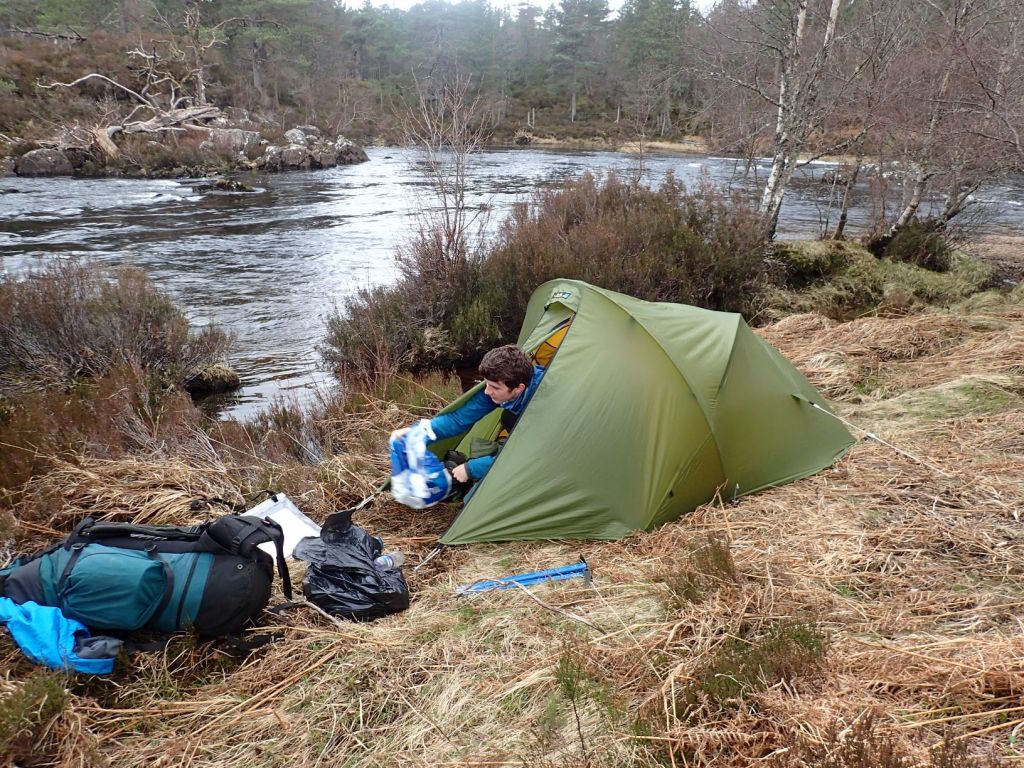
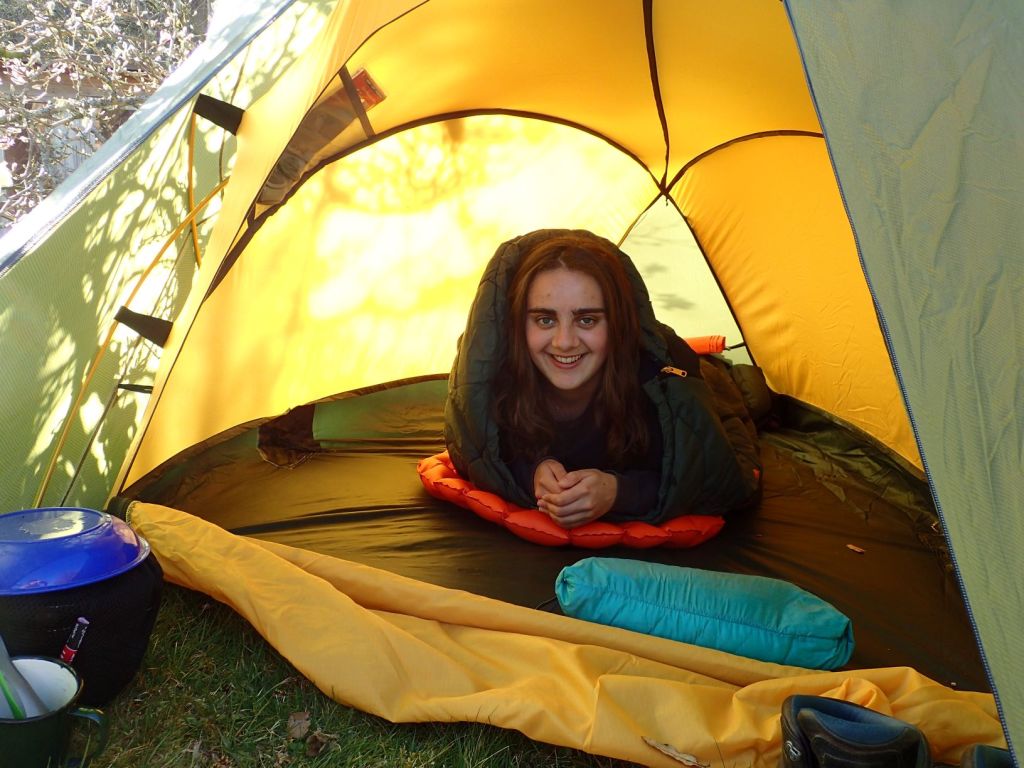
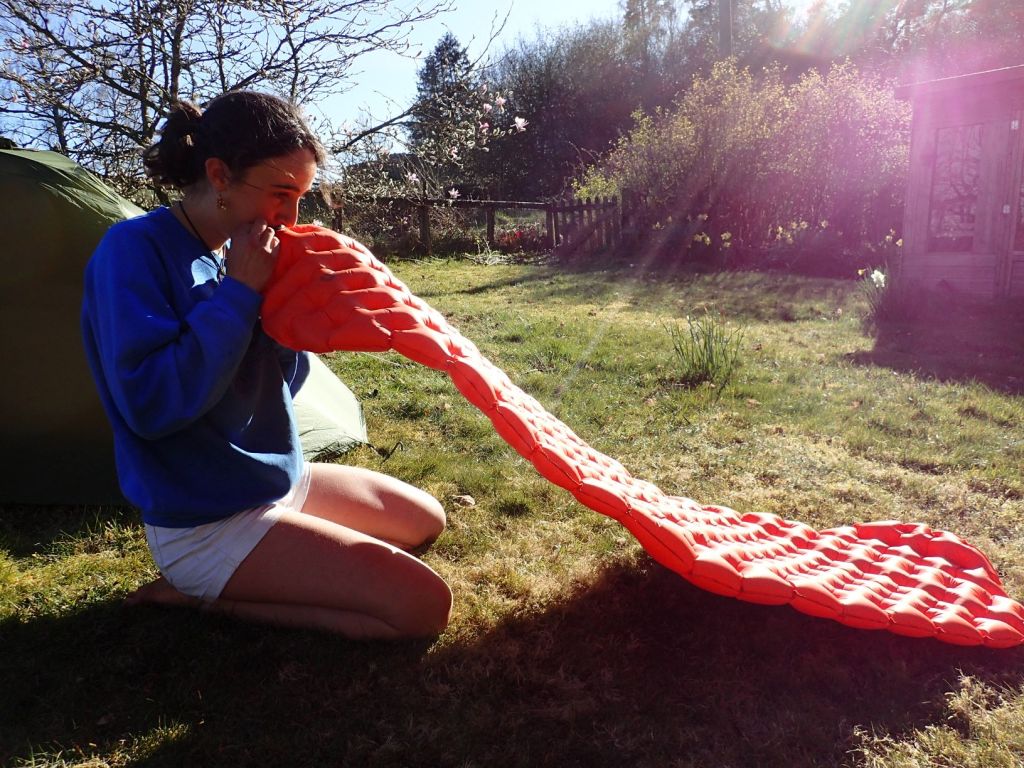
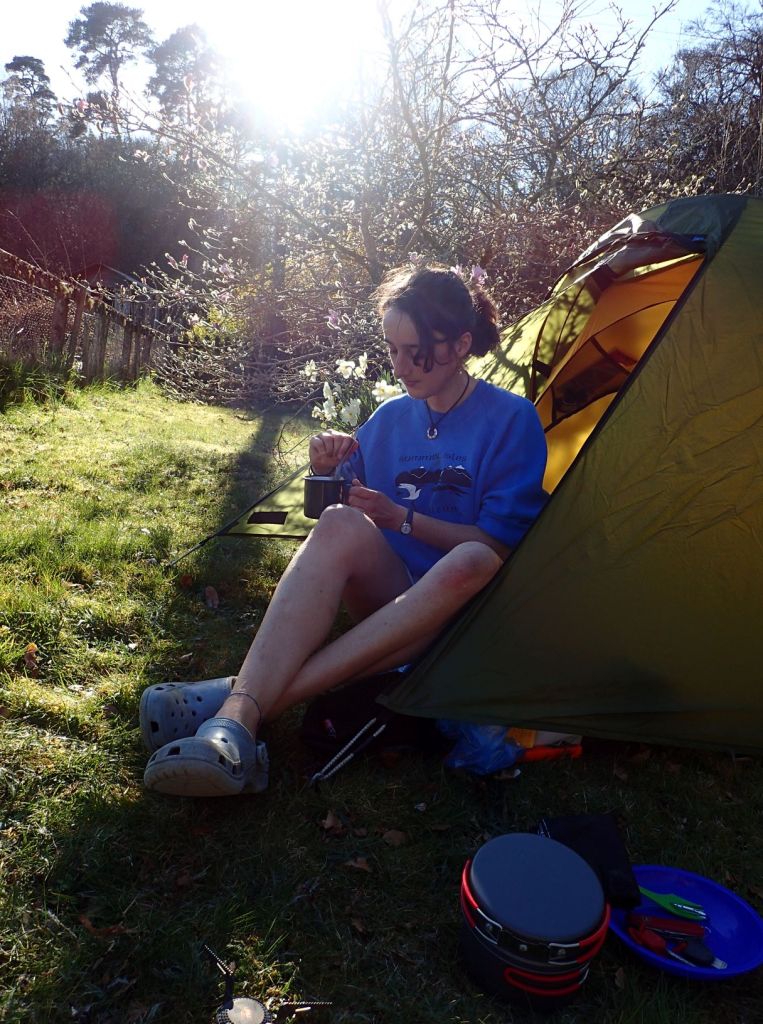
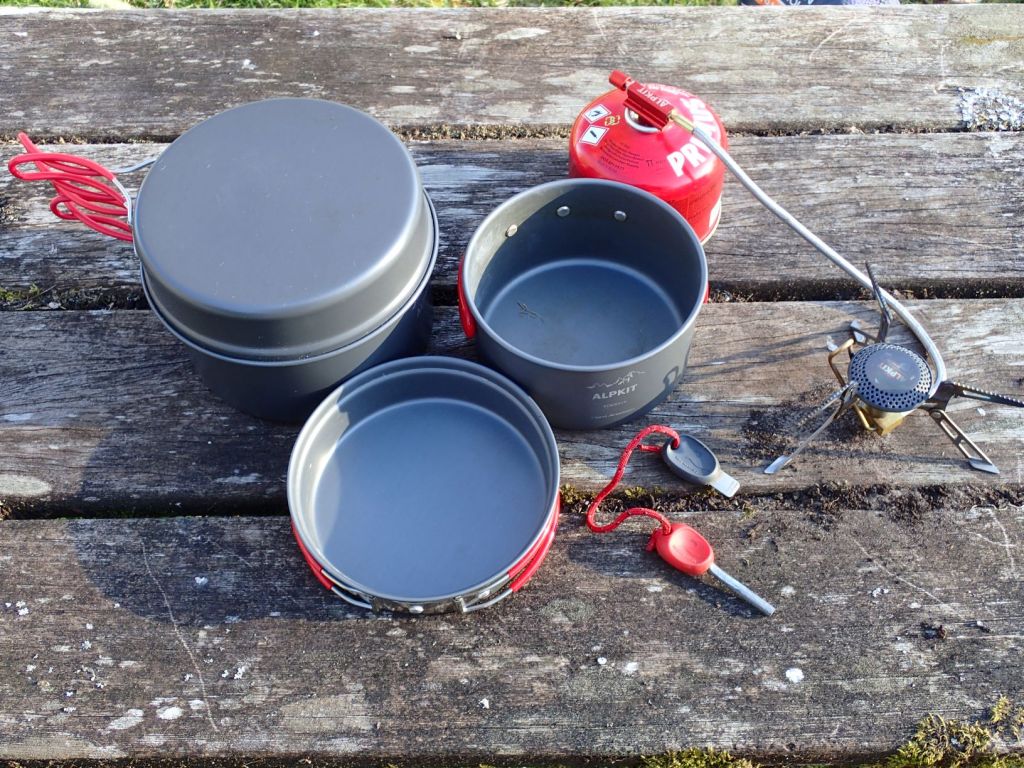
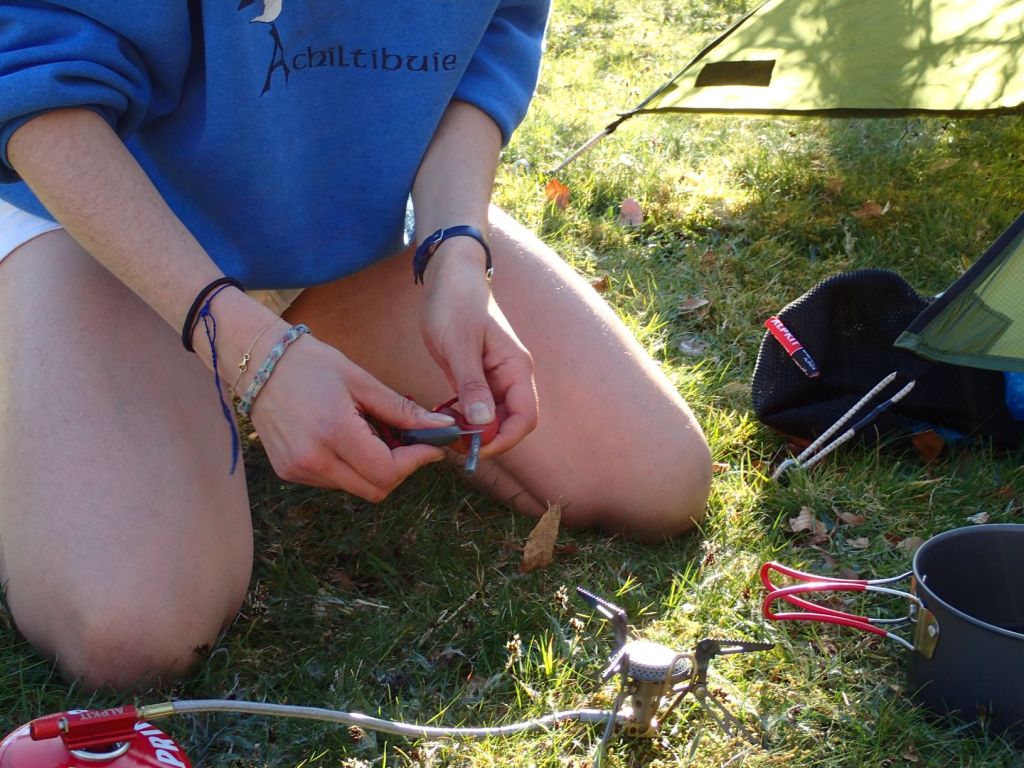
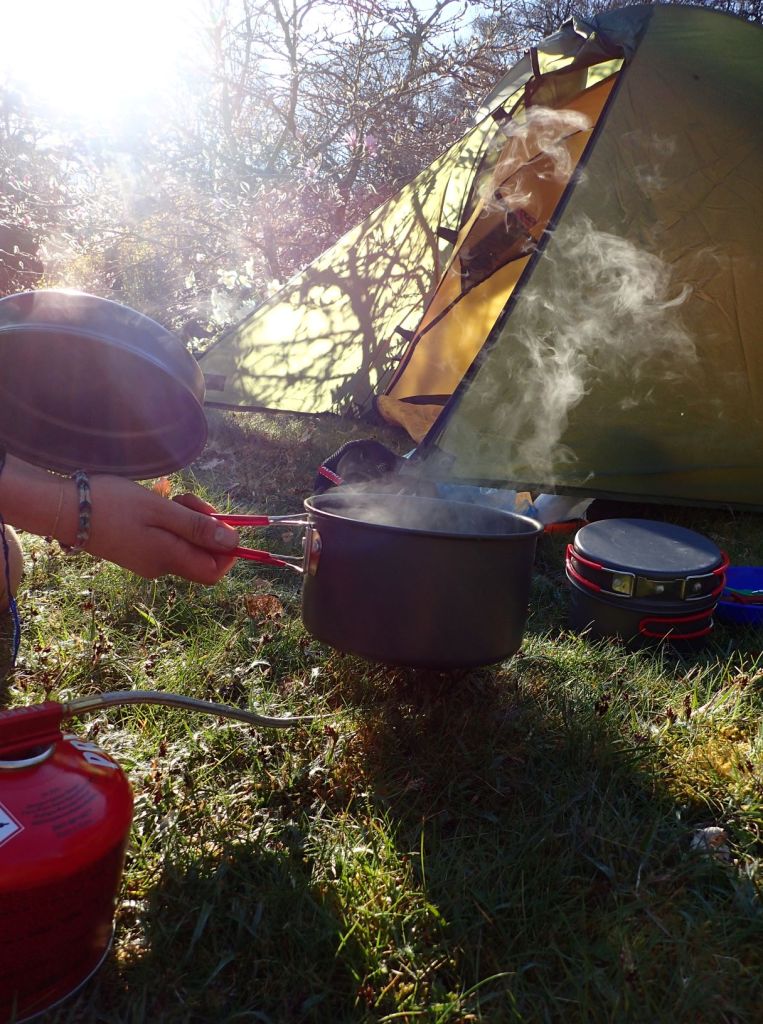
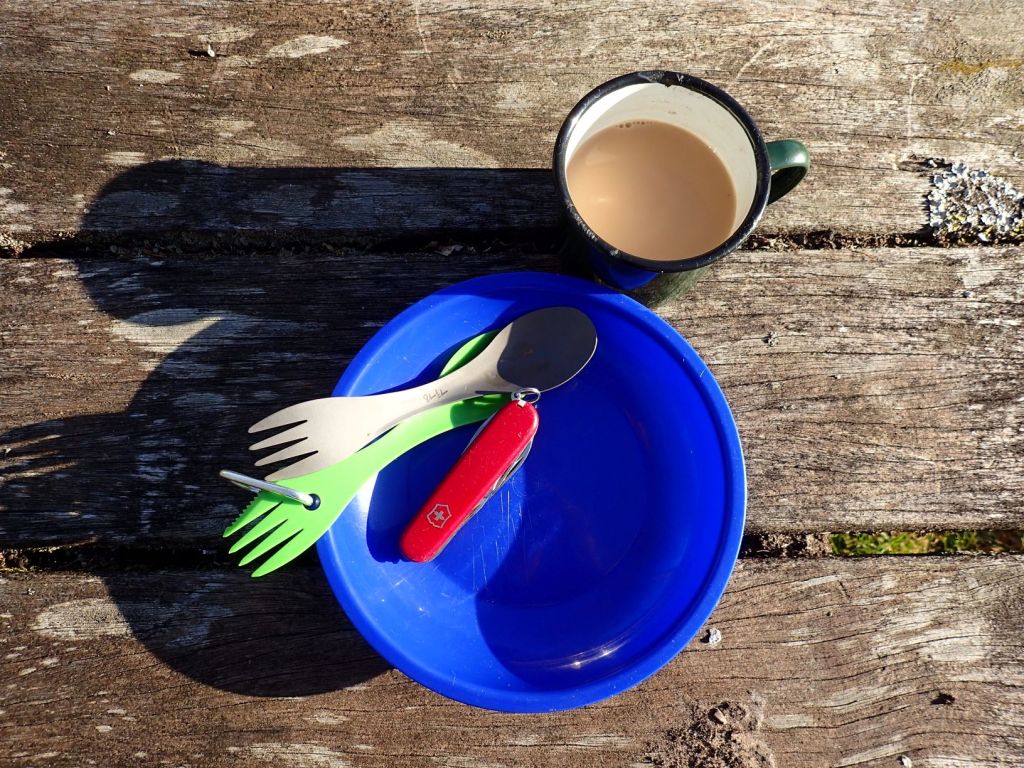
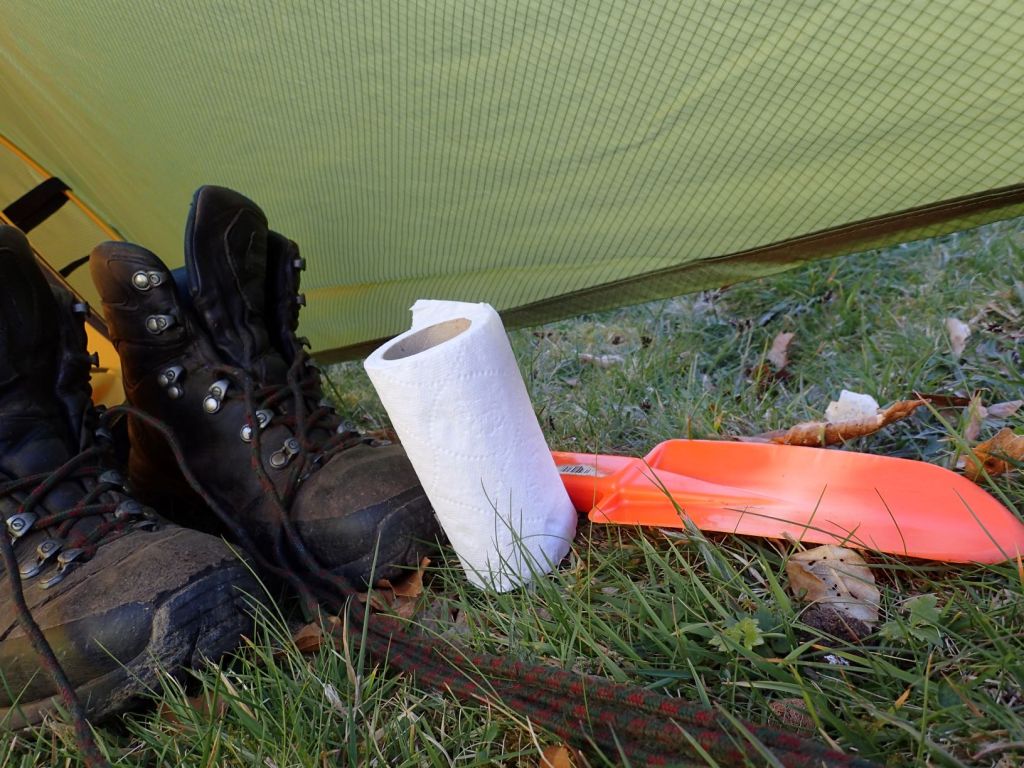
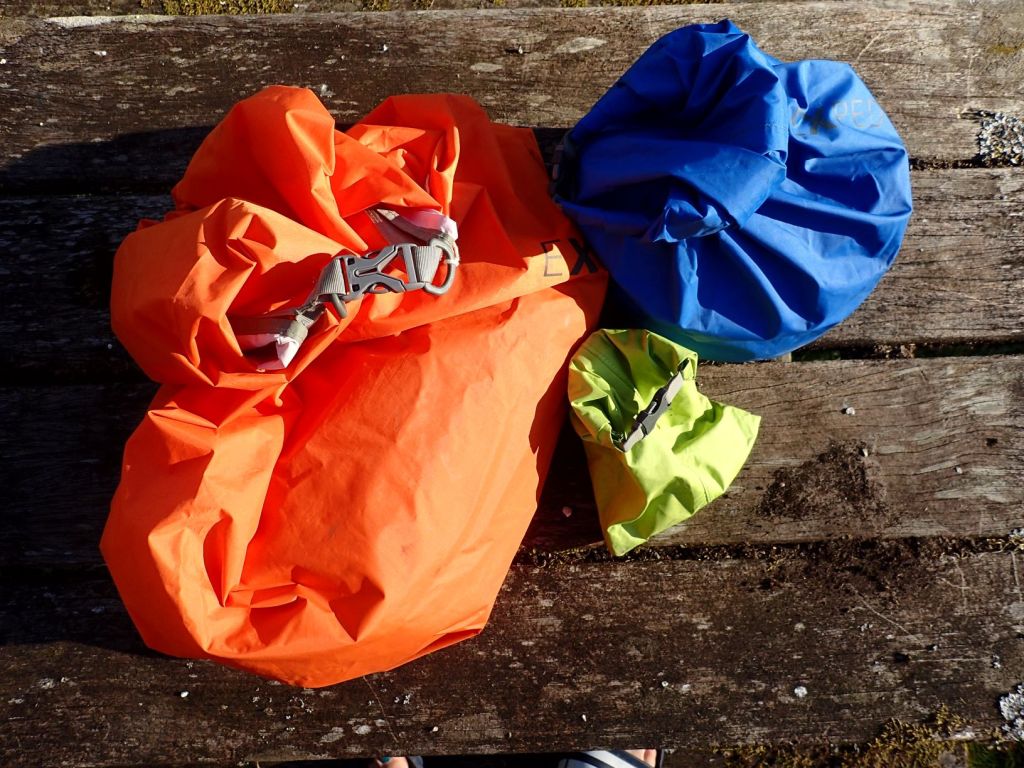
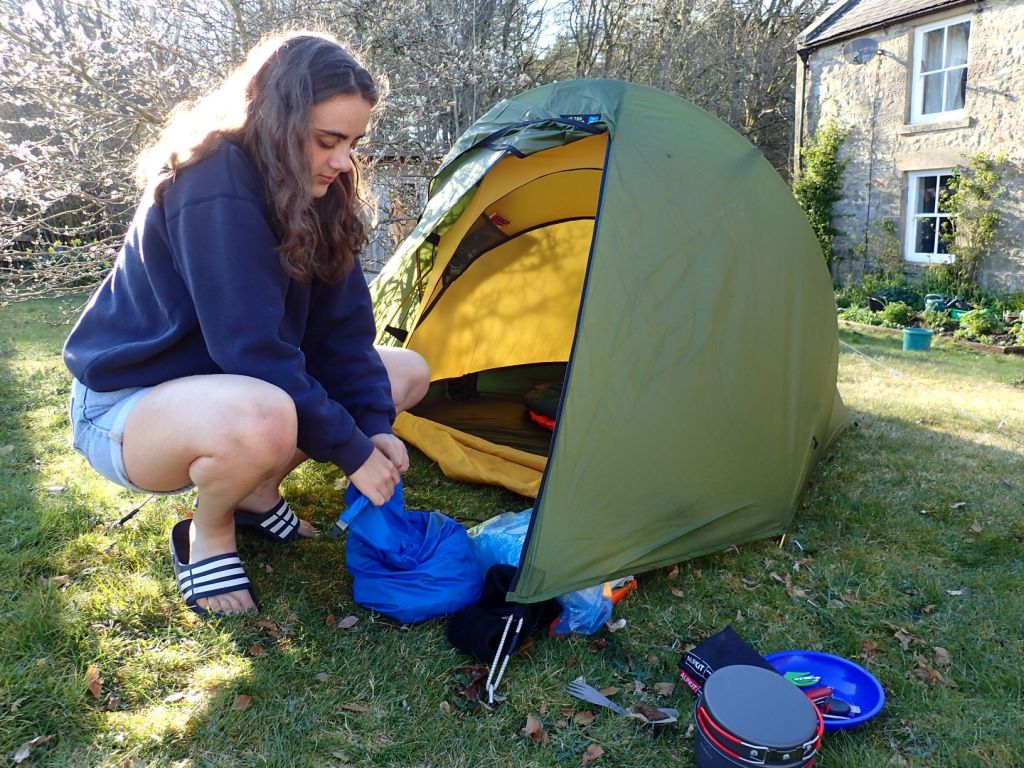
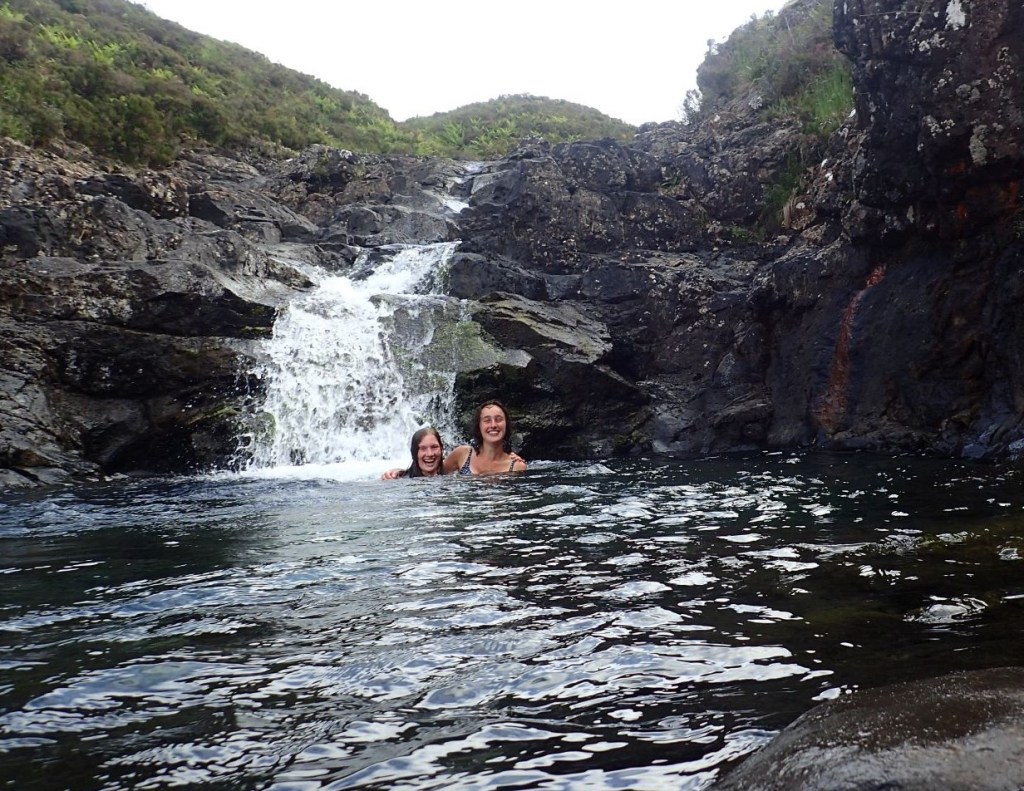
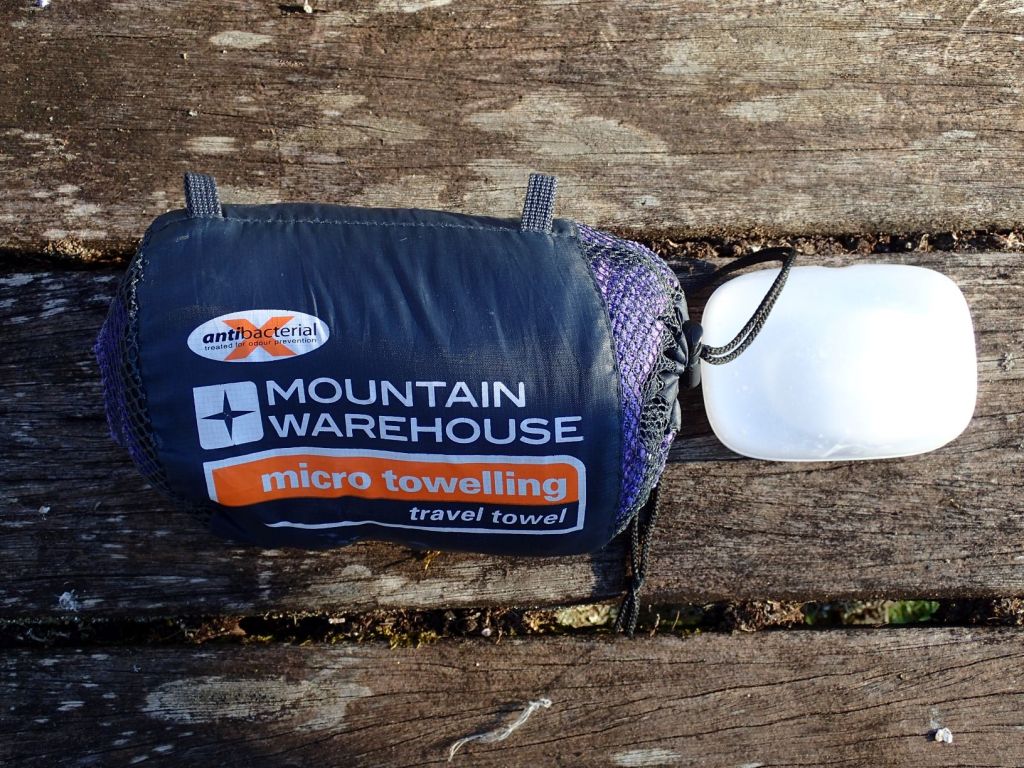
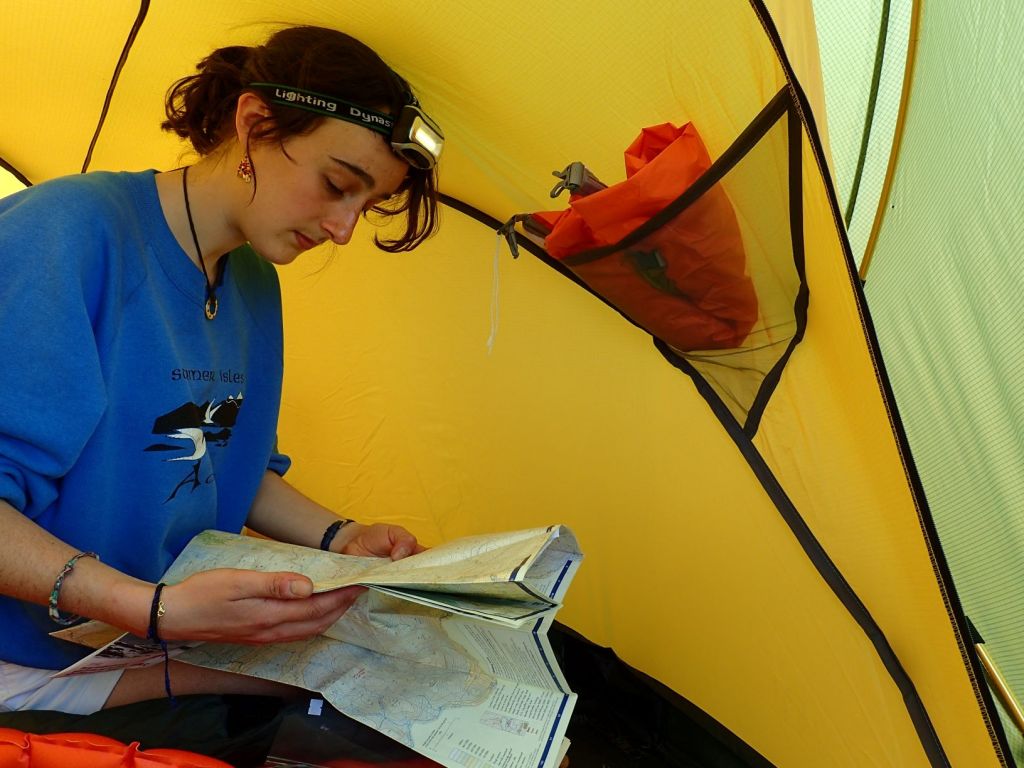
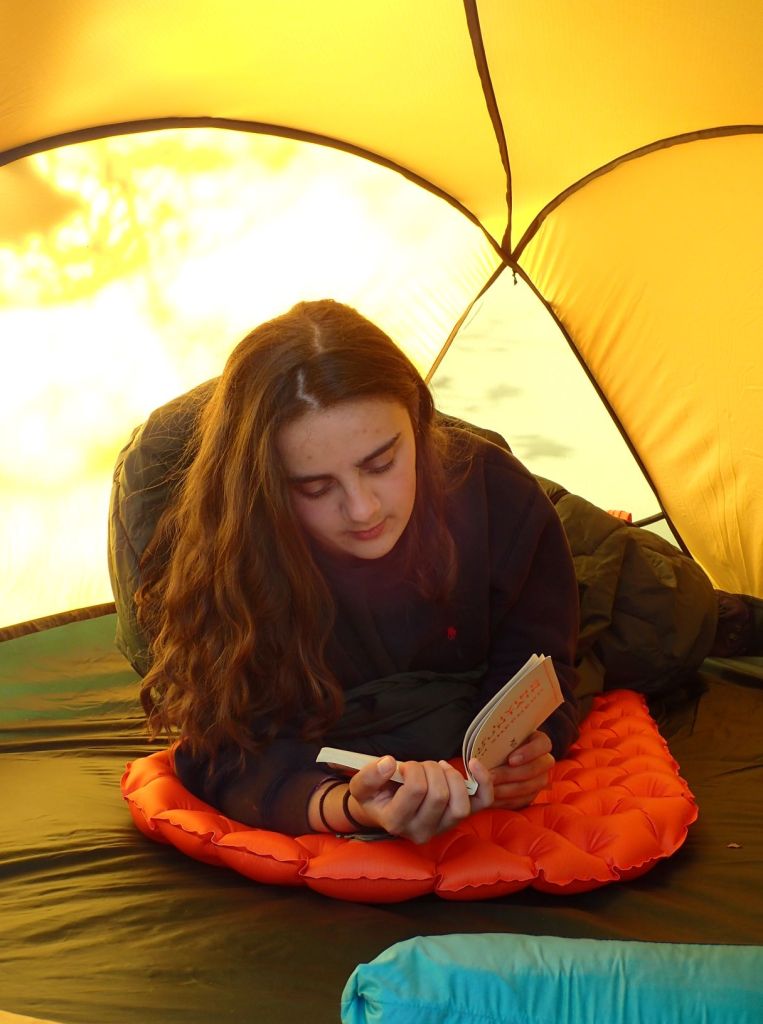
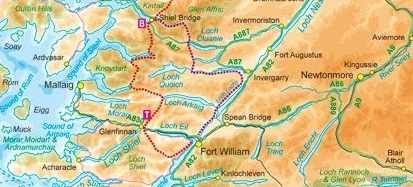
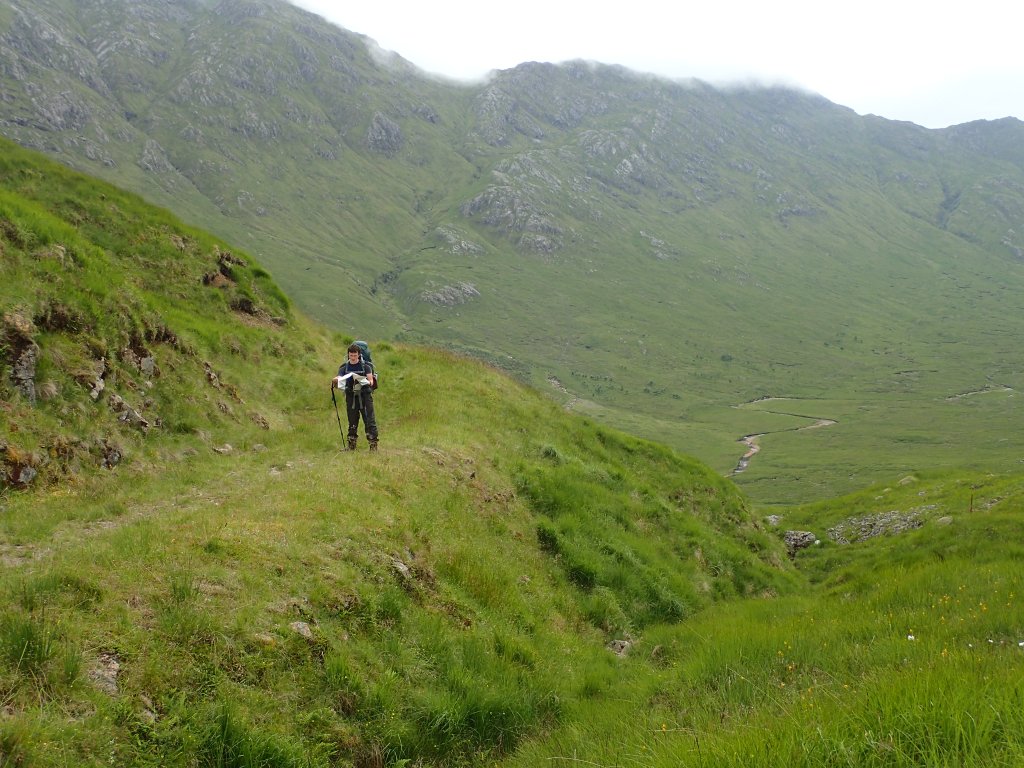
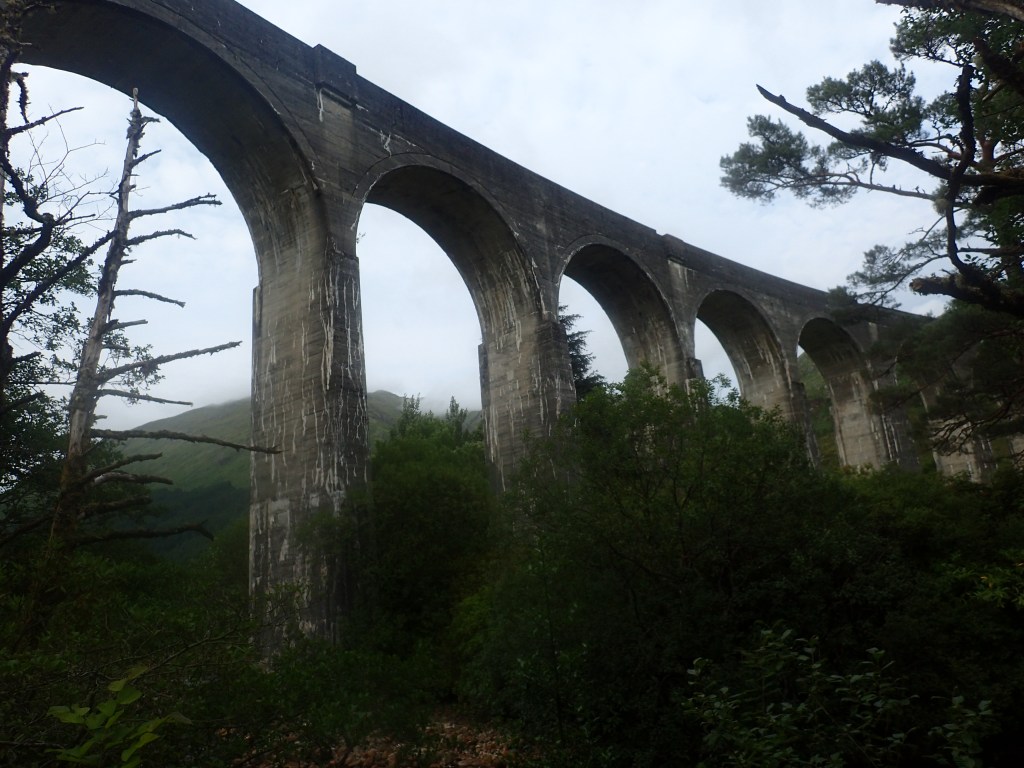
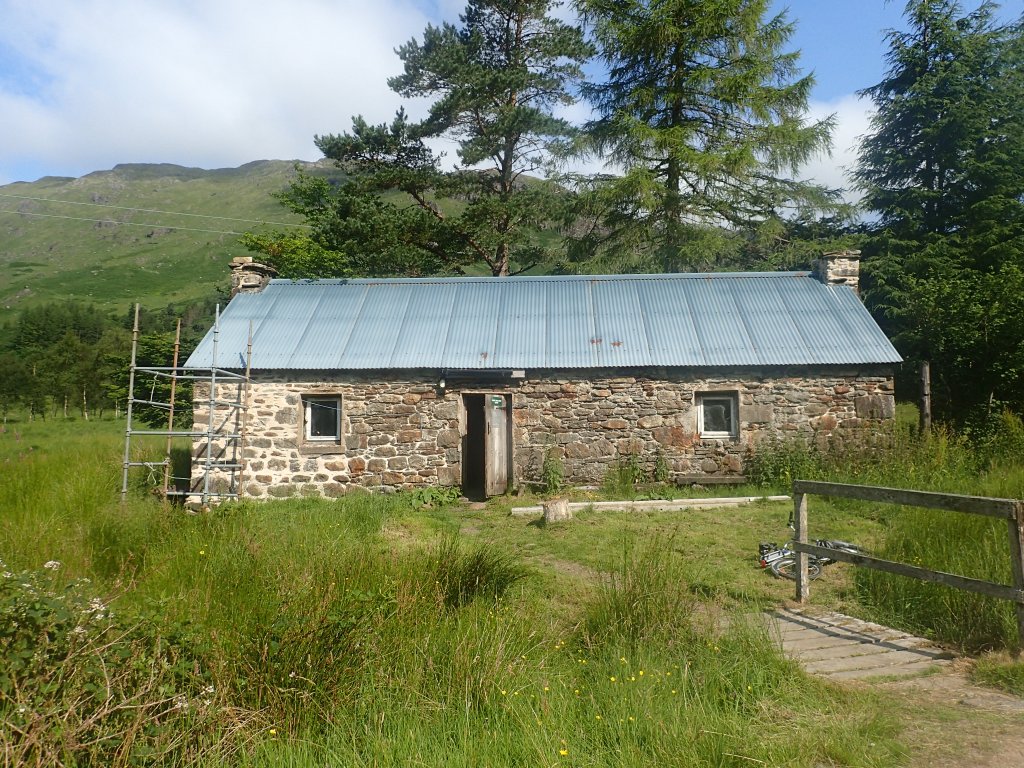
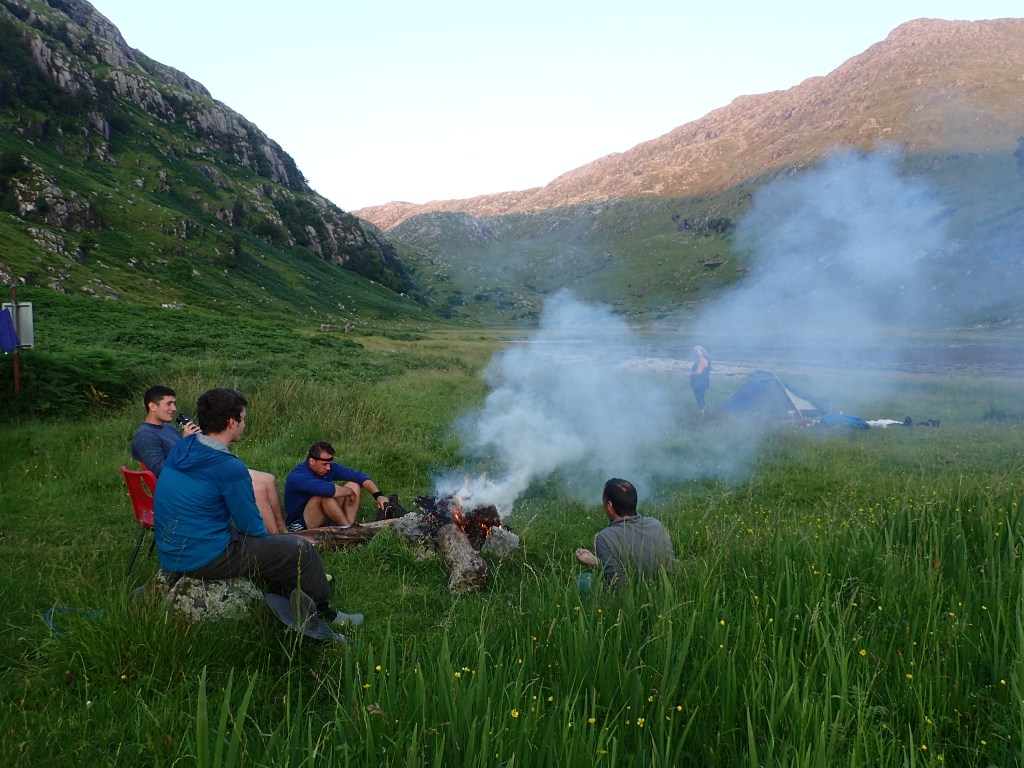
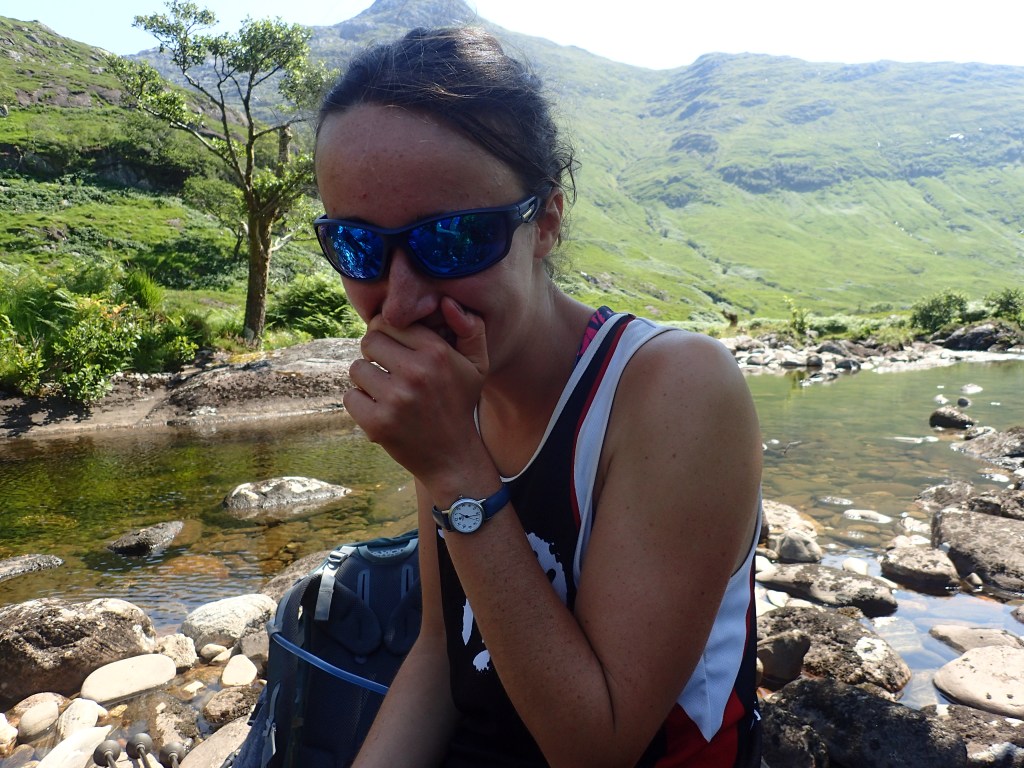
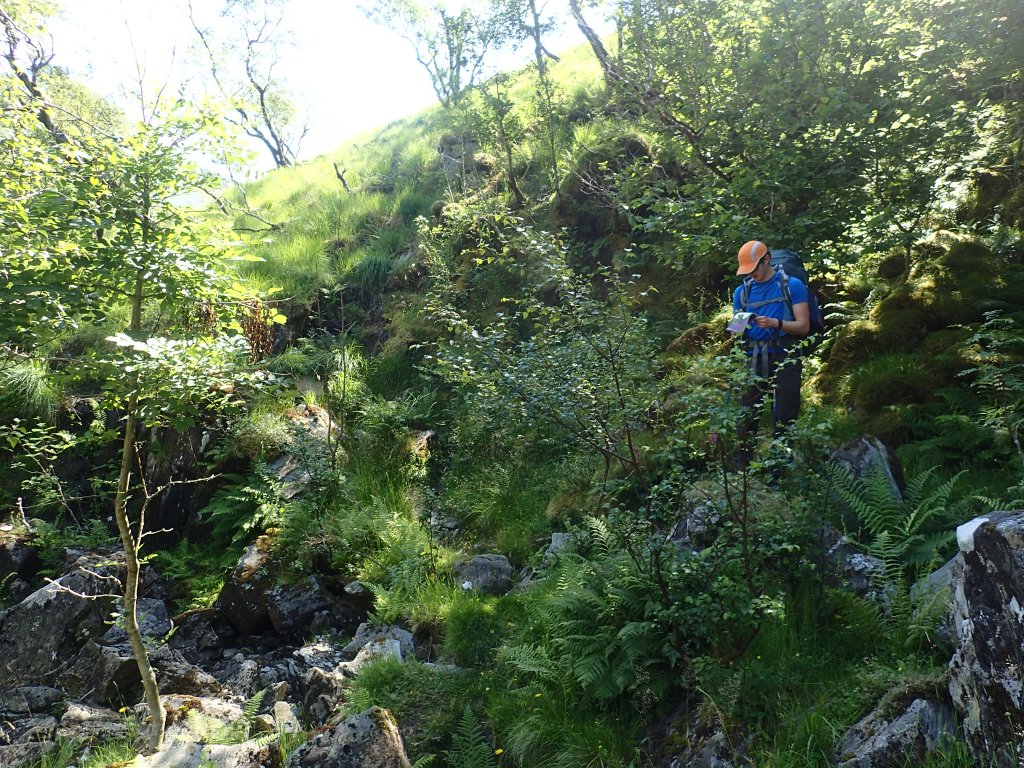
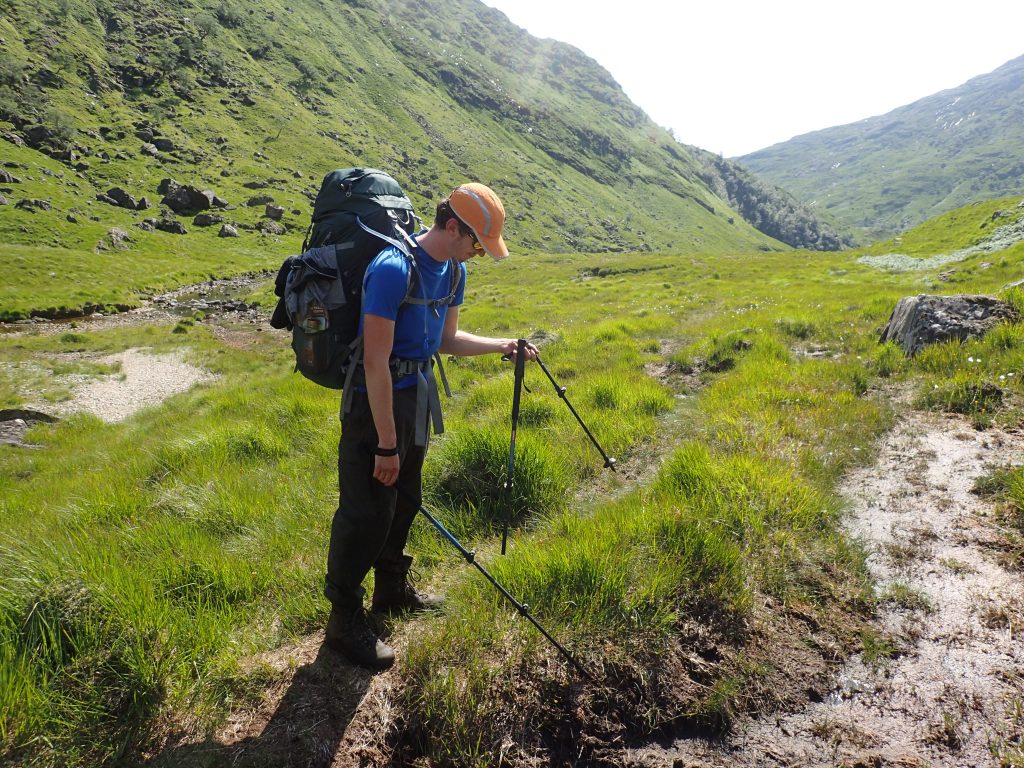
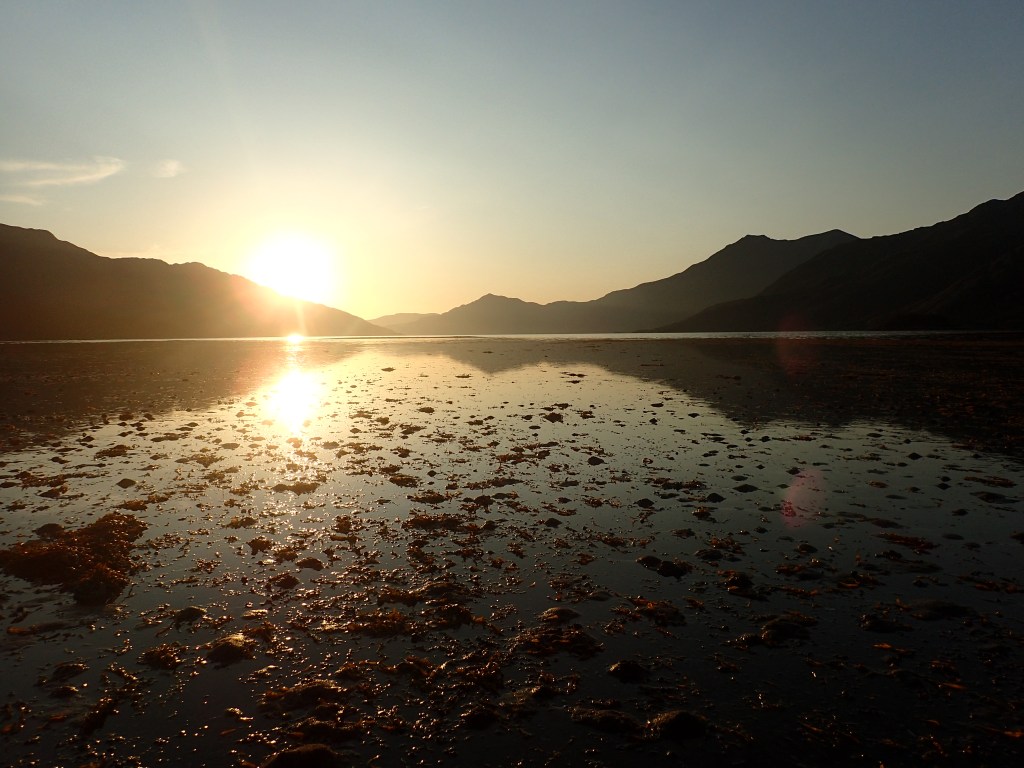
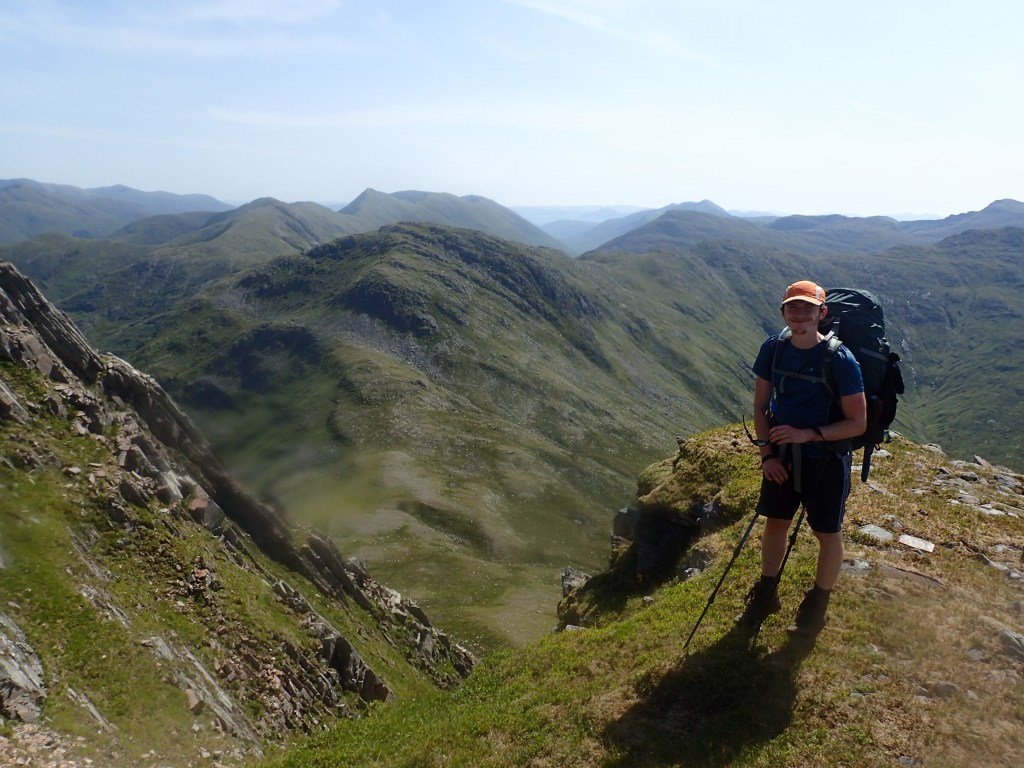
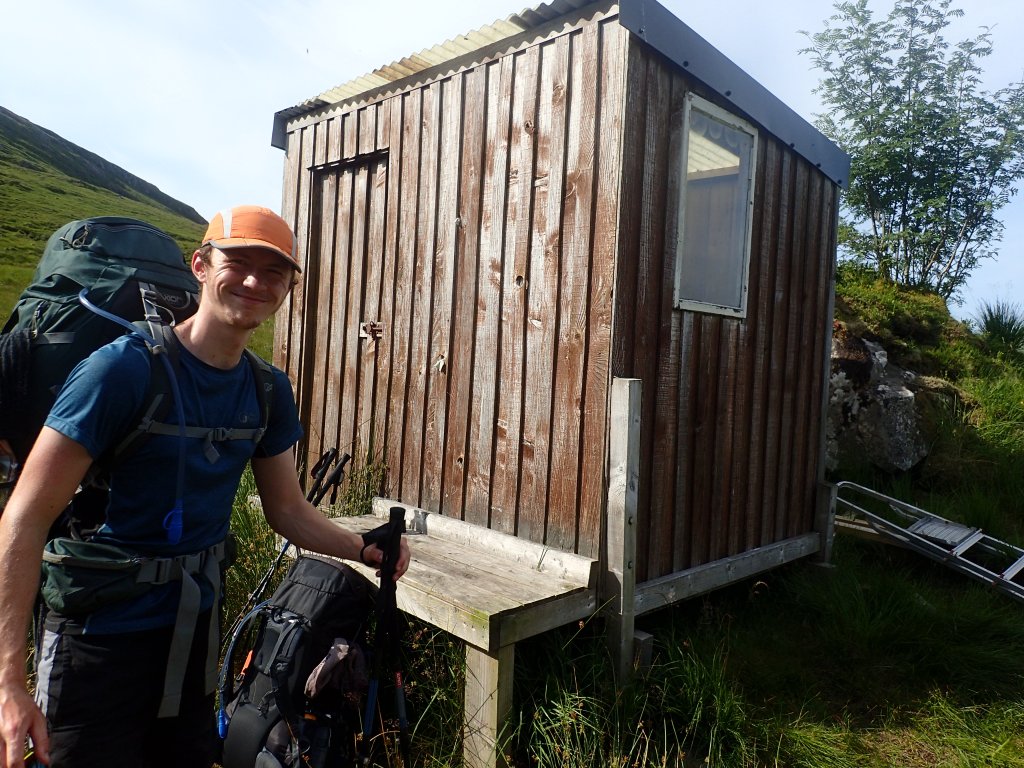
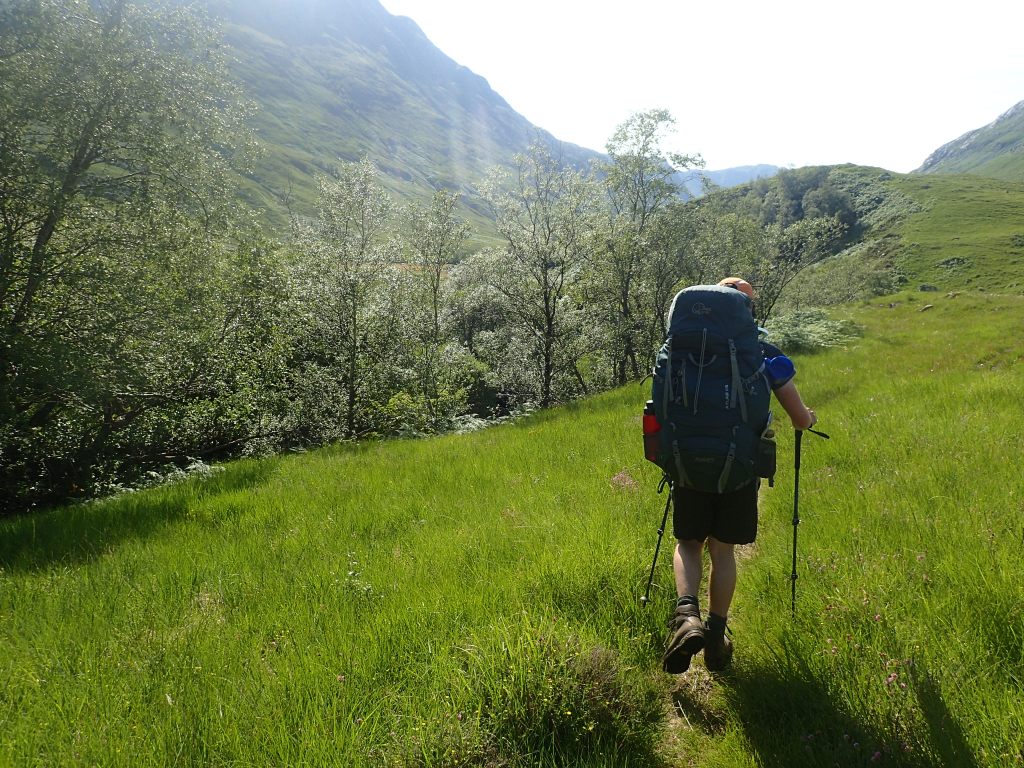
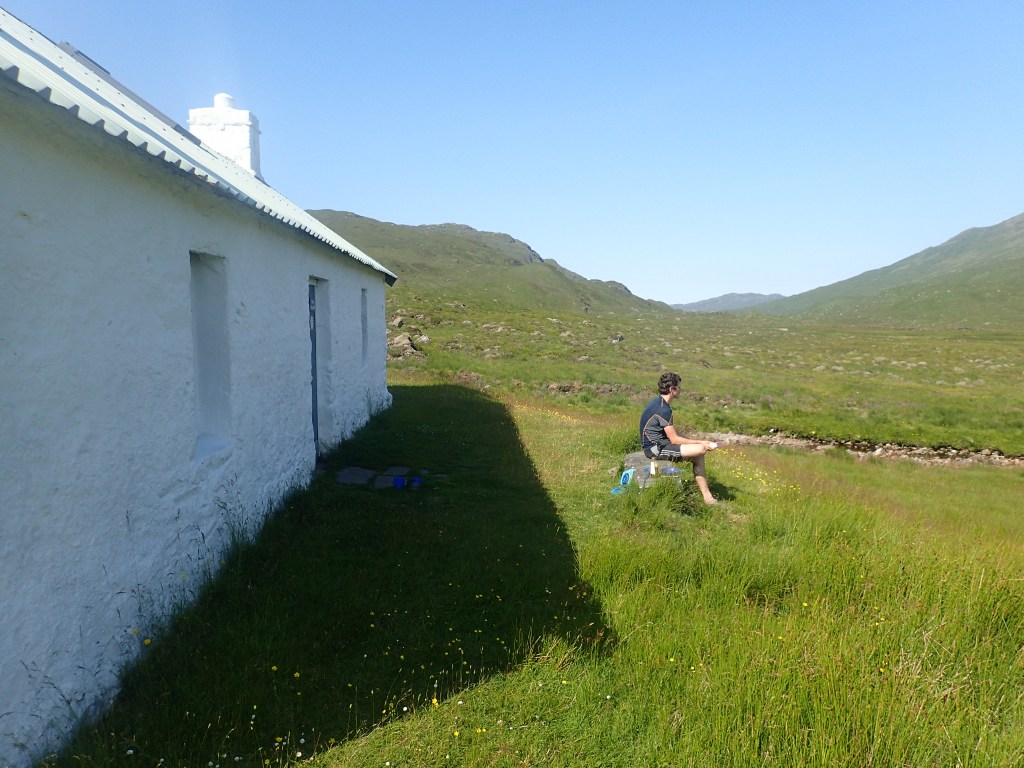
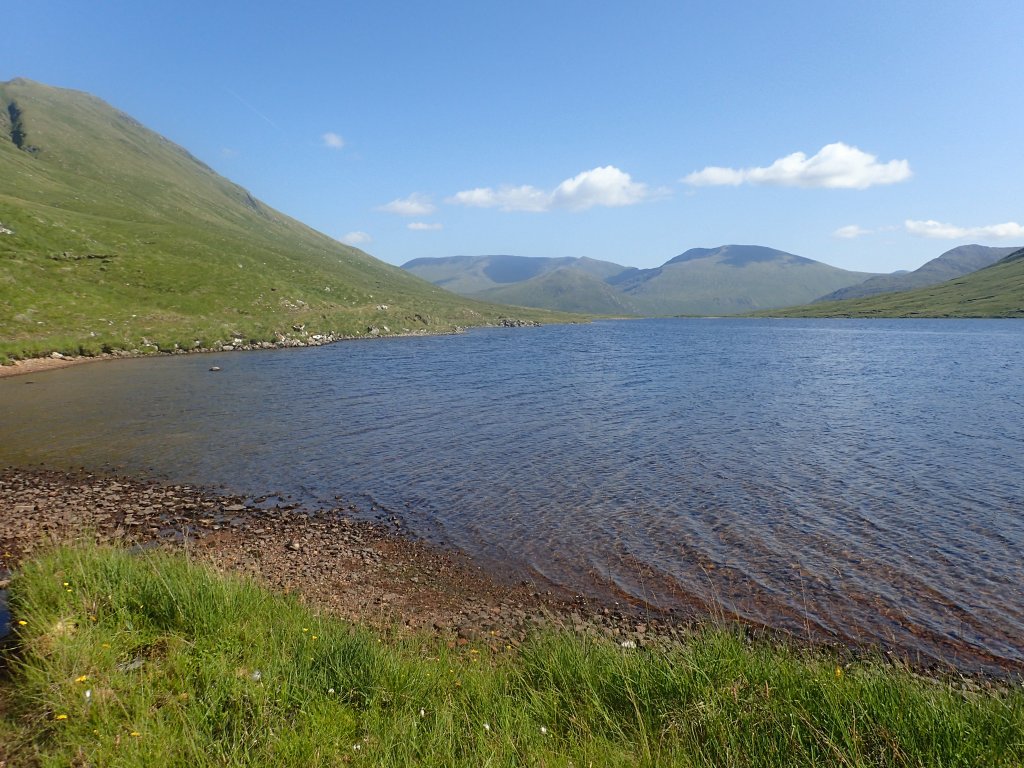
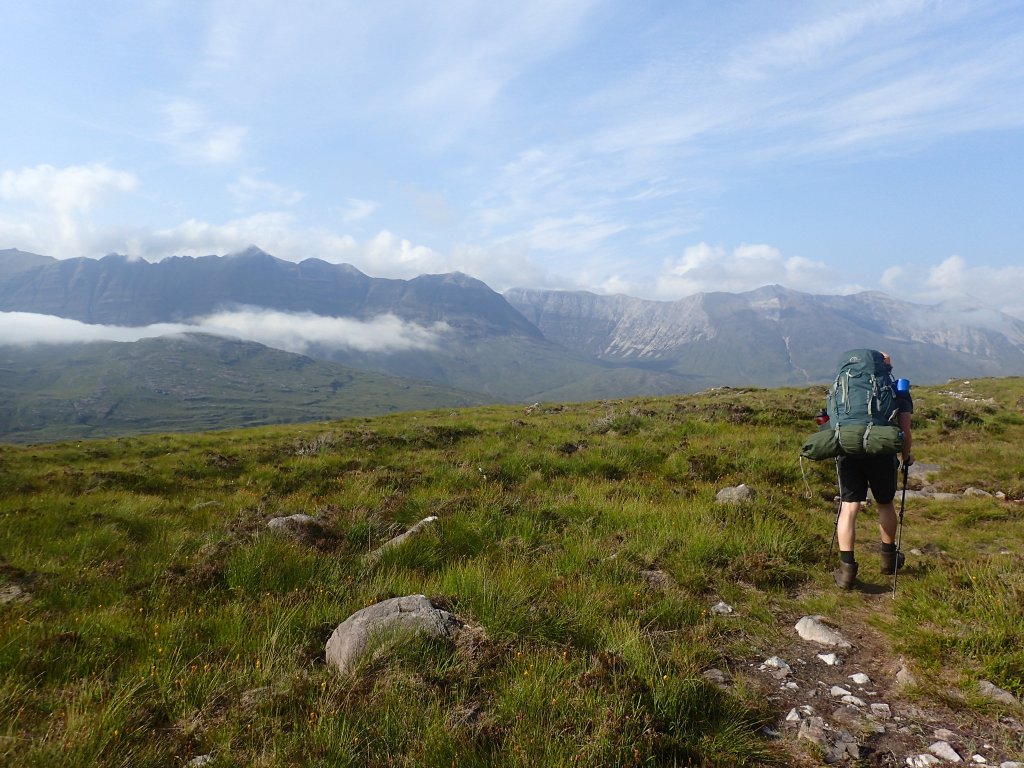
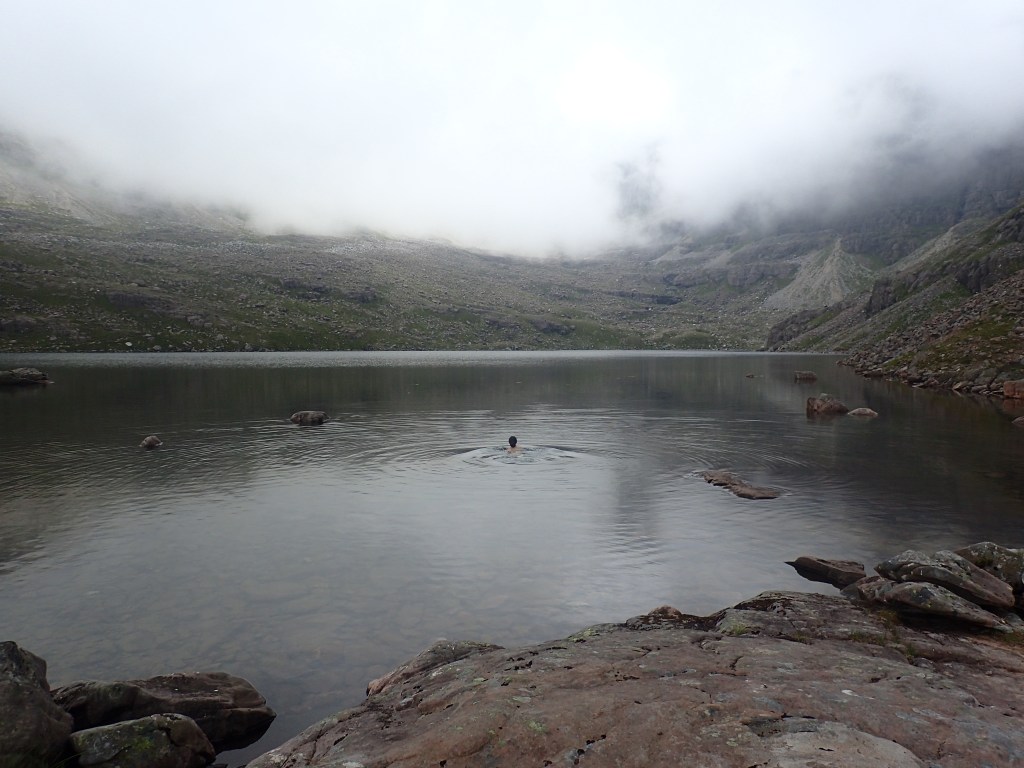
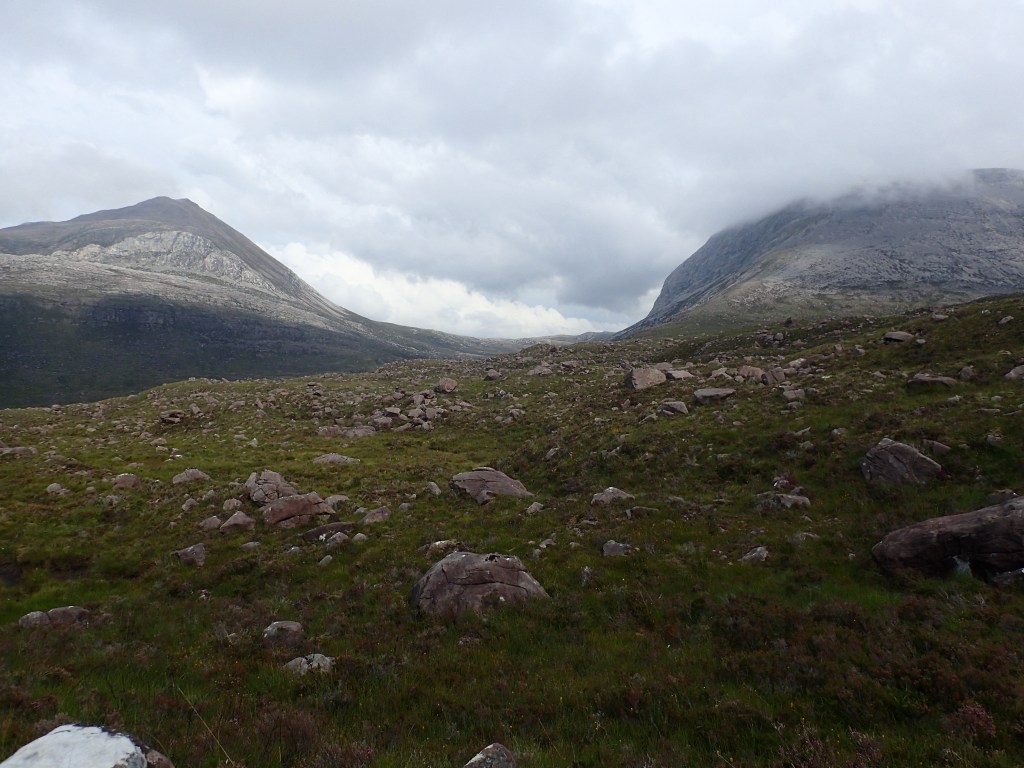
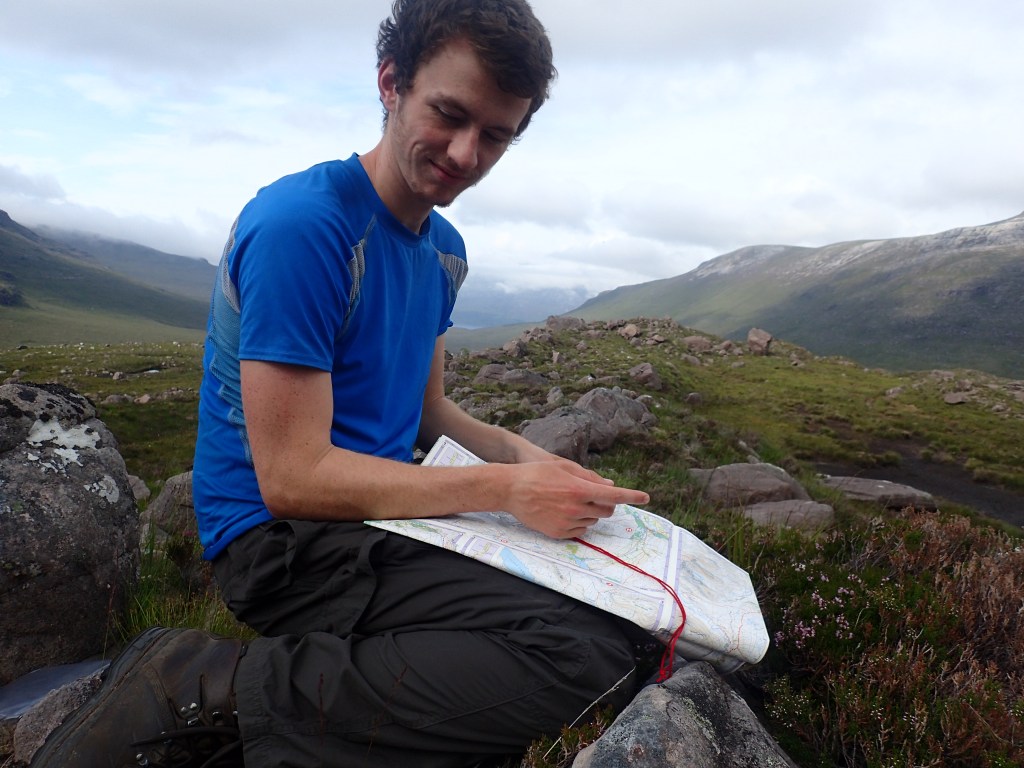
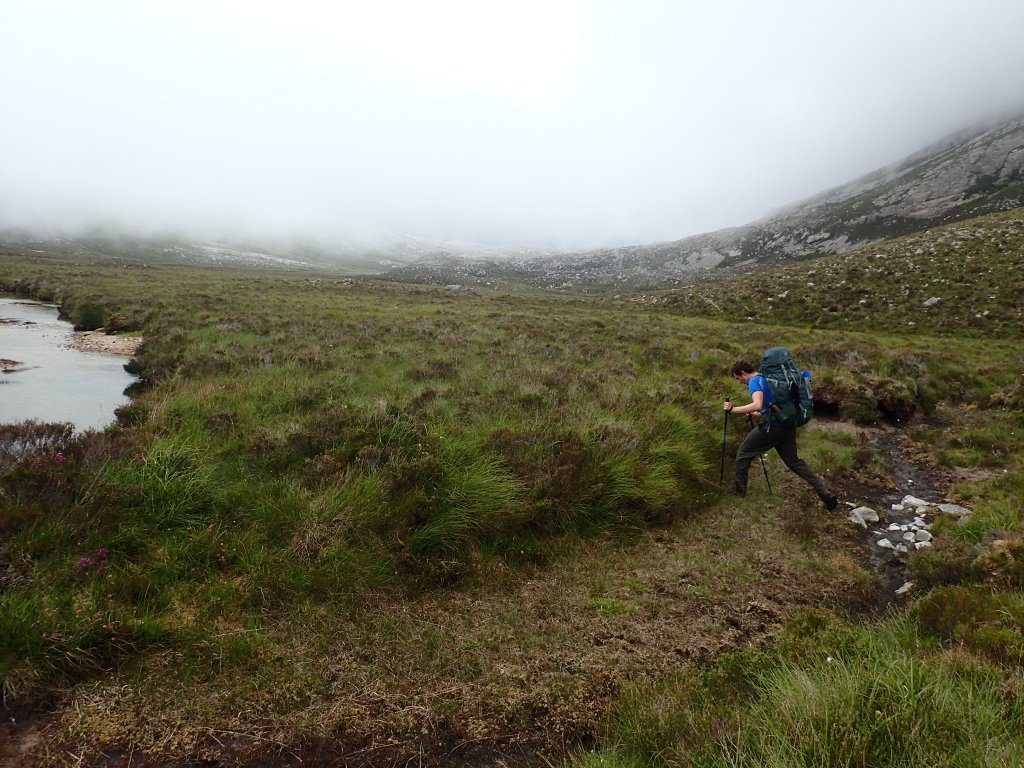
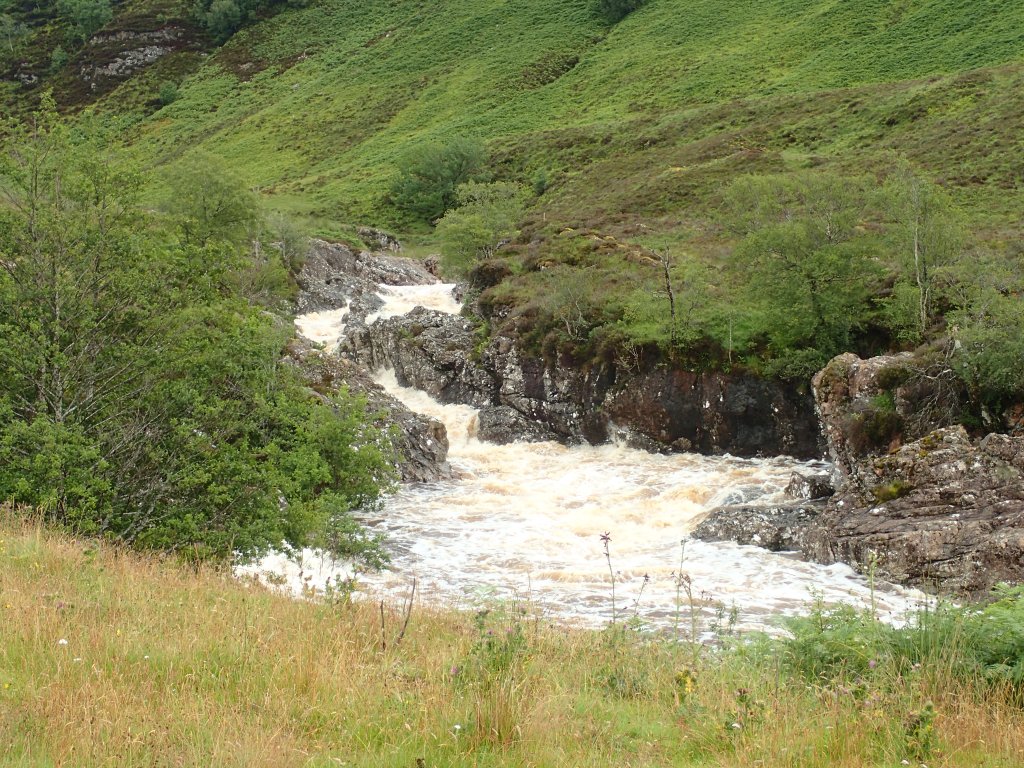
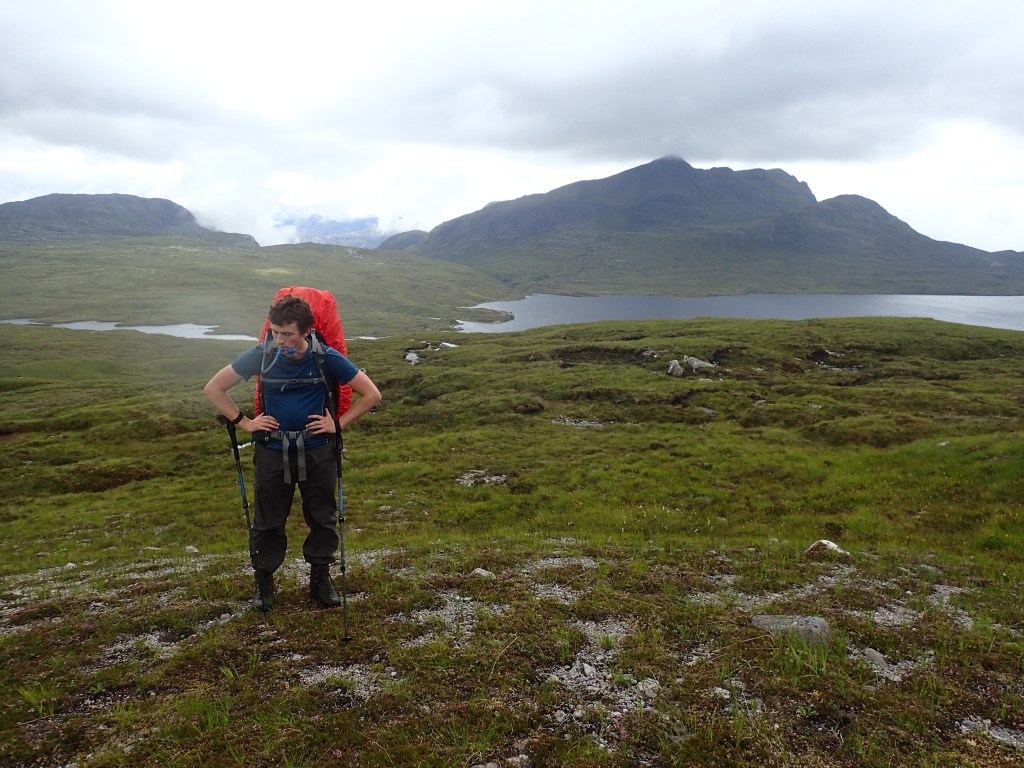
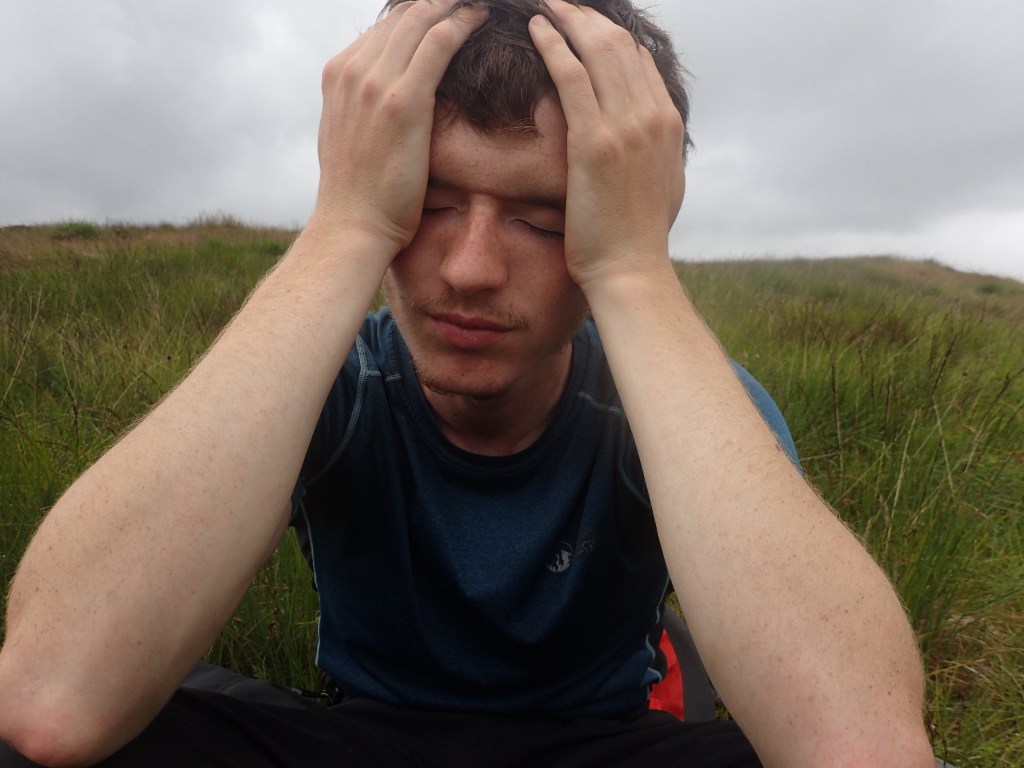
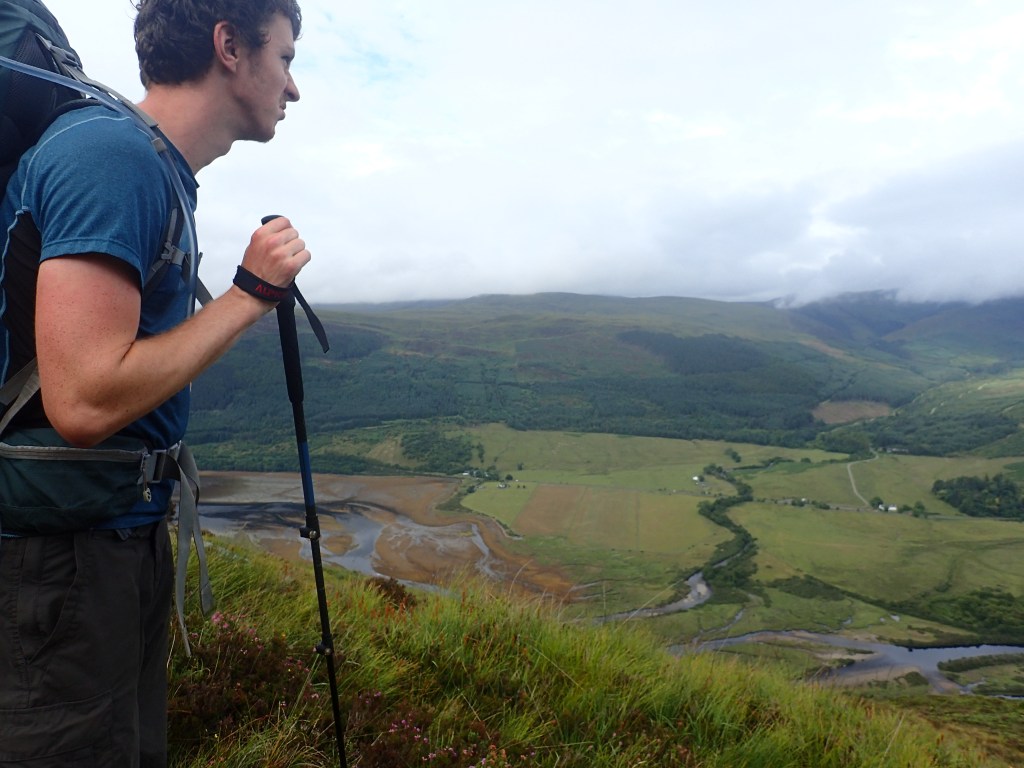
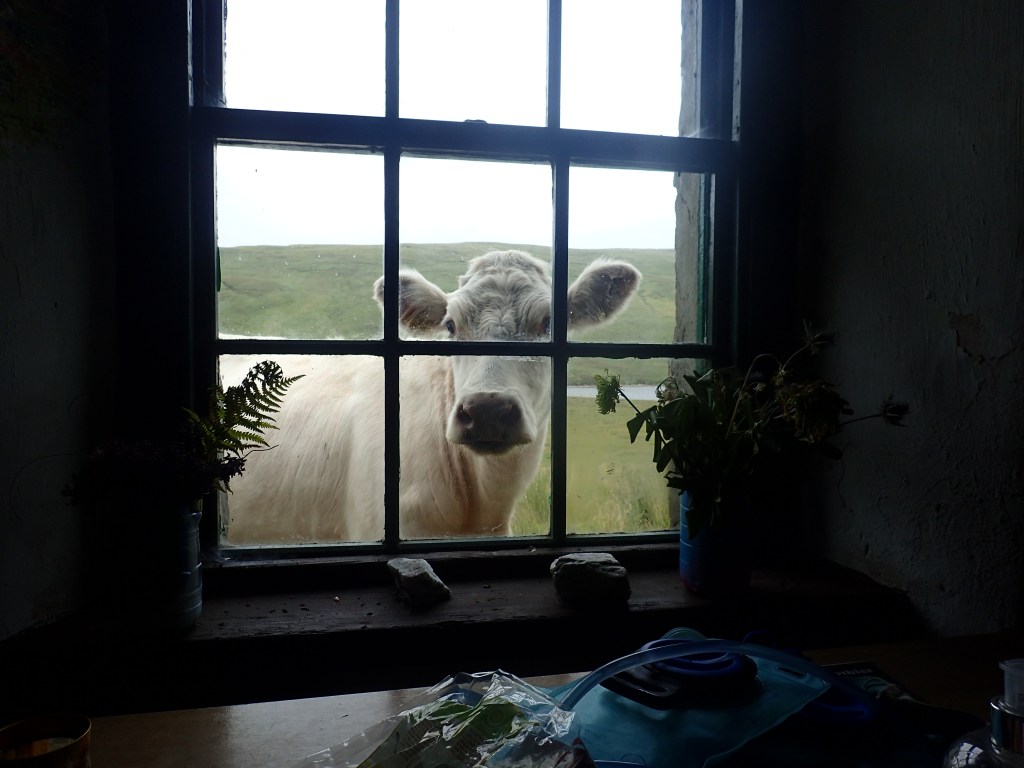
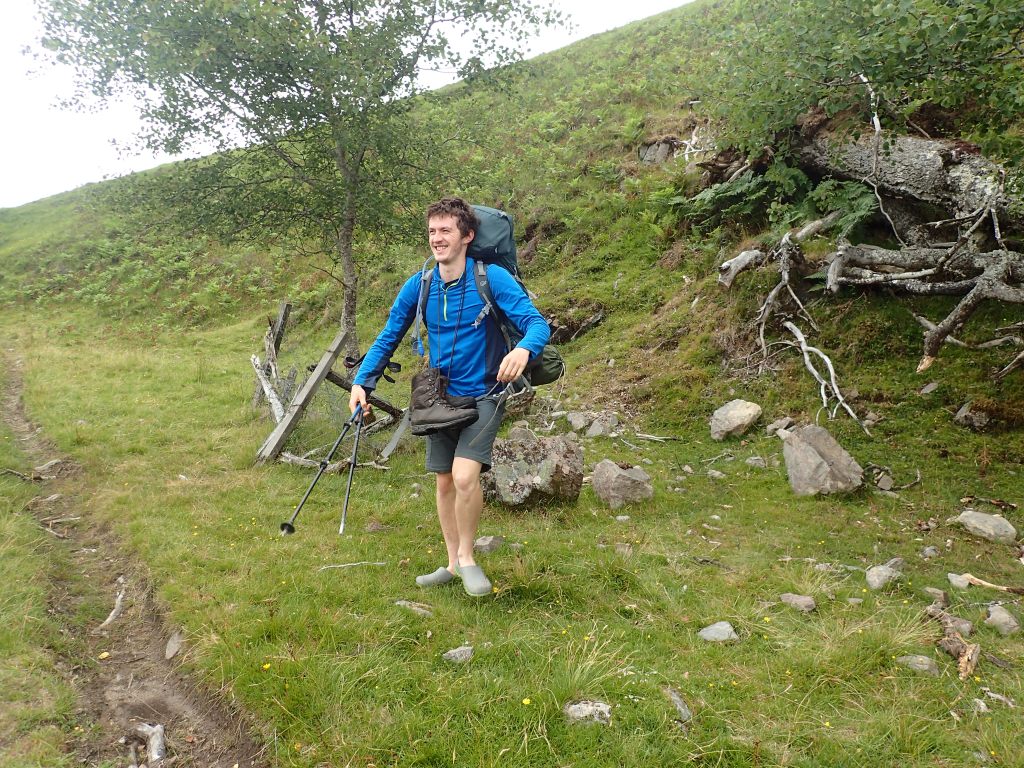
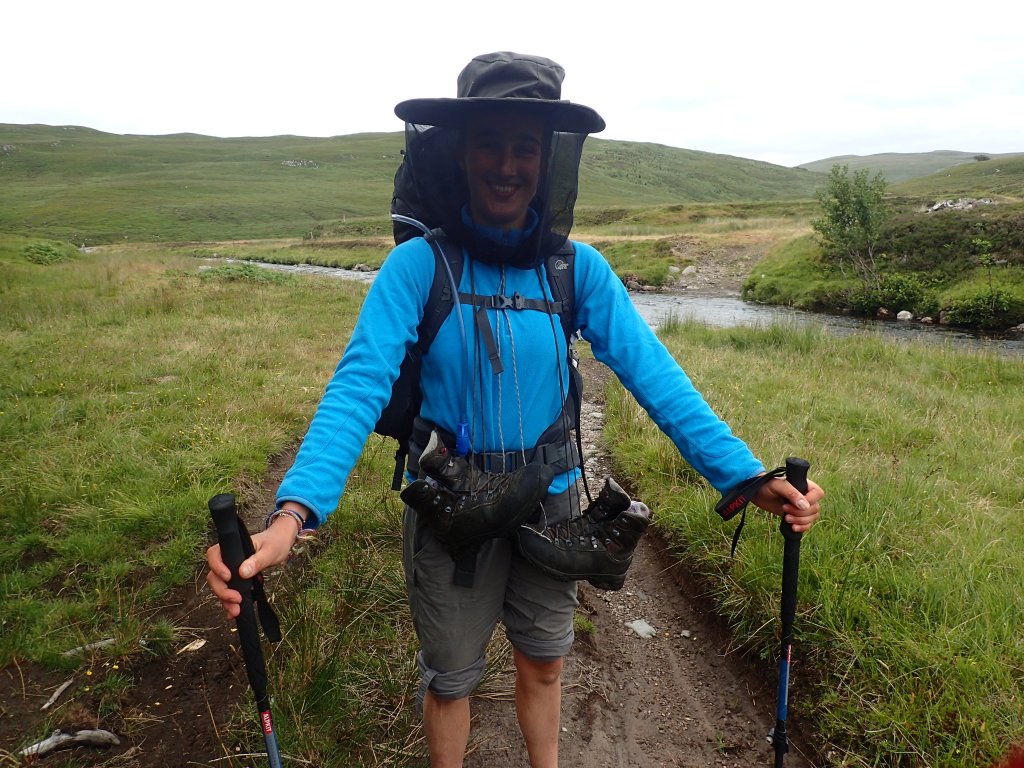
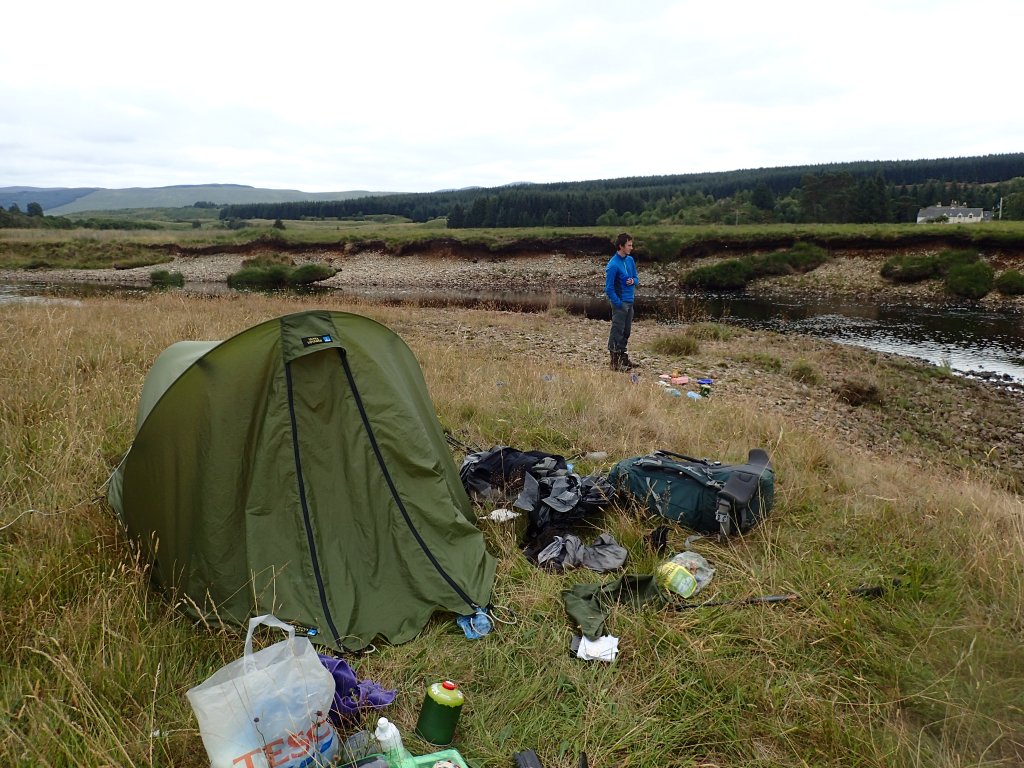
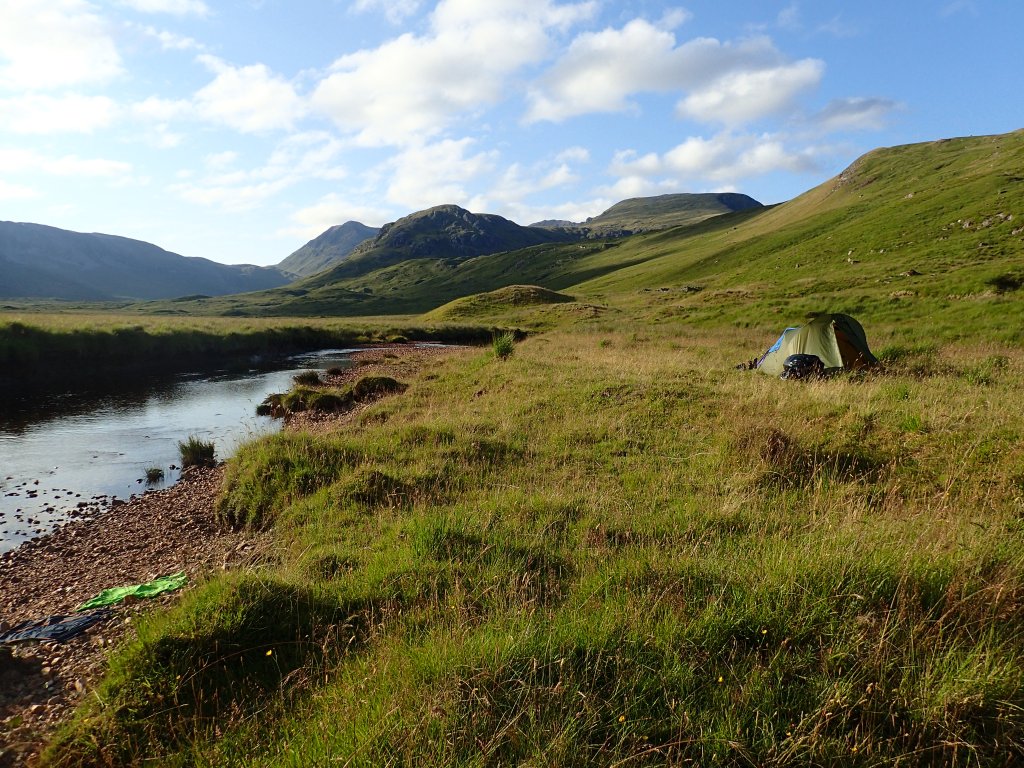
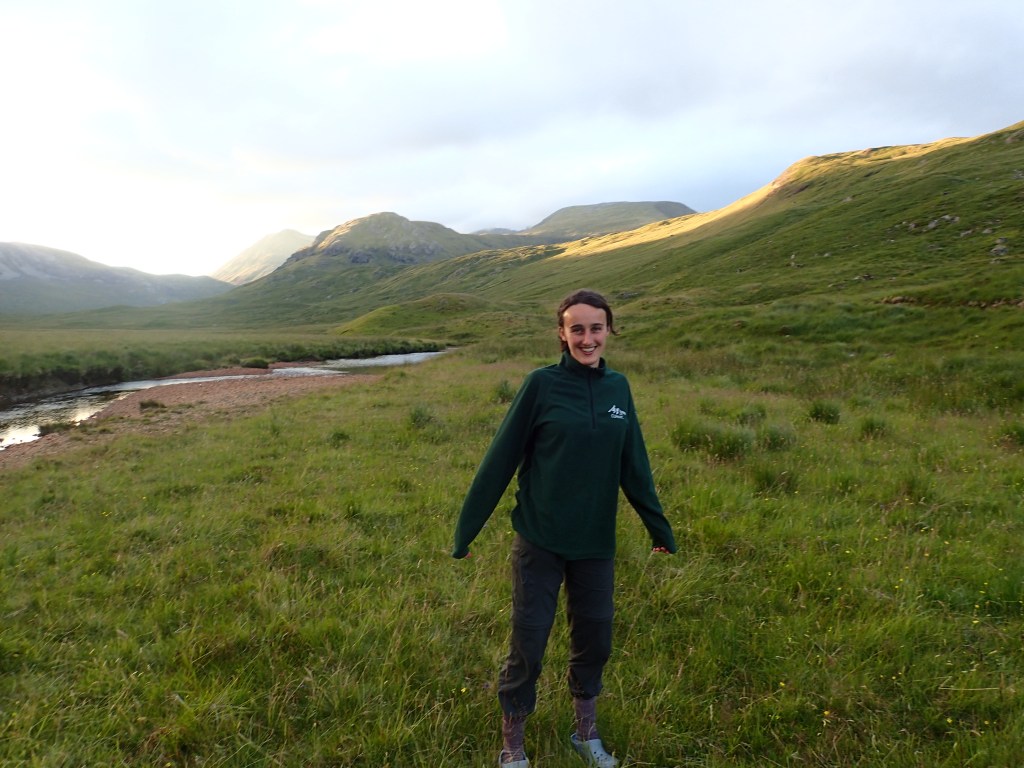
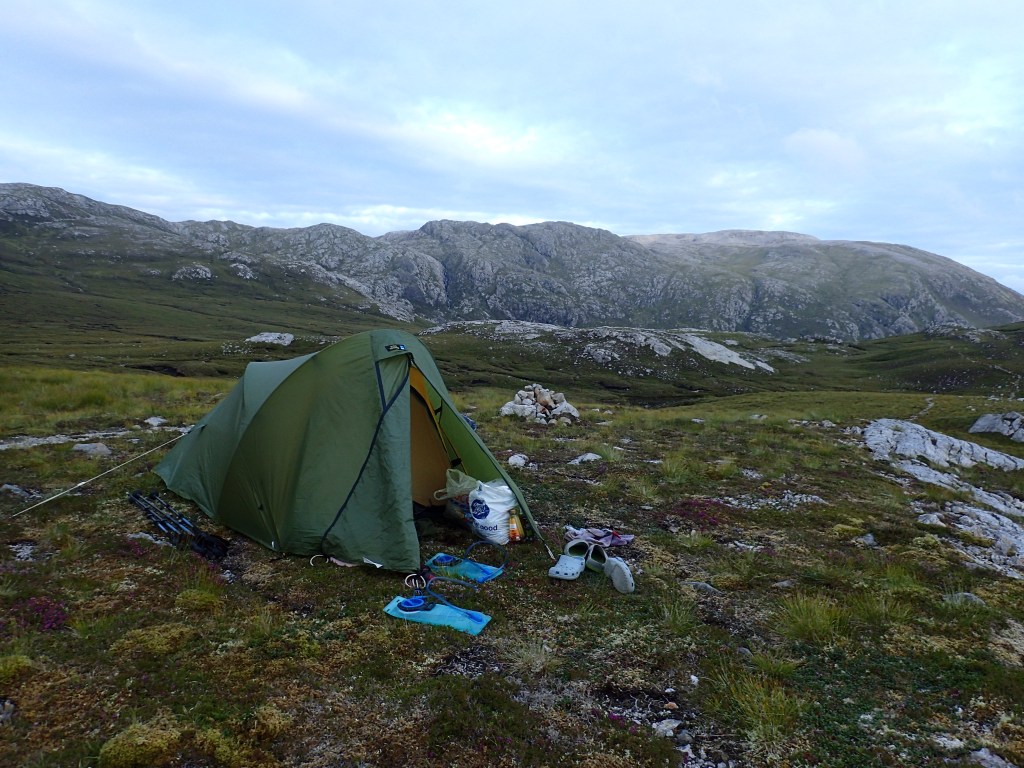
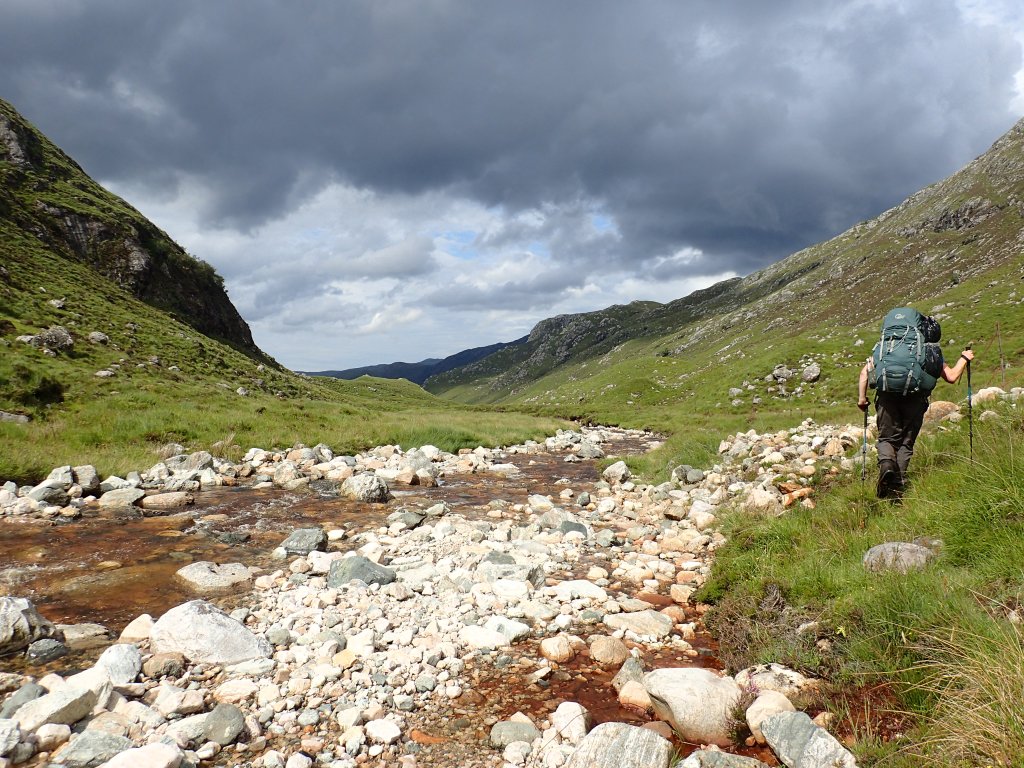
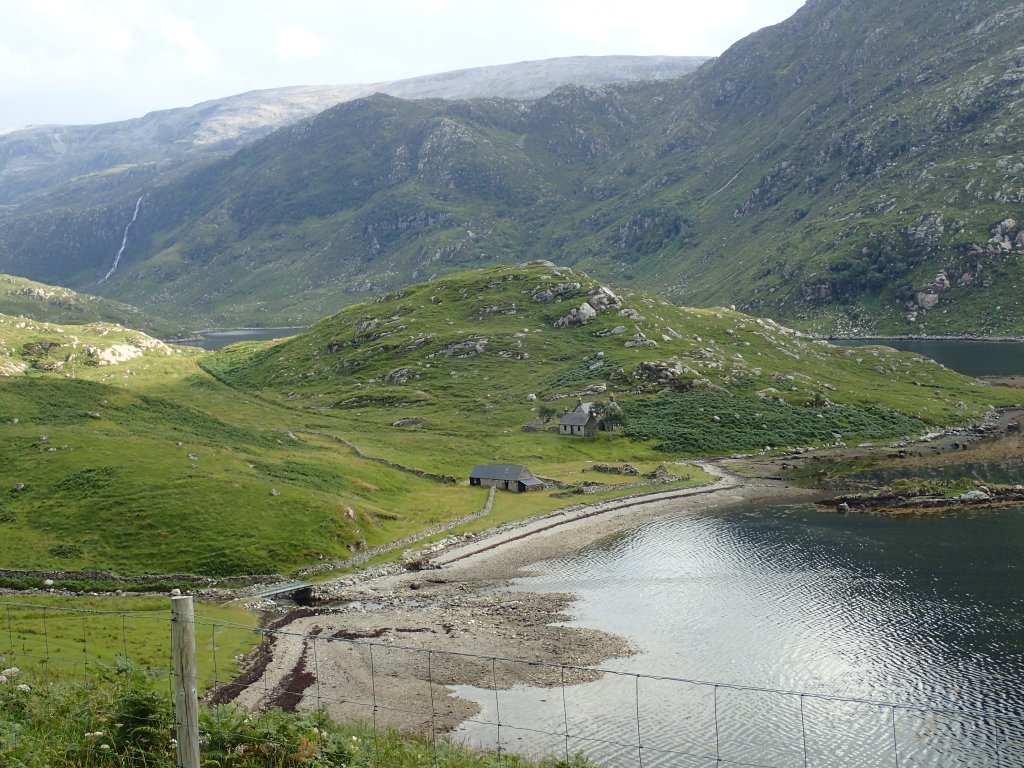
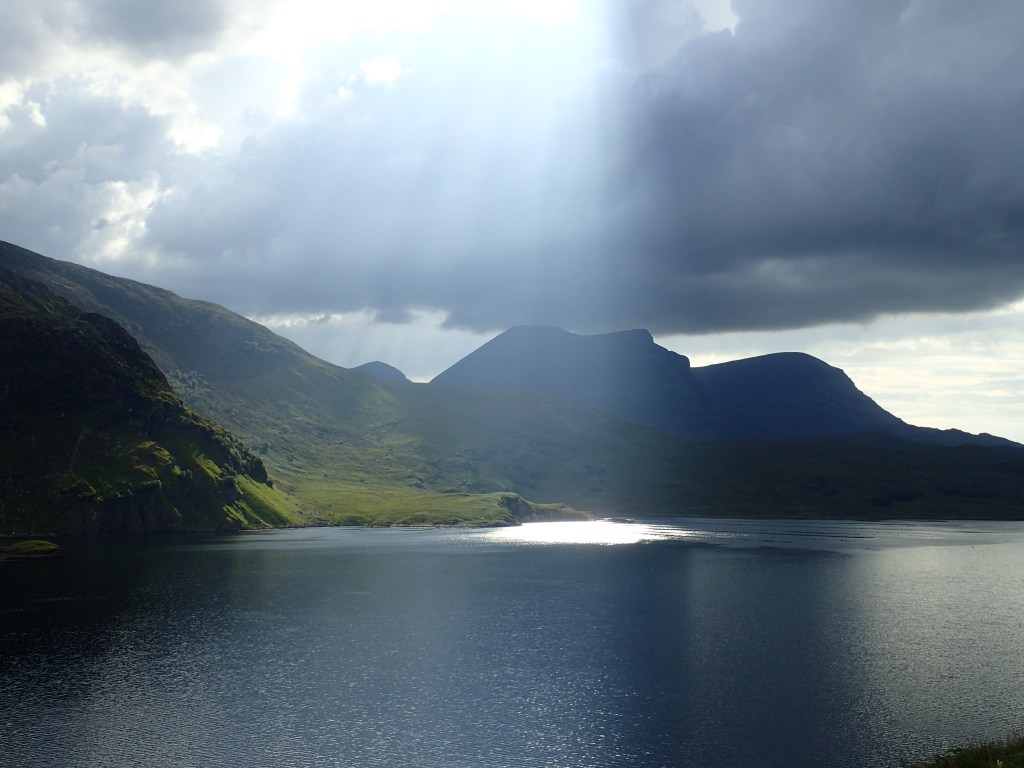
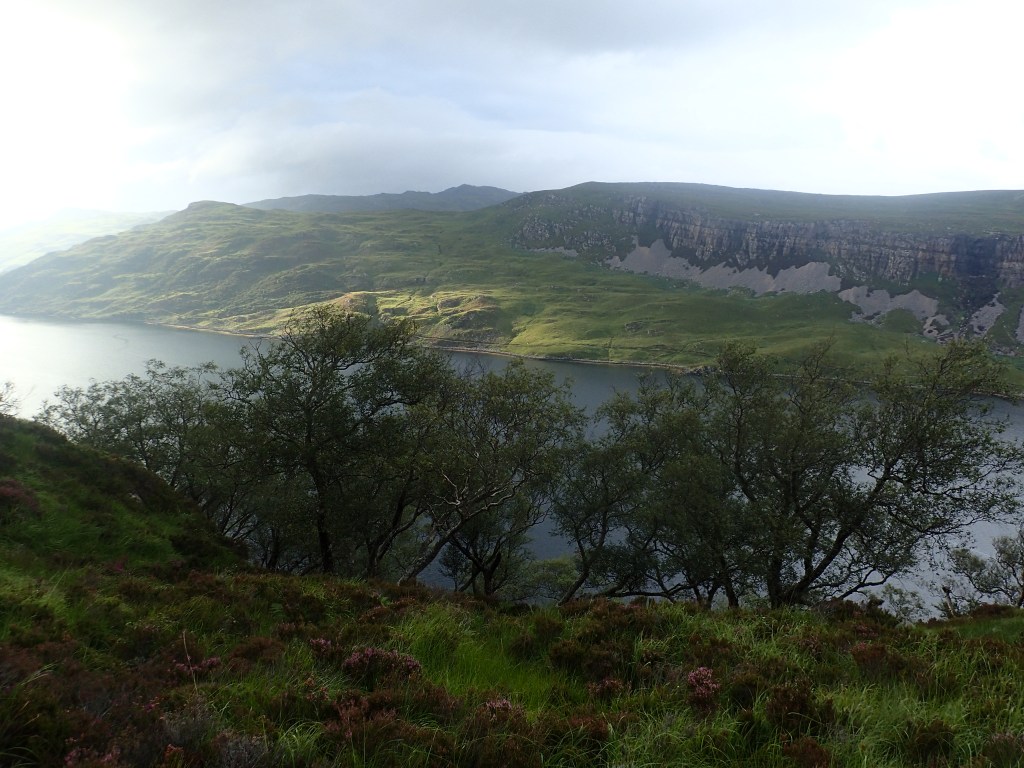
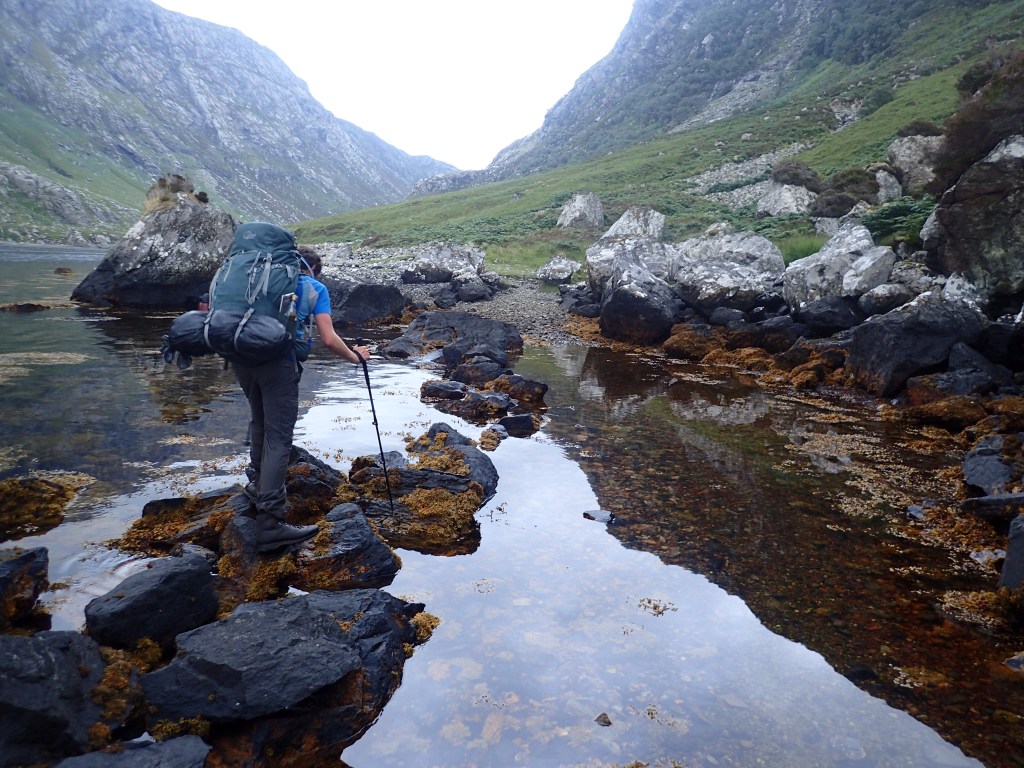
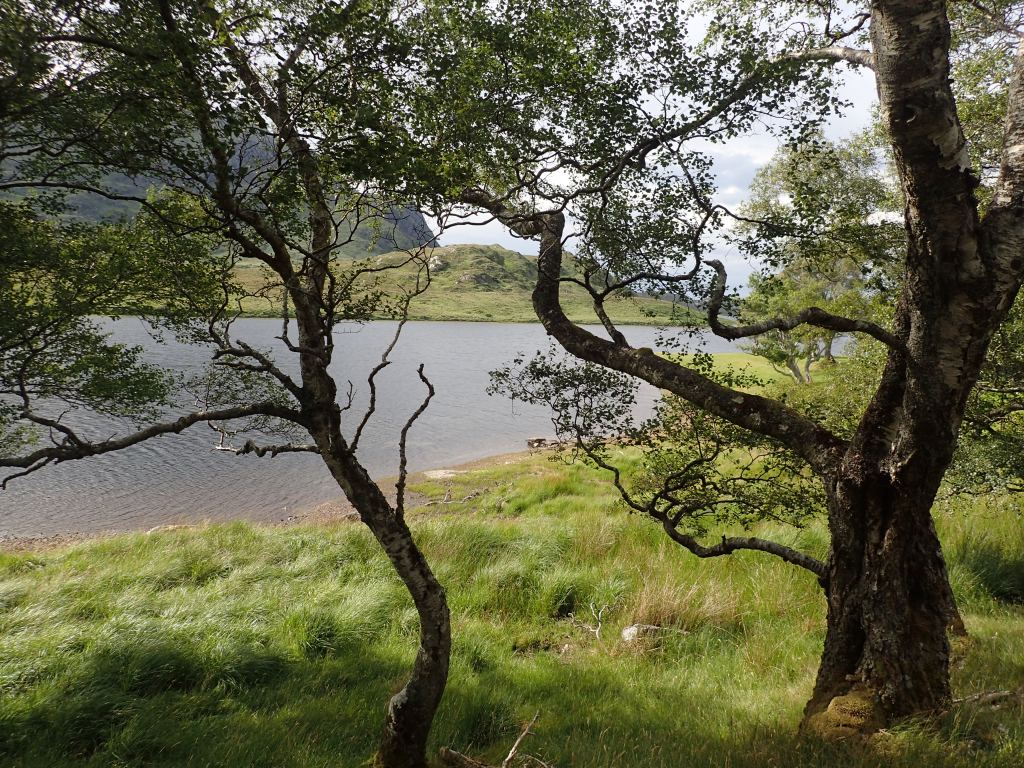
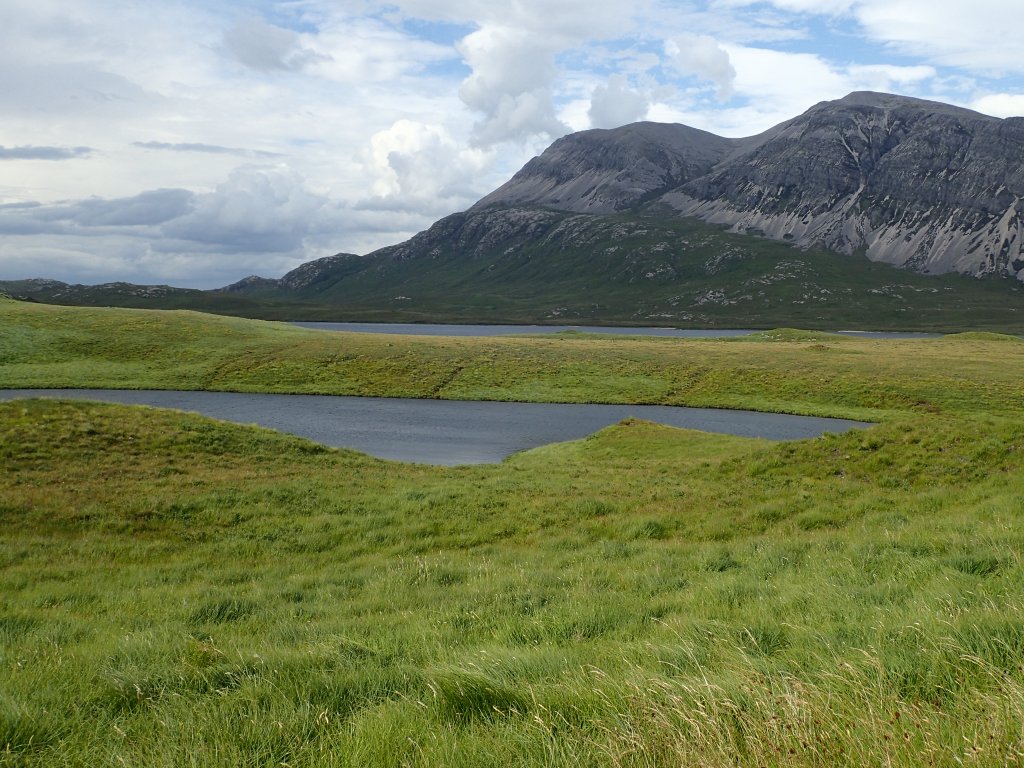
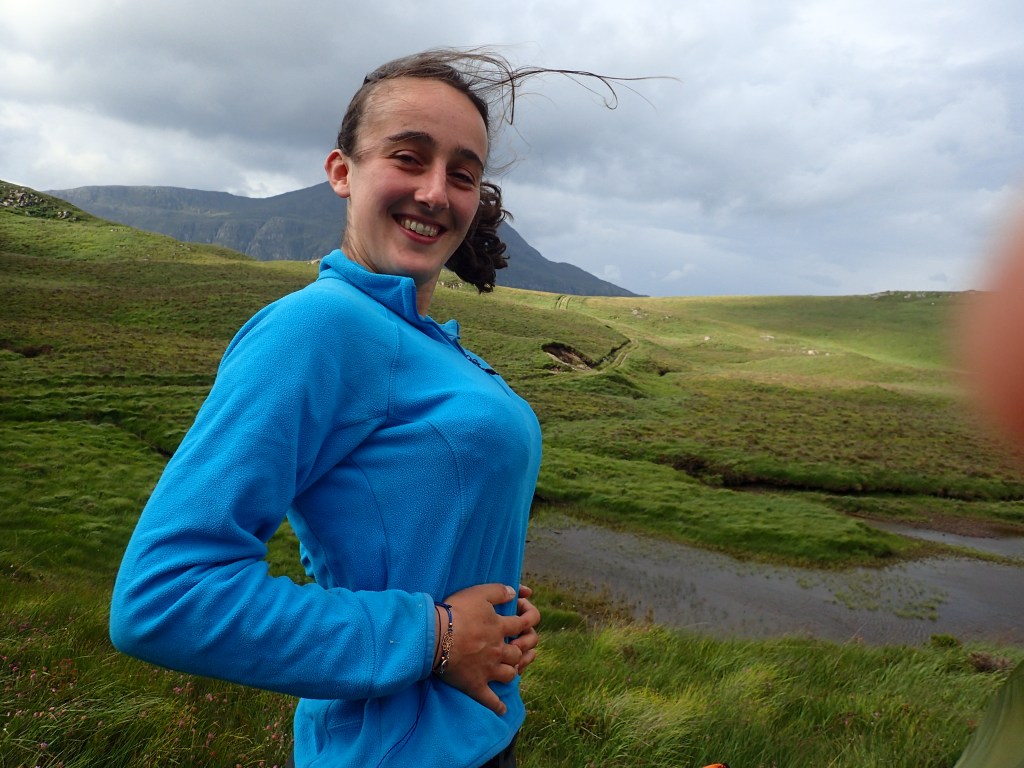
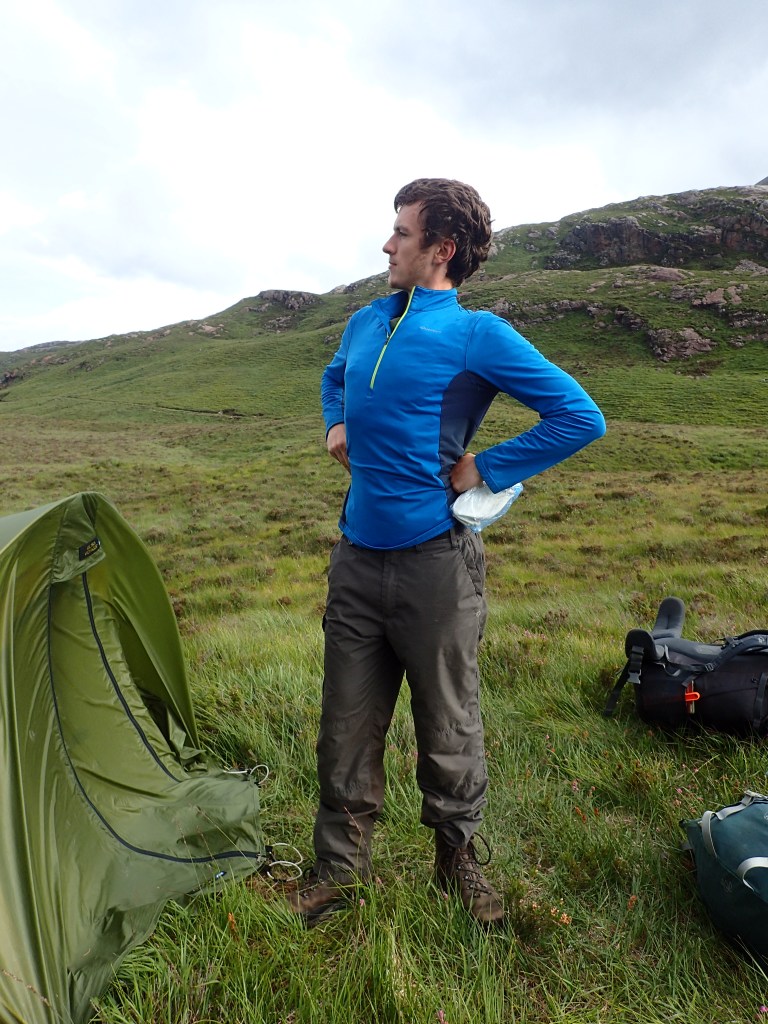
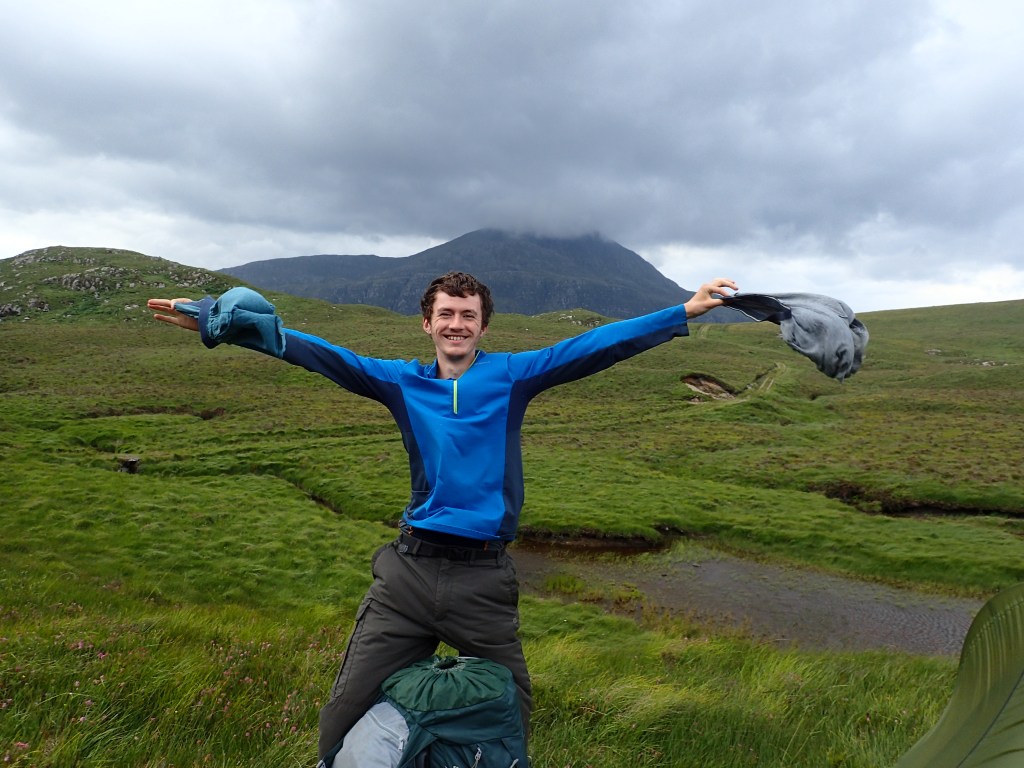
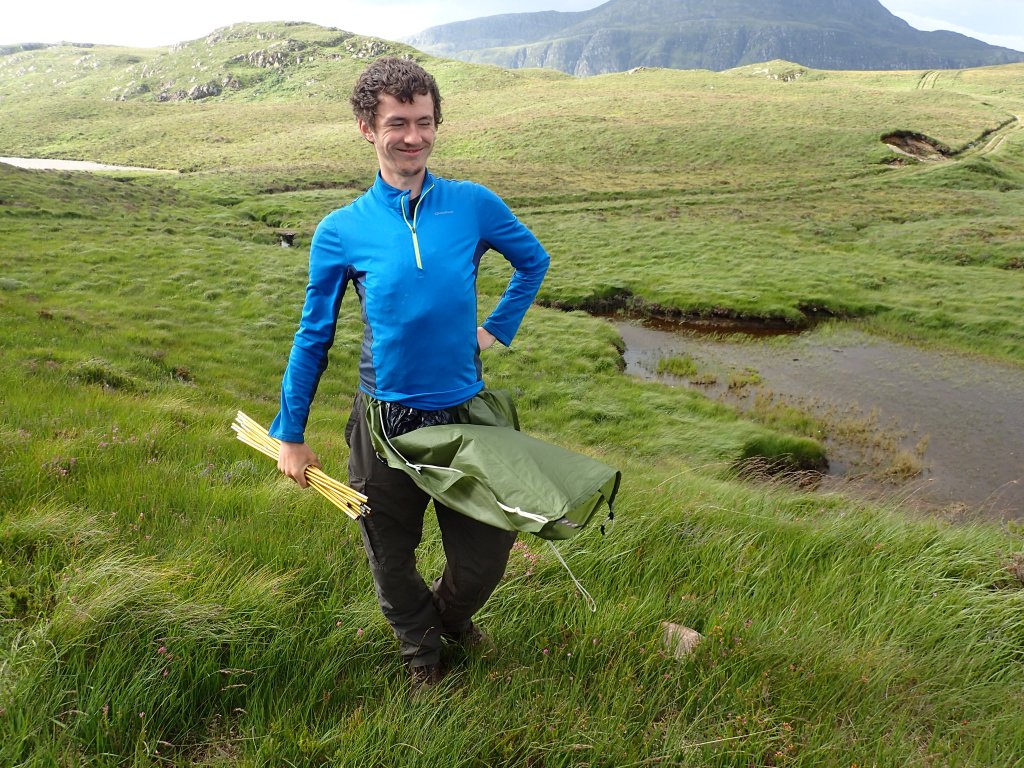
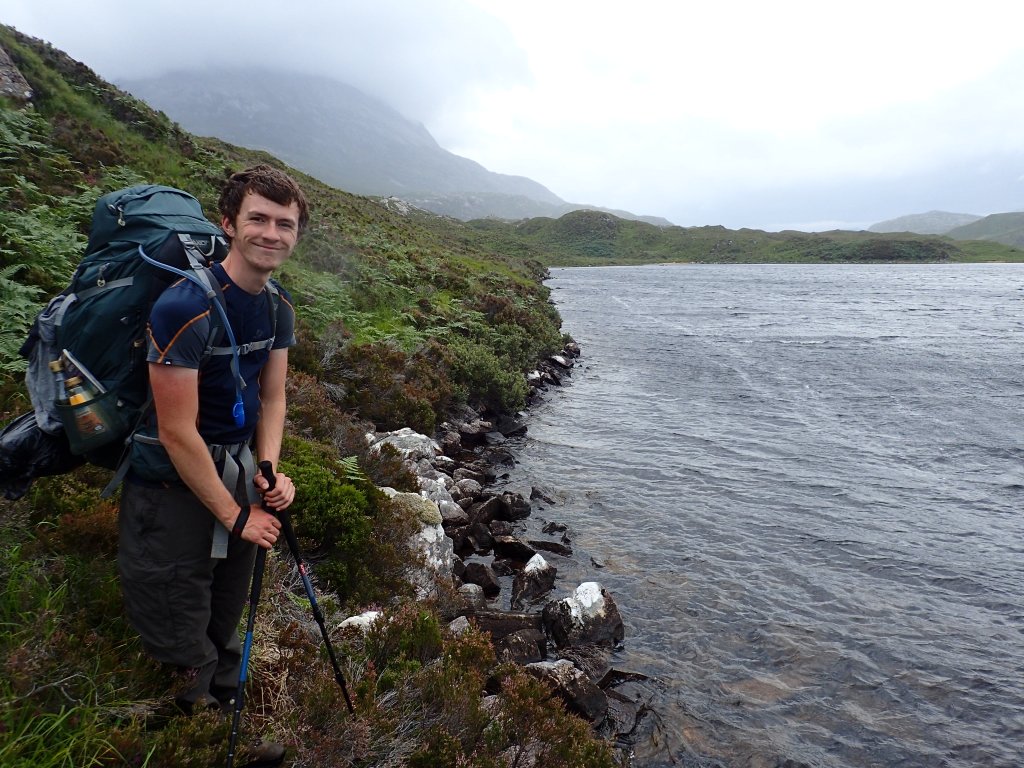
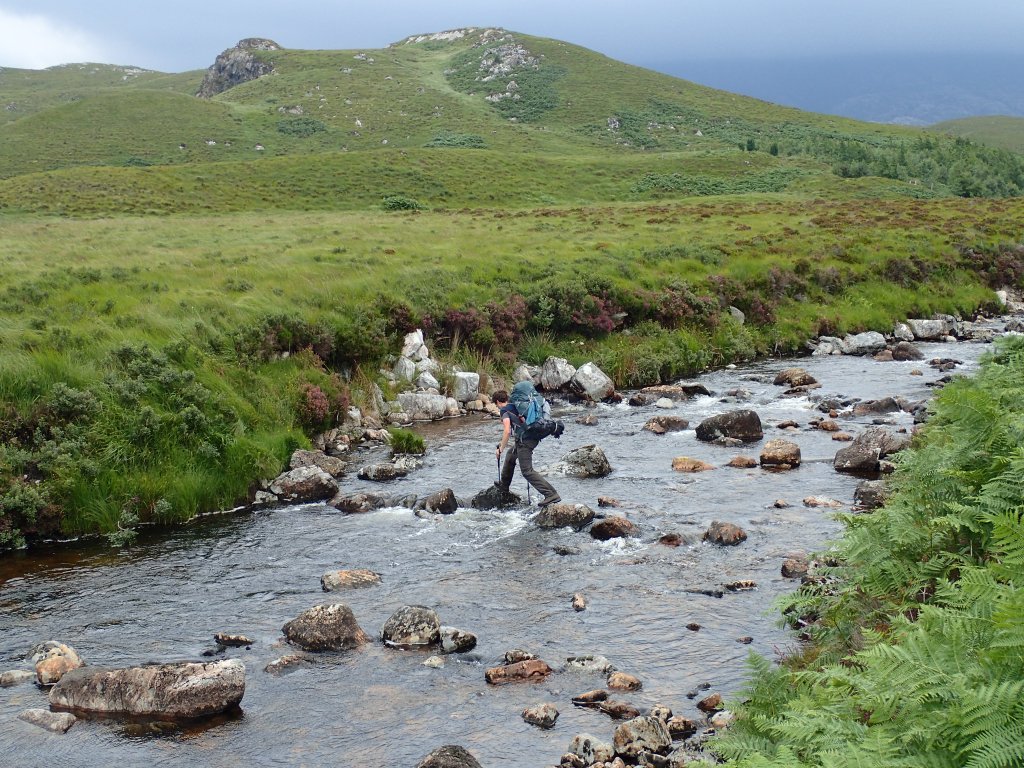
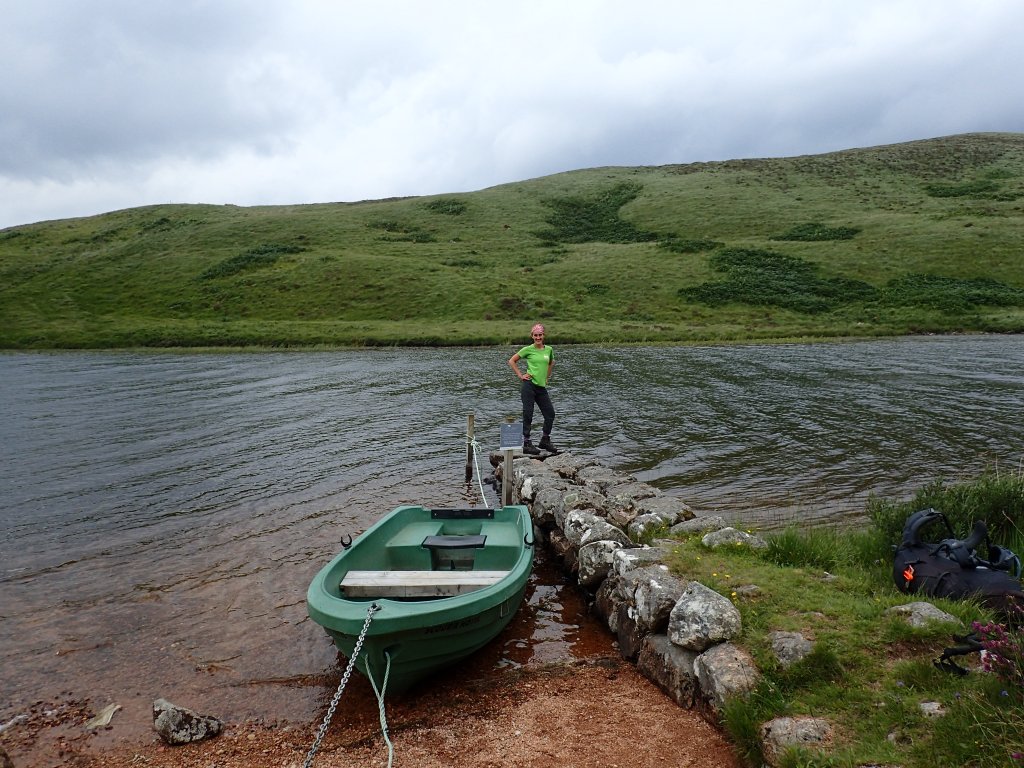
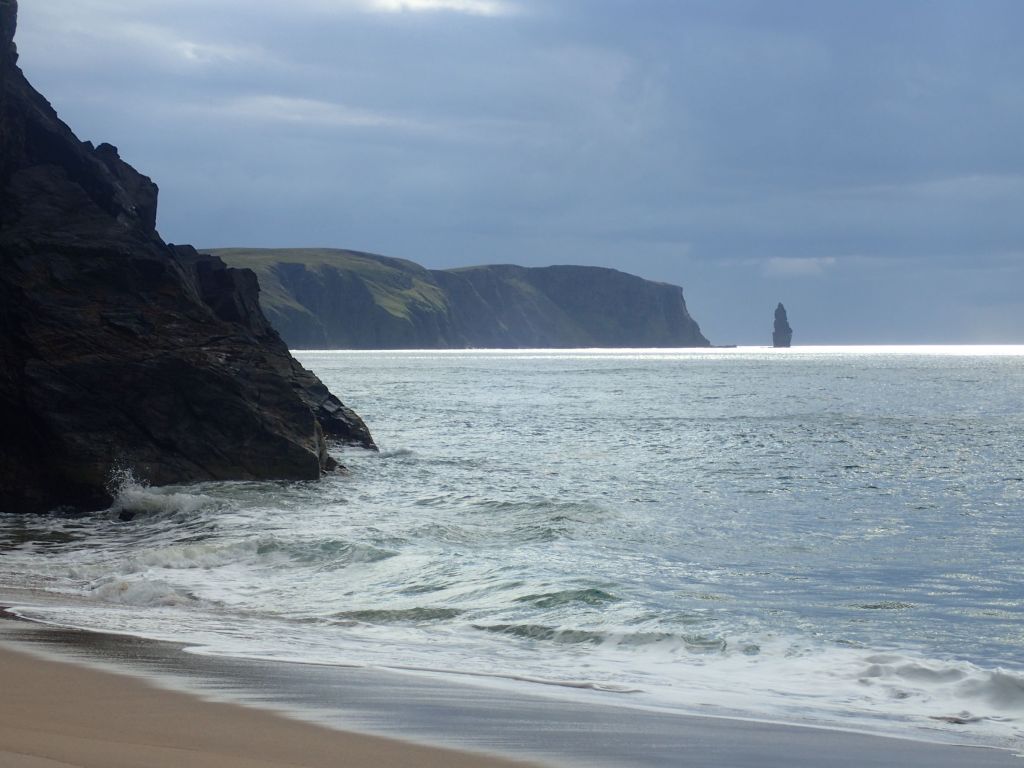
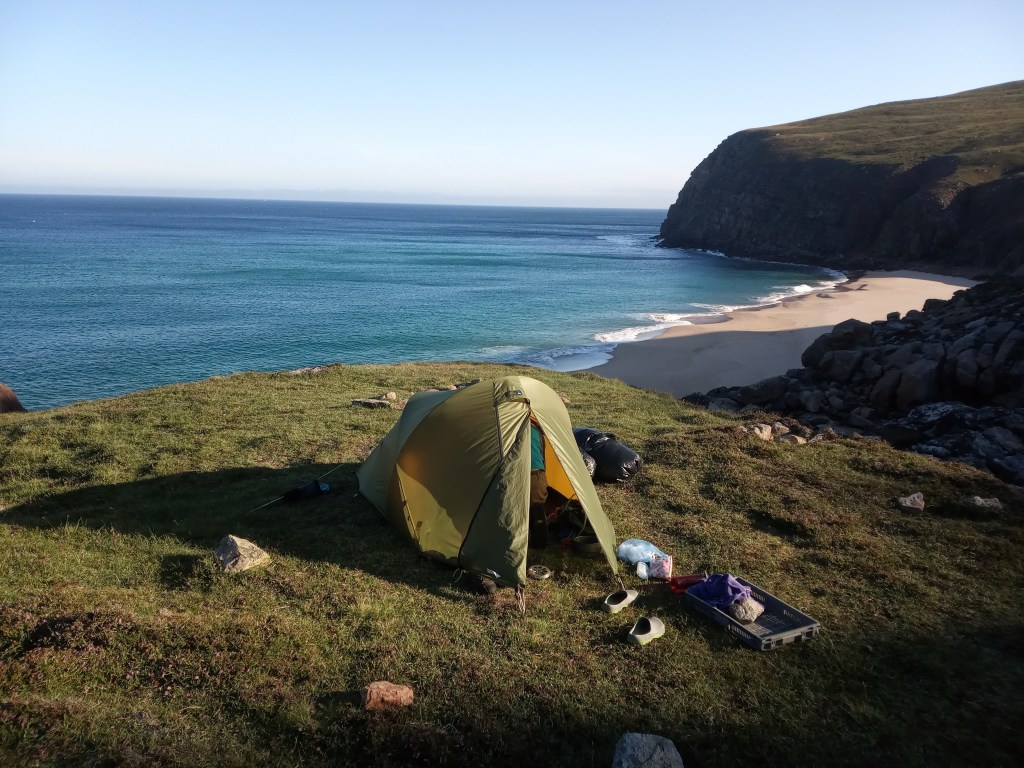
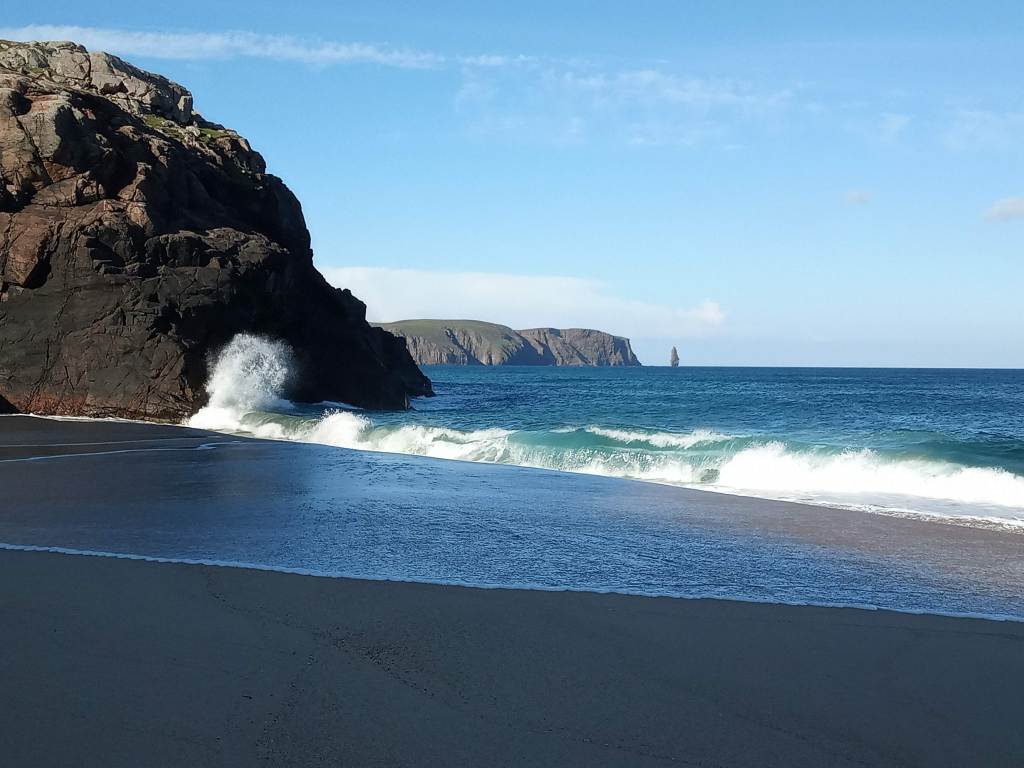
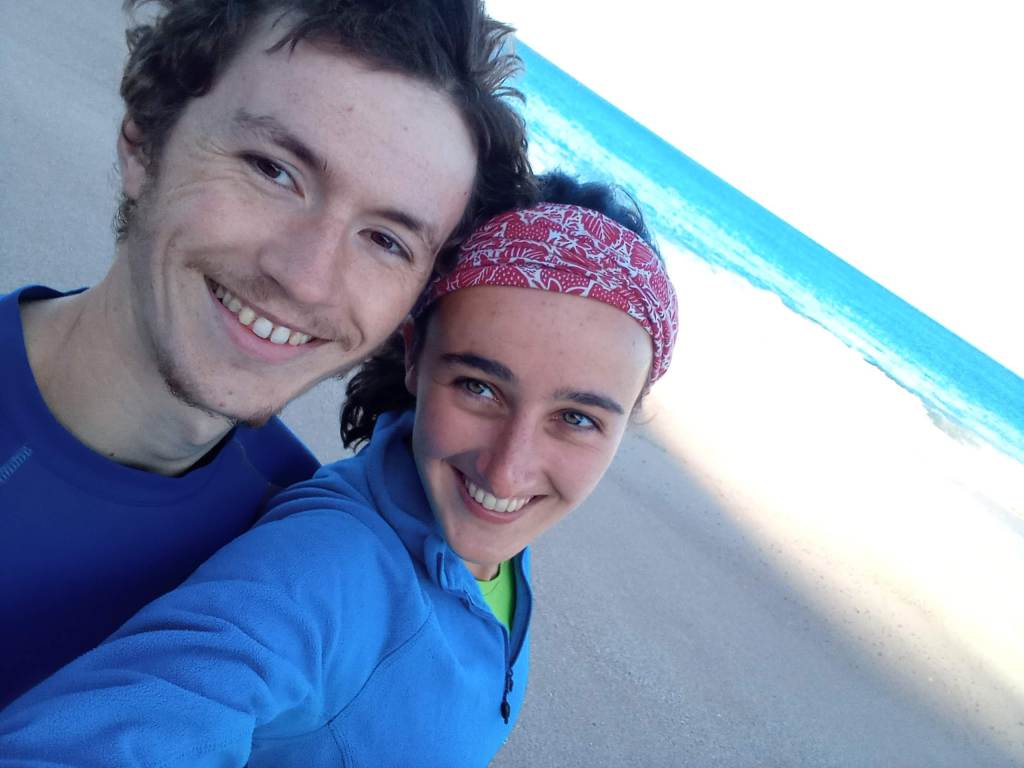
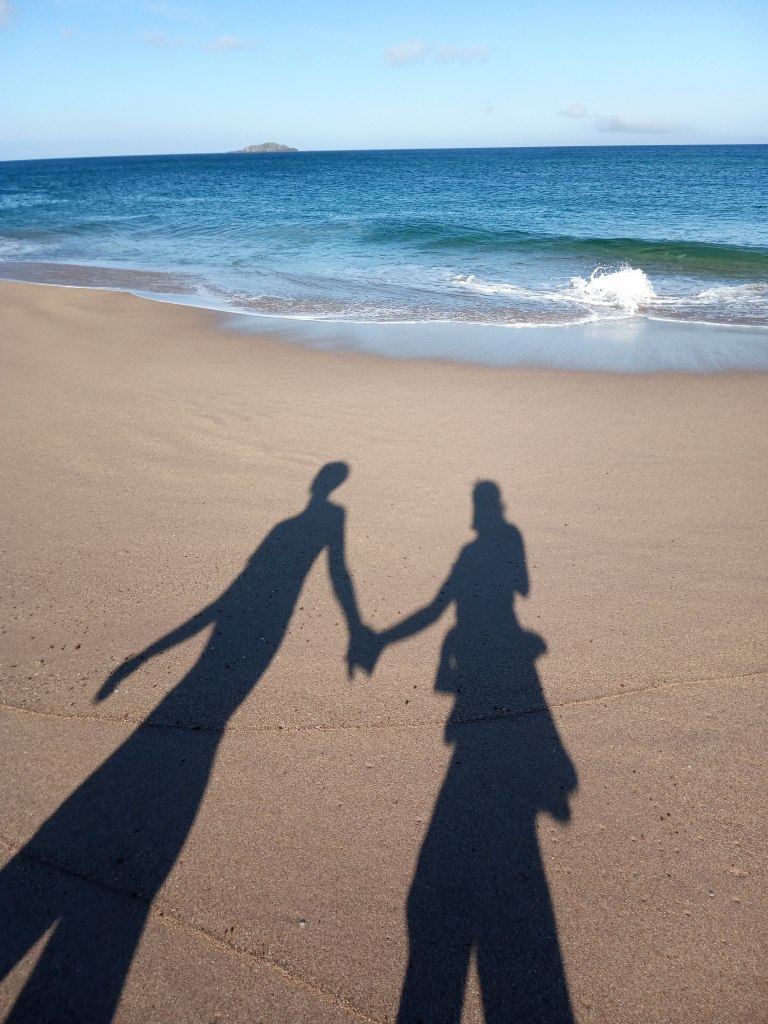
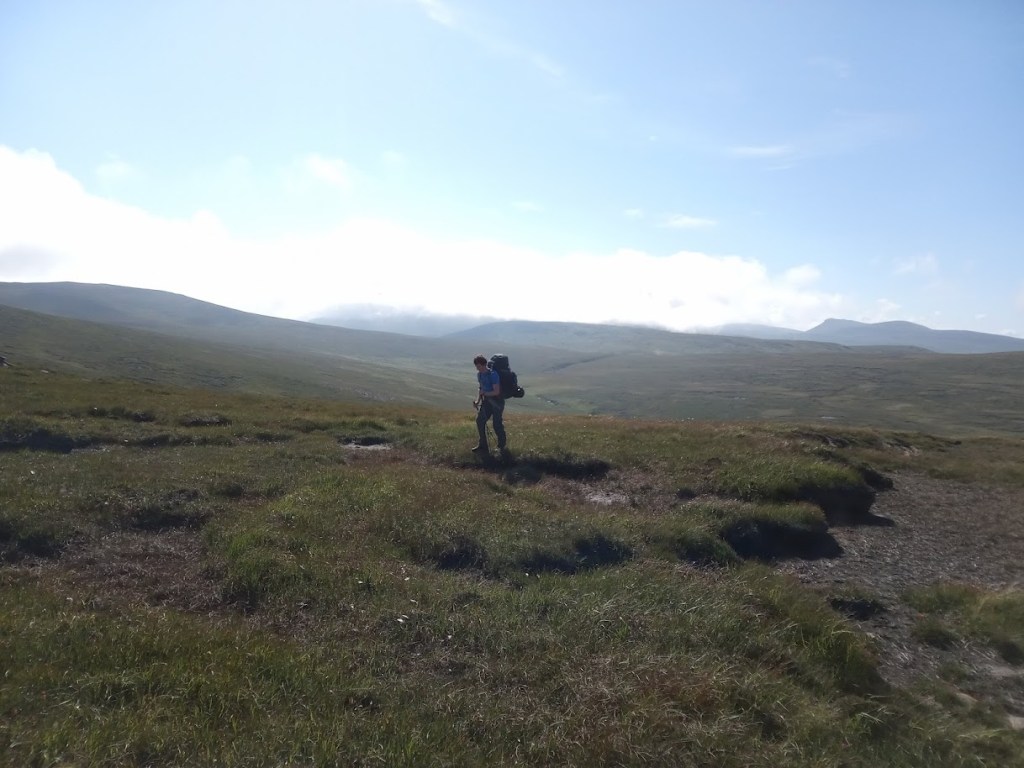
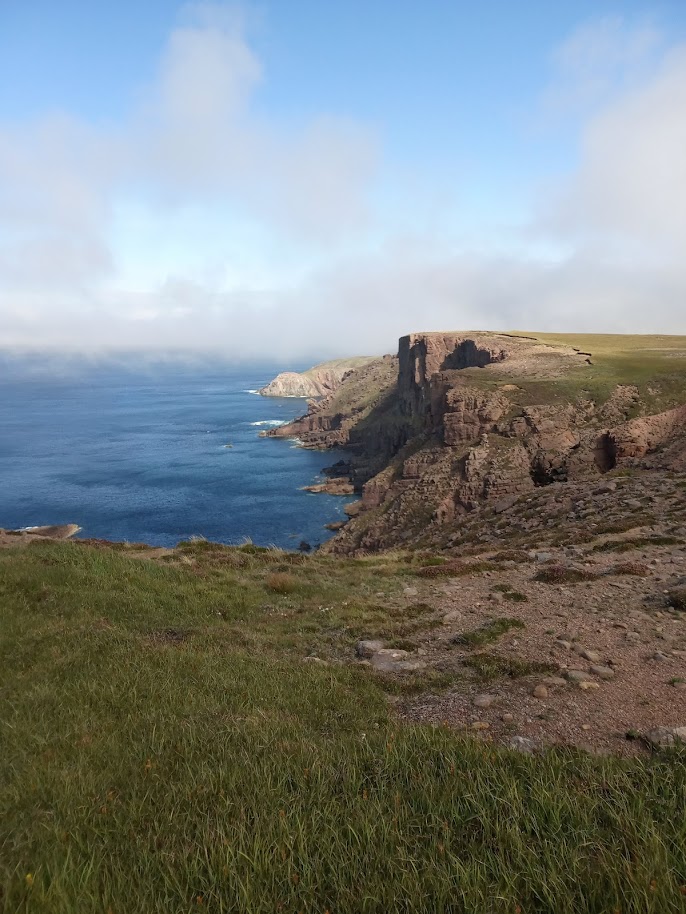
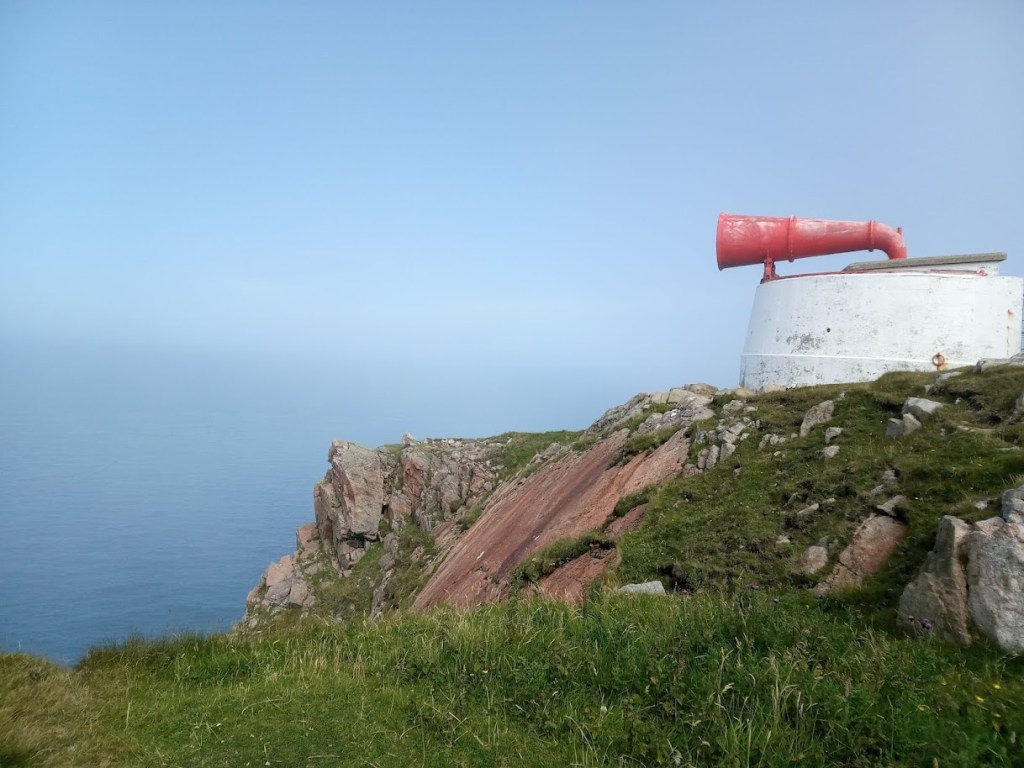
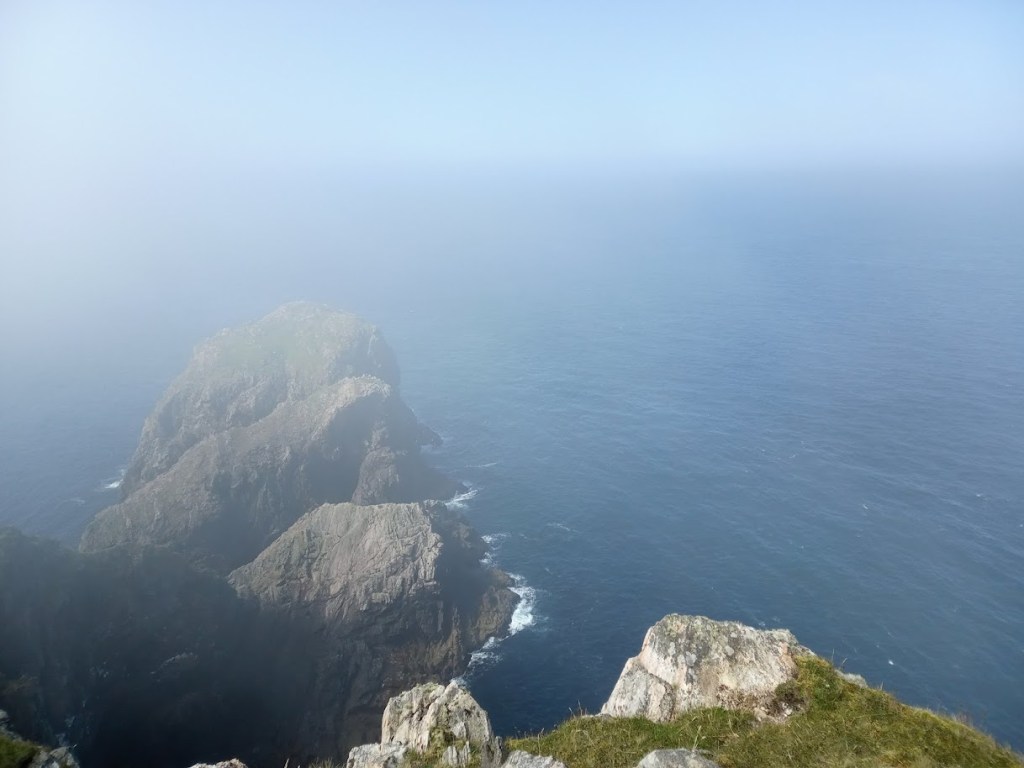
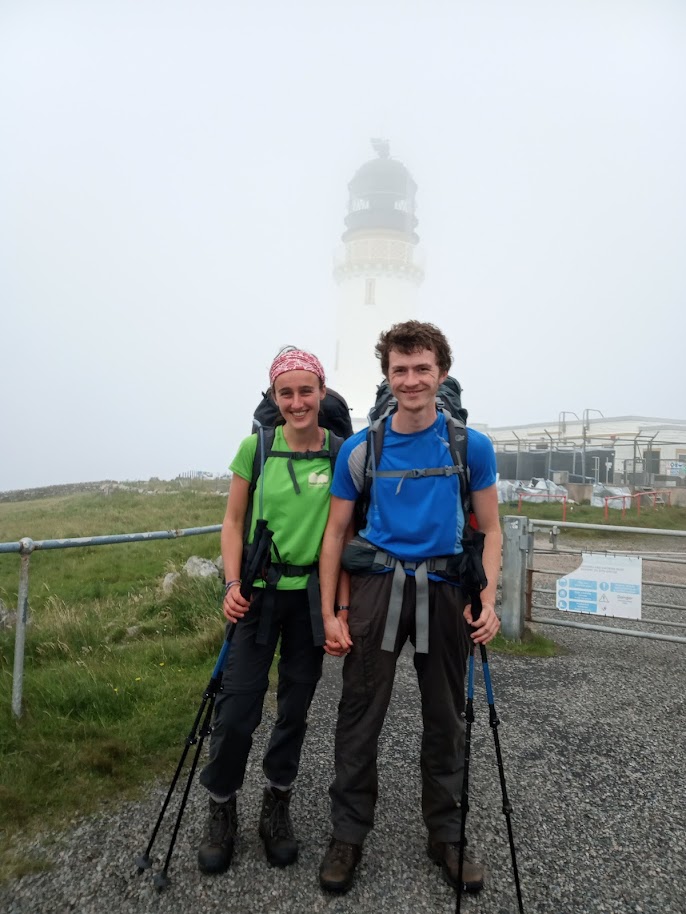
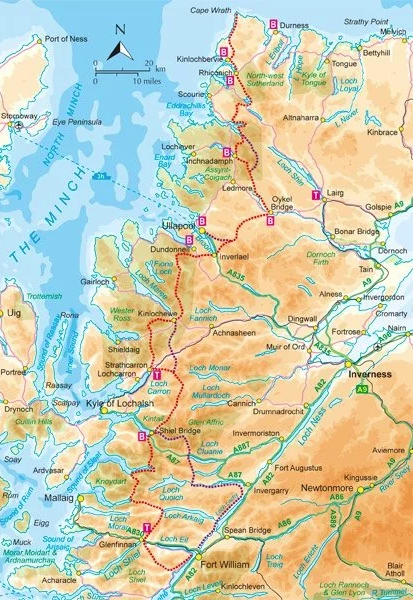
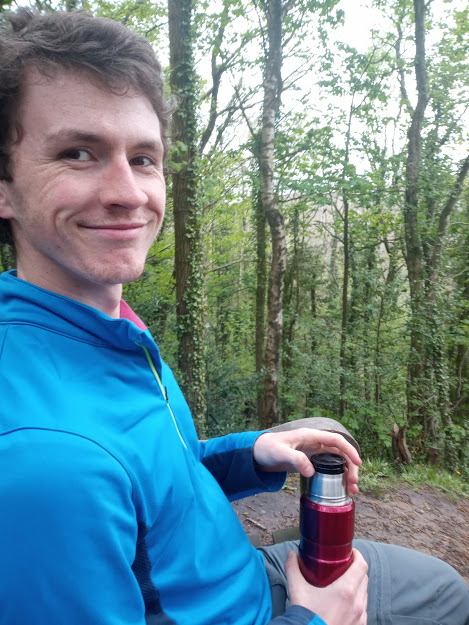
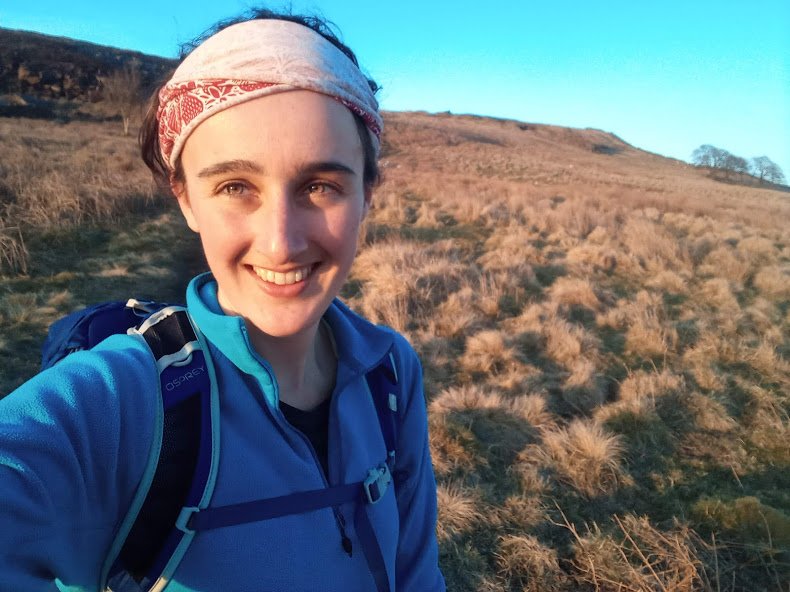
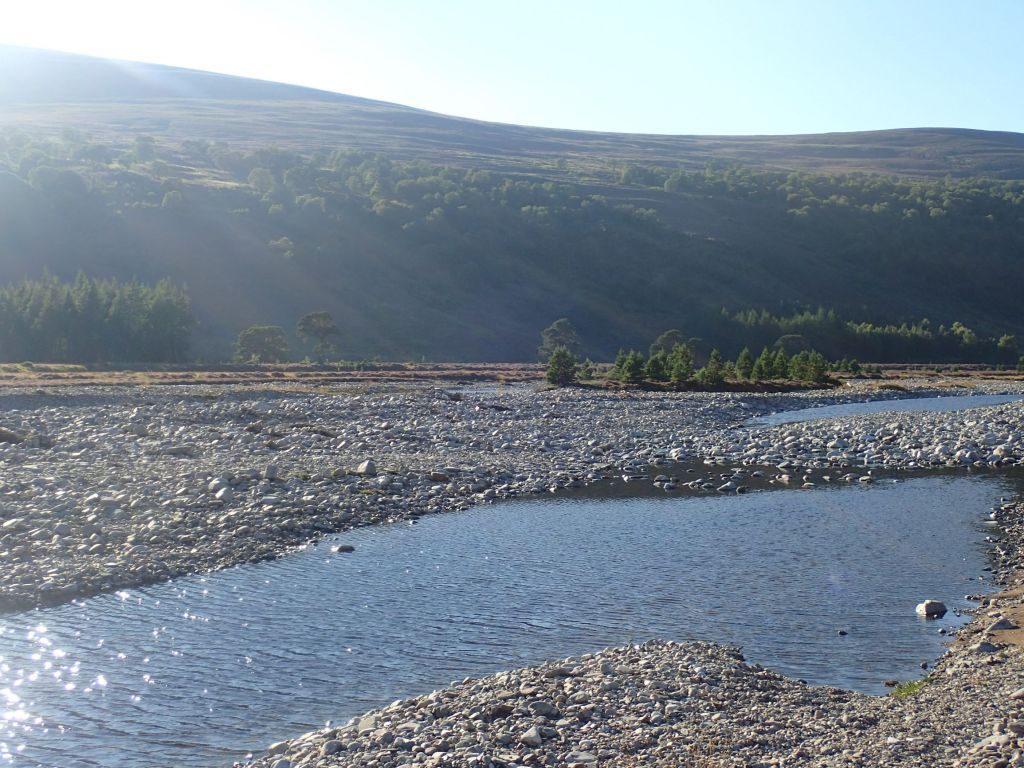
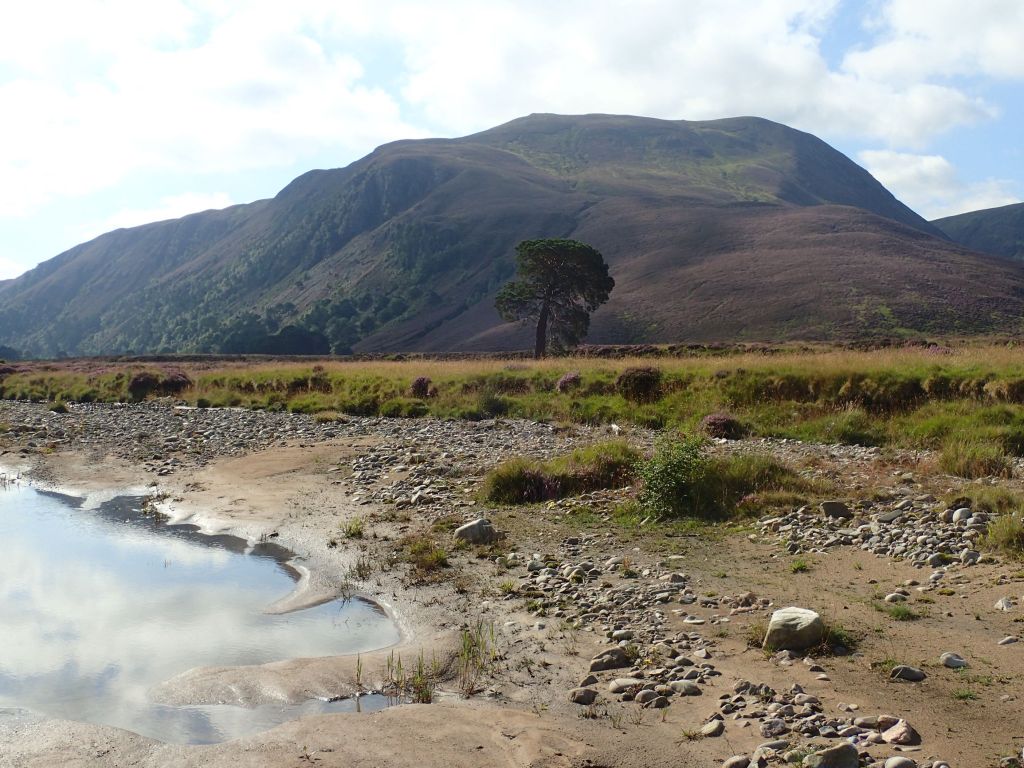
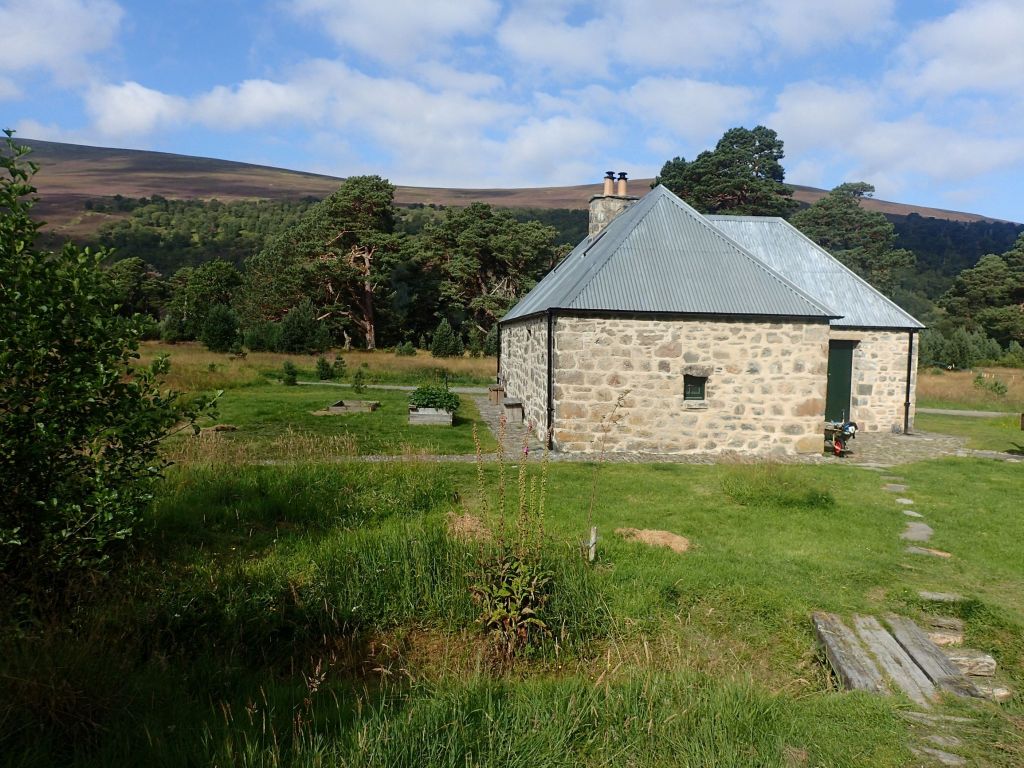
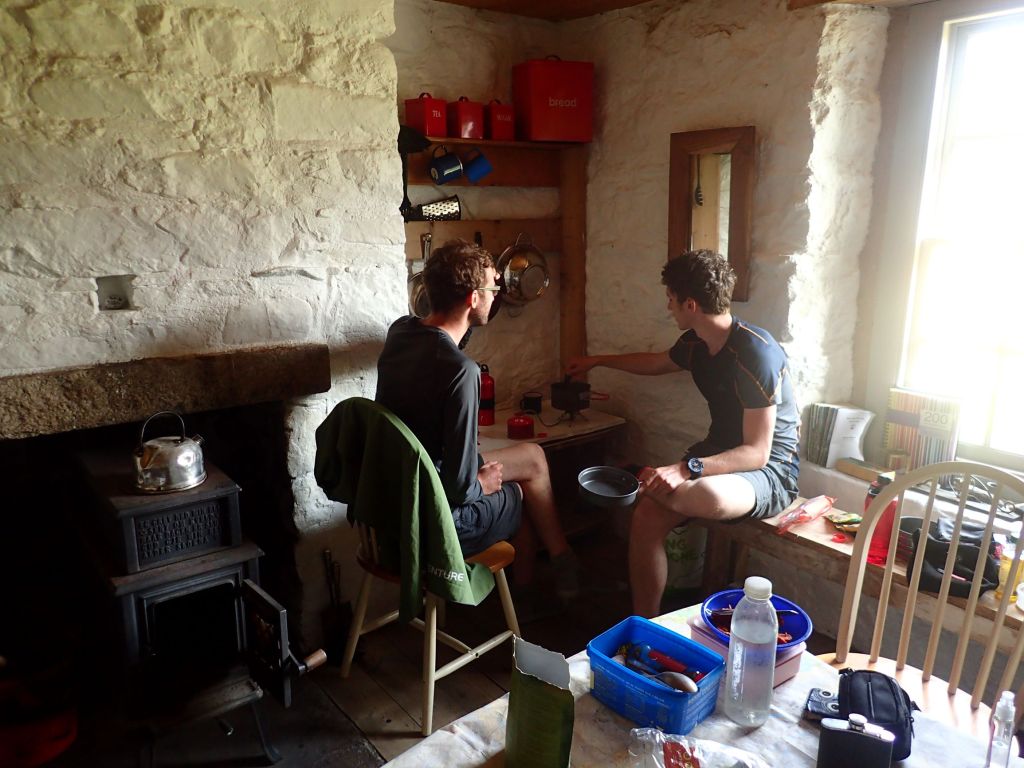
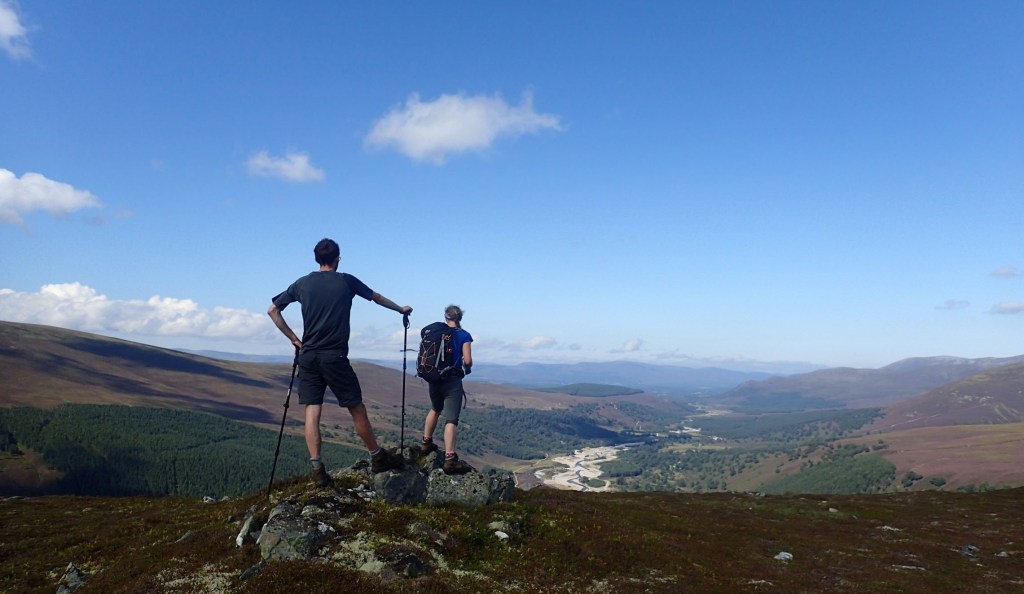
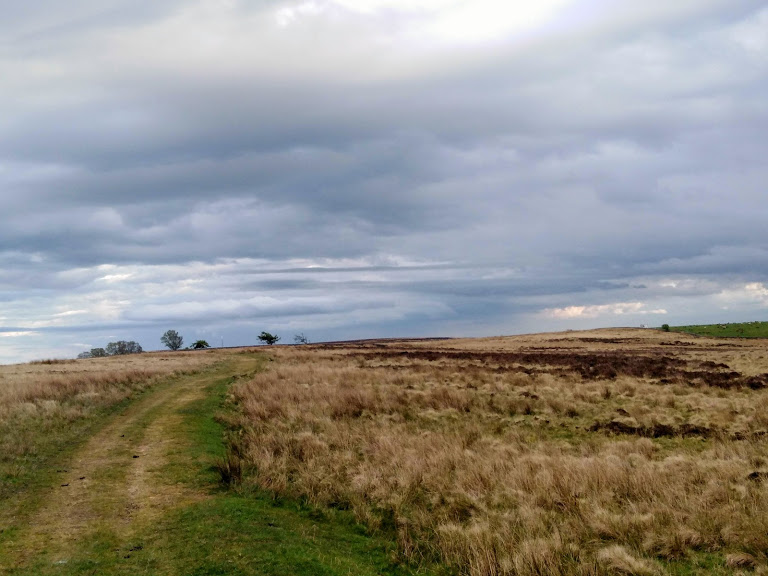
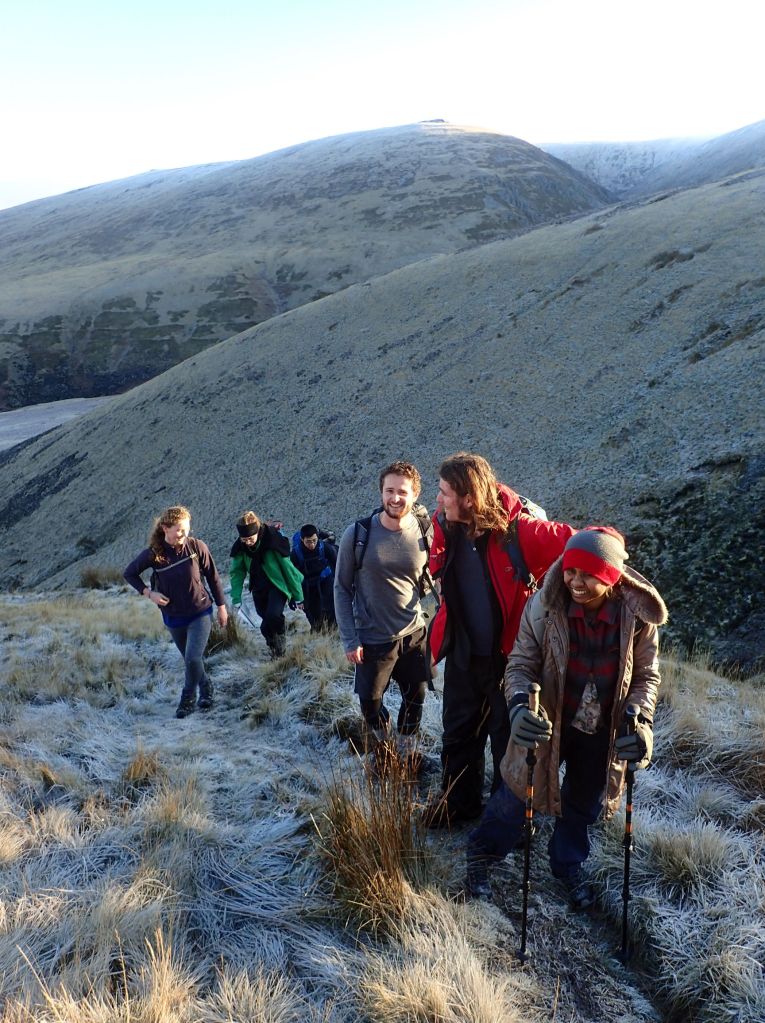
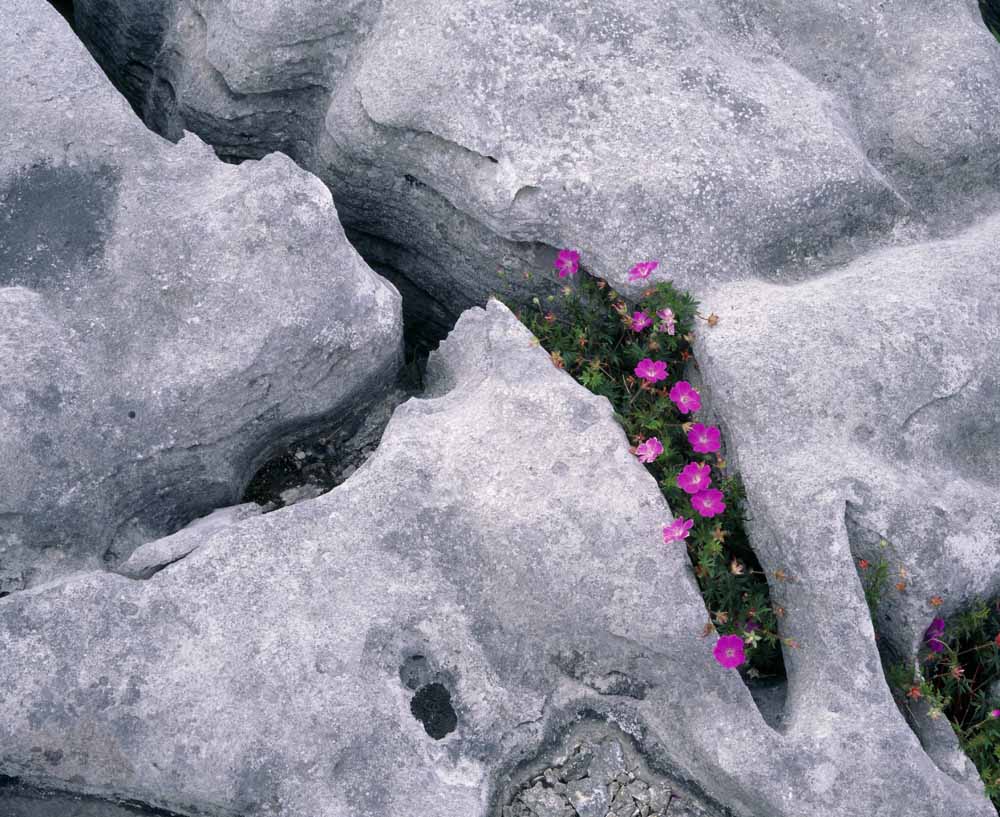
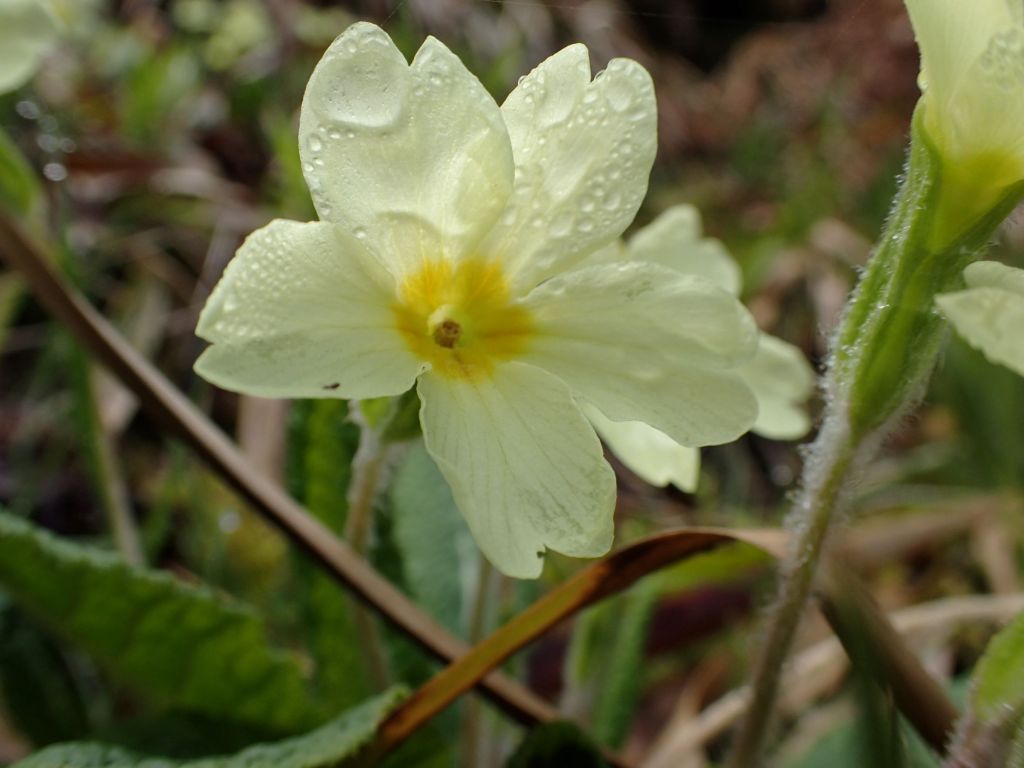
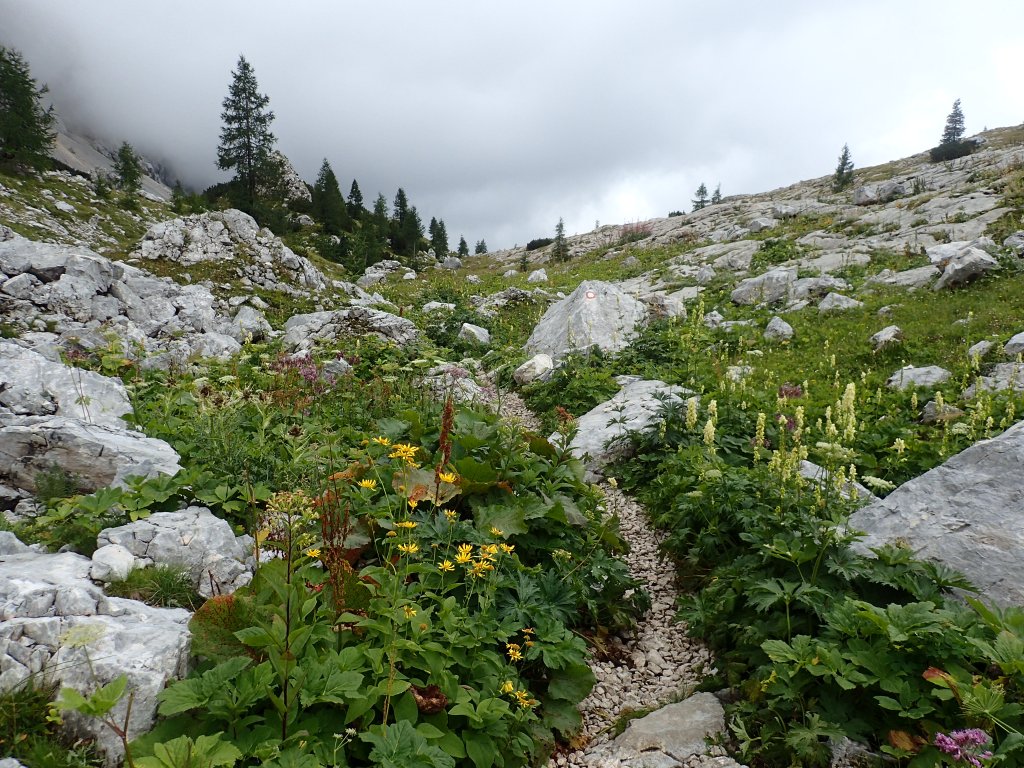
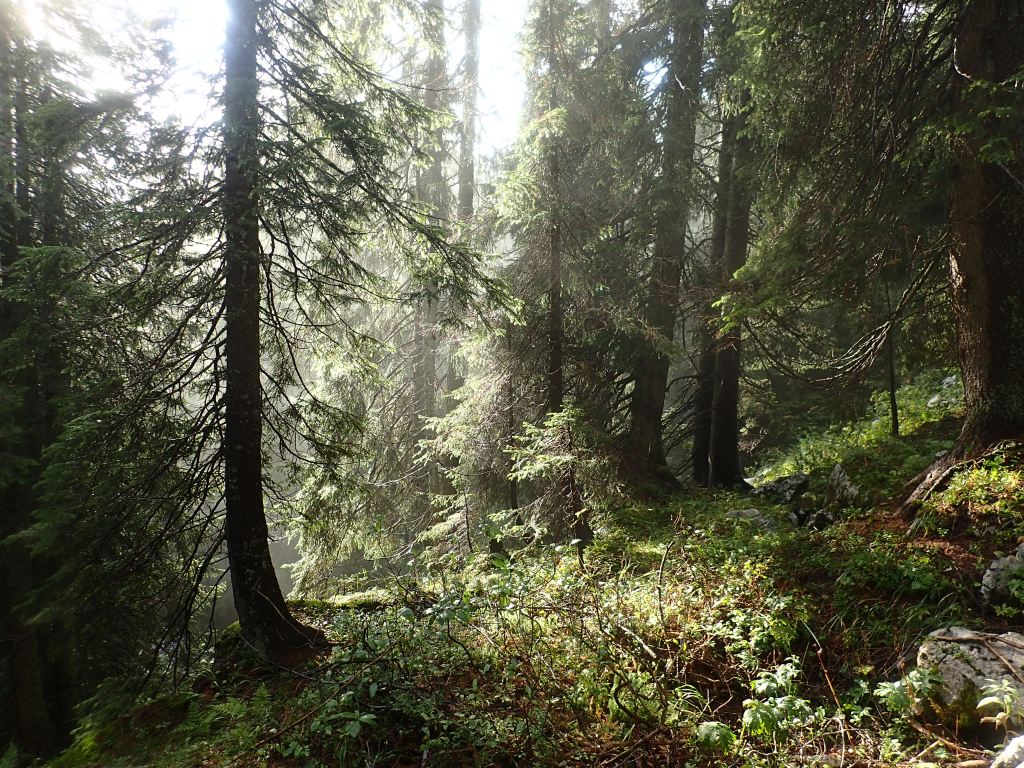
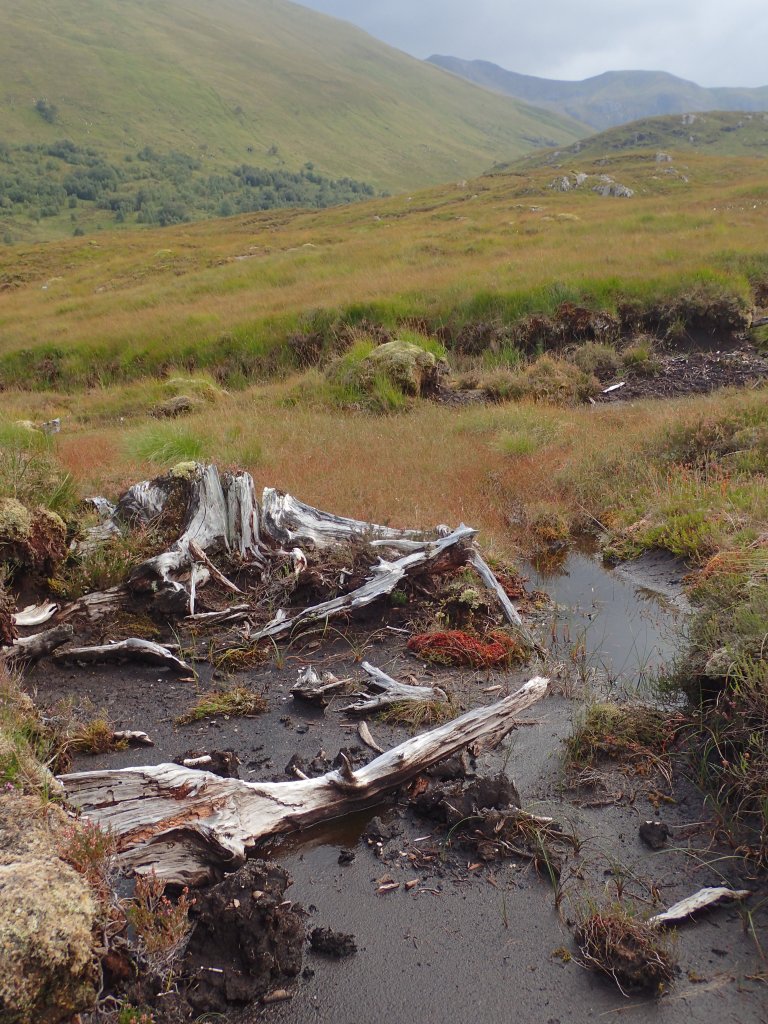
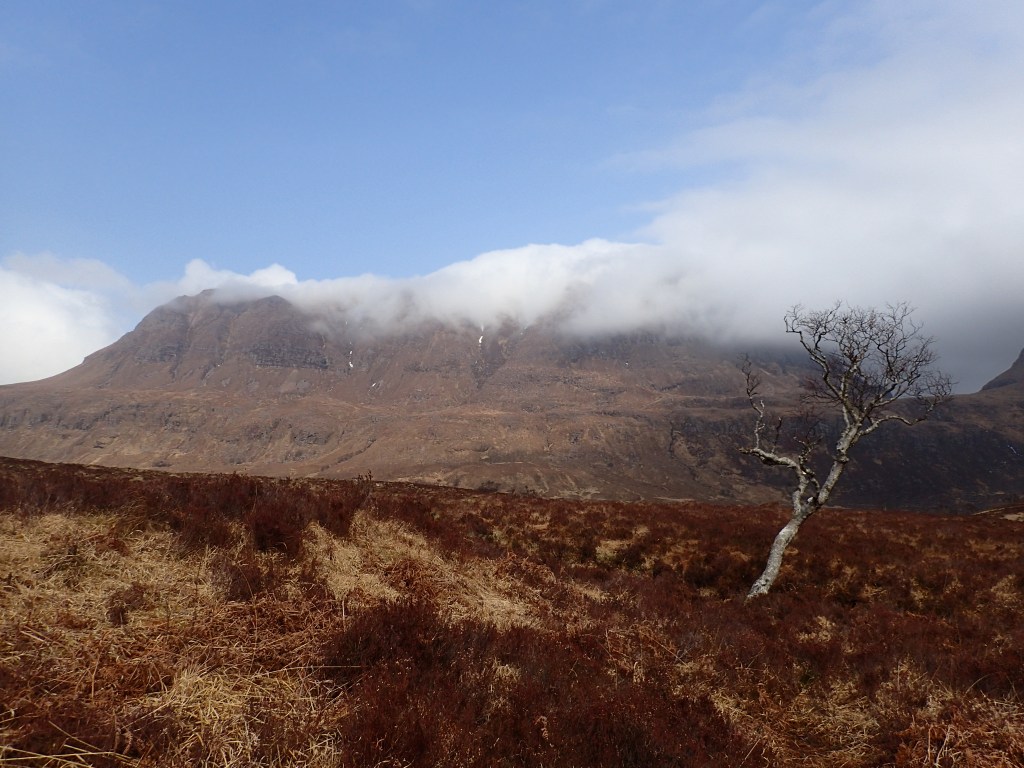
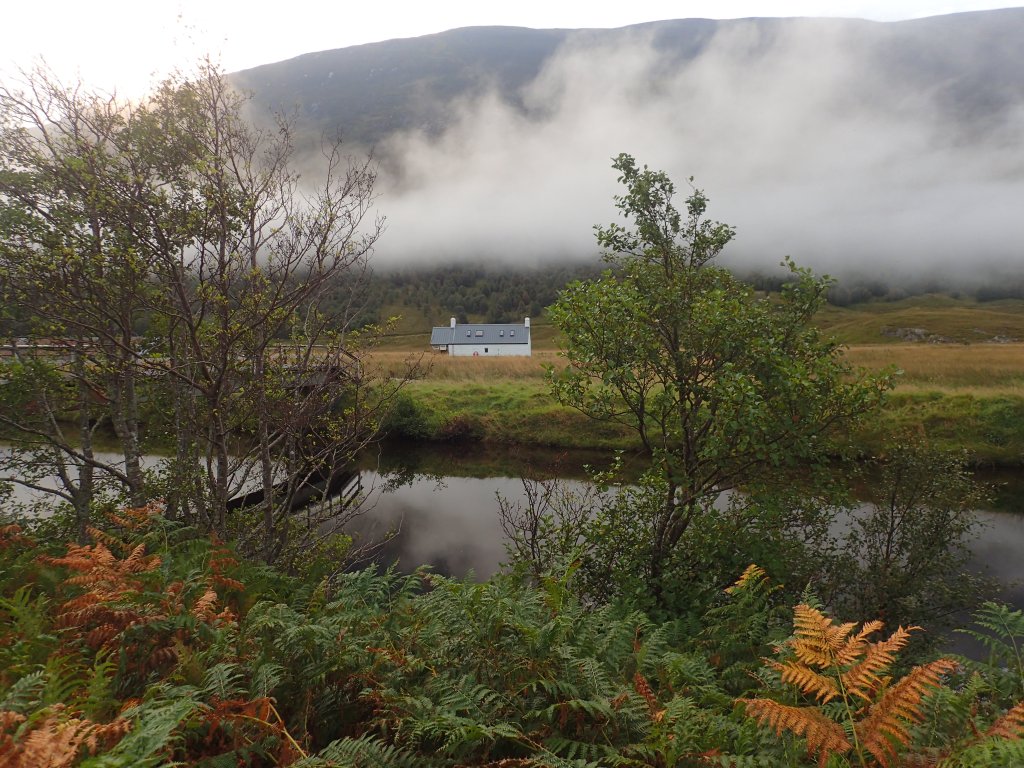
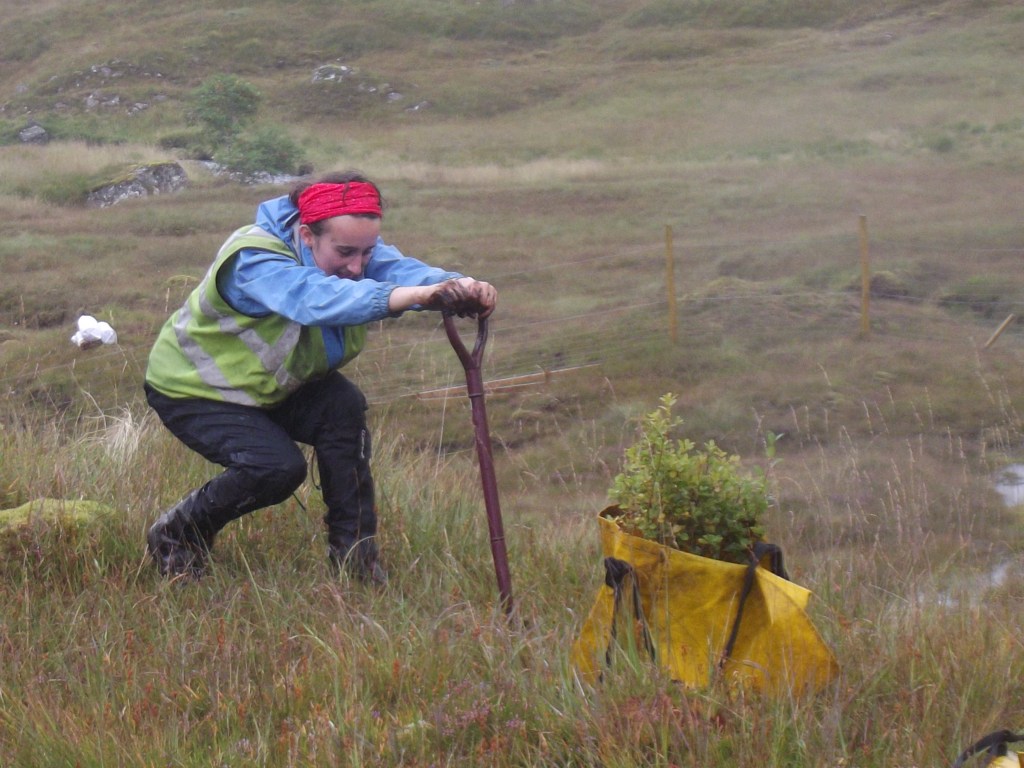
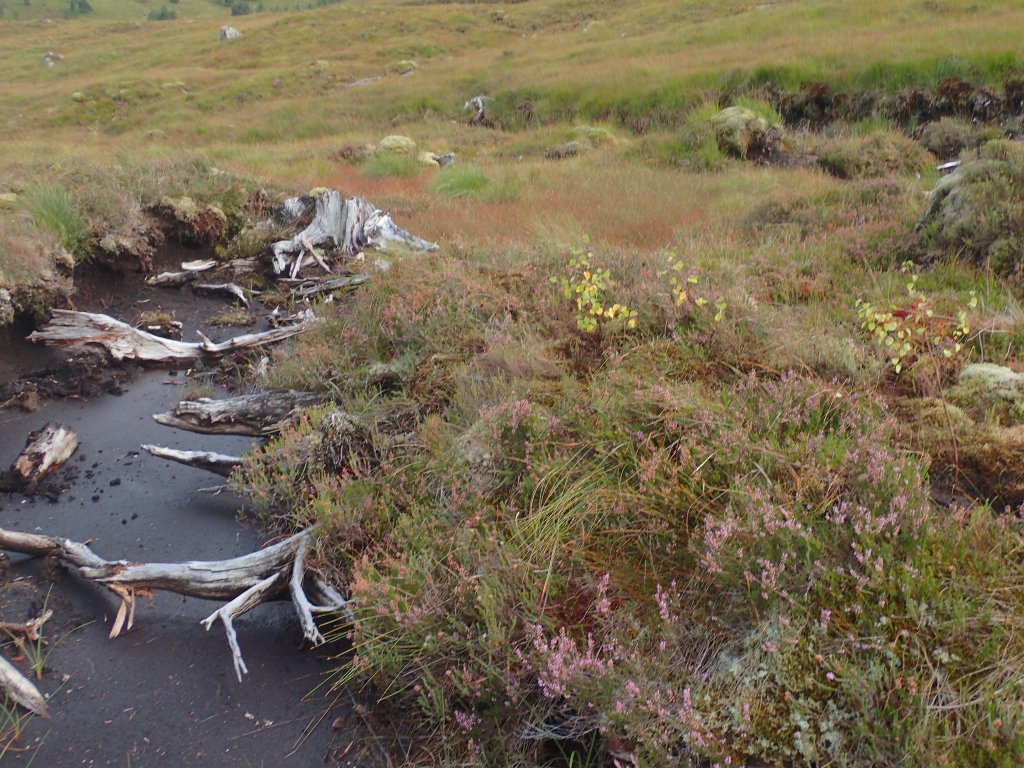
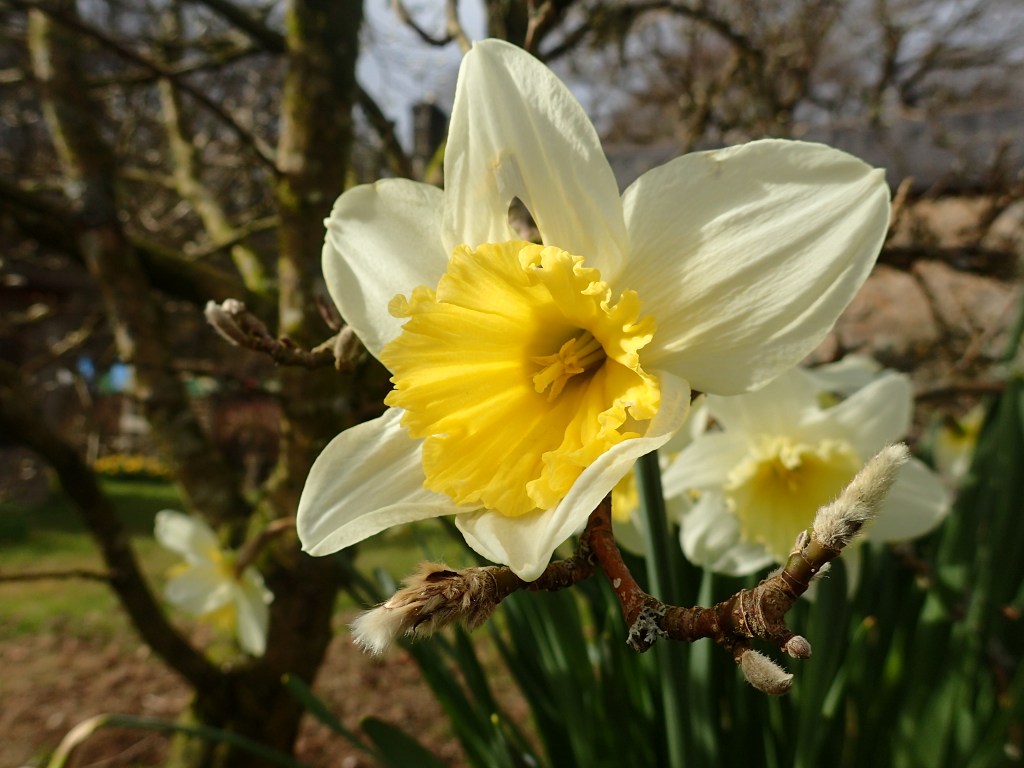
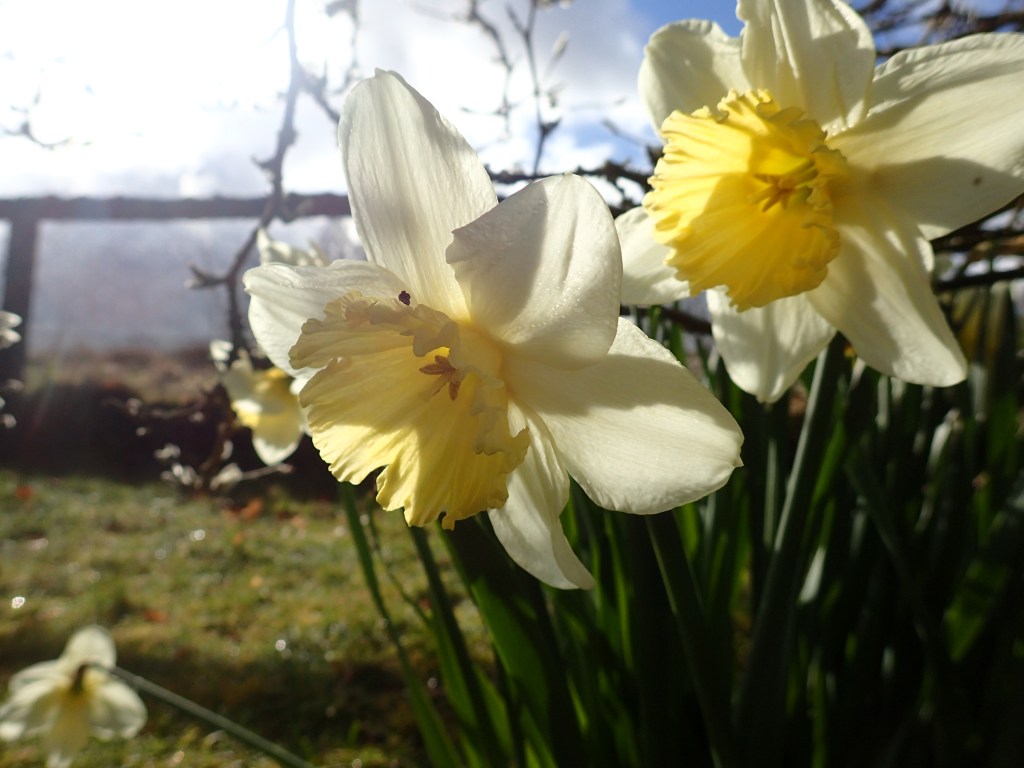
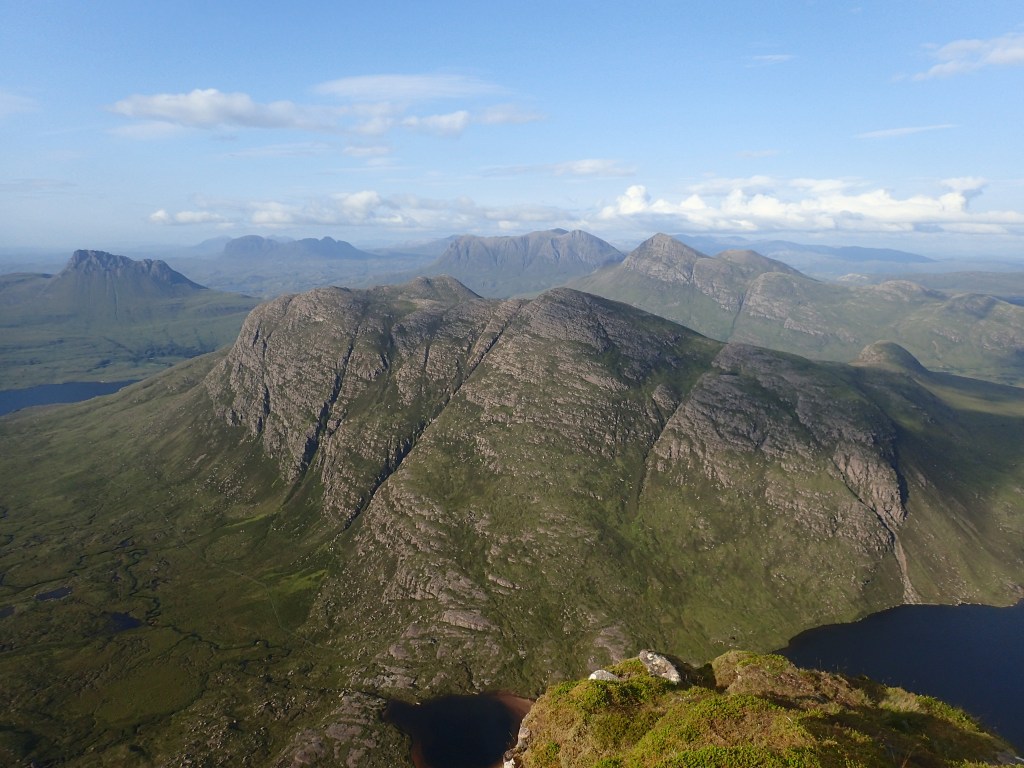
 Musings on Mountains